
Planting
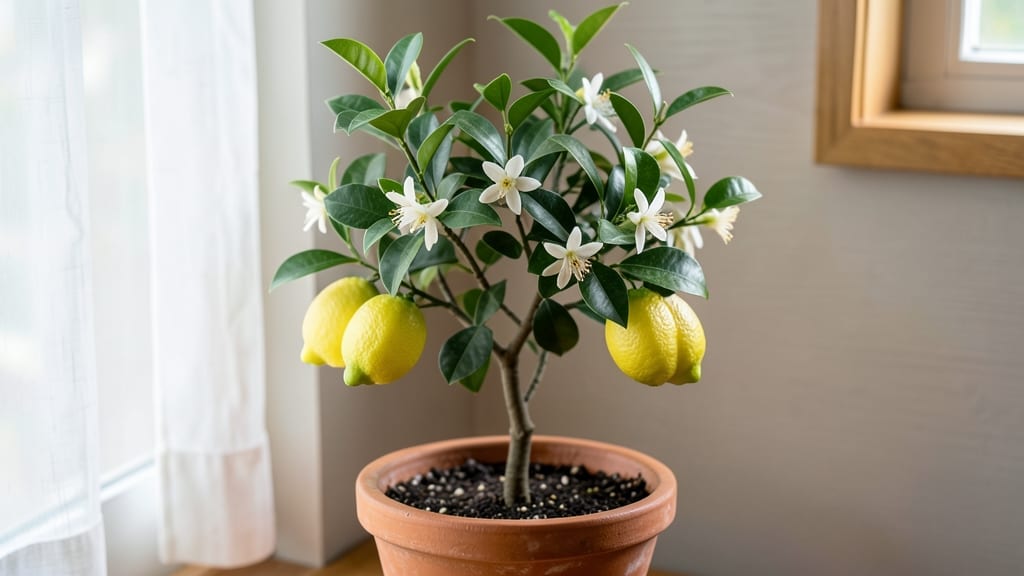
Growing a lemon plant indoors means zesty harvests even in winter. 🌱 I’ve watched my Meyer lemon tree produce fruit for three straight winters—no greenhouse needed. The secret isn’t luck, but mastering light, pruning, and patience to coax those fragrant blossoms into lemons.
You’ll need a dwarf variety (like Meyer) in a pot with drainage, bright light (south window or grow lights), and occasional pruning to encourage bushiness. Overwatering kills these plants faster than poor light, so let the top inch dry before watering again.
Humidity helps too—mist leaves or place the pot on a tray of pebbles and water.
By summer, you’ll see tiny white flowers, and with luck, lemons by fall. The first fruit might be small, but each year’s harvest gets sweeter. Even my black thumb can’t kill these with the right care—and the smell of blossoms alone makes it worth it.
Small spaces? No problem. Dwarf varieties thrive in containers, and pruning keeps them manageable. The key is consistency: light, water, and a little TLC. Here’s how to make it happen, step by step.
📚 In This Guide
- What you need
- Instructions
- Tips and common mistakes
- Wrapping up and next steps
What you need
- ● Lemon plant: 1 Meyer lemon (best for indoors—hardier and more forgiving) or a true lemon variety (if you prefer classic lemons).
- ○ Optional: Seeds from a store-bought lemon (slower to fruit but fun to grow!).
- ● Container: 1 12–18-inch diameter pot with drainage holes (terracotta or ceramic preferred).
- ○ Optional: A self-watering pot (if you travel often or forget to water).
- ● Potting mix: 1 bag well-draining cactus/succulent mix (or regular potting soil amended with 30% perlite or sand to prevent root rot).
- ● Tools: 1 pair pruning shears (sterilized with rubbing alcohol).
- ● 1 spoon or small trowel for repotting.
- ● 1 mist bottle (for humidity, especially in dry climates).
- ○ Optional: 1 pH testing kit (to monitor soil acidity, ideal range: 6.0–7.0).
- ● Light: A south- or west-facing window (or a grow light for 6–8 hours/day if natural light is insufficient).
- ● Temperature: Keep indoors at 65–75°F (18–24°C)—avoid drafts or cold windows.
- ● Humidity: Aim for 40–60% (use a pebble tray or humidifier if your home is dry).
- ● Patience: Seed-grown plants may take 3–5 years to bear fruit, while nursery plants can fruit in 1–2 years.
- ● 1 slow-release citrus fertilizer (like Osmocote or Miracle-Gro for citrus).
- ● 1 spray bottle with neem oil (to prevent pests like aphids or spider mites).
- ● 1 plant support stake (if your lemon plant grows tall and leggy).
Step-by-step instructions for growing a thriving indoor lemon tree
Your citrus tree will flourish with the right light, pruning, and care—here's how to keep it lush all year.
🌱 Step 1: Select and Position Your Lemon Tree for Maximum Light
Place your lemon tree within 3-6 feet of a south-facing window where it receives 6-8 hours of direct sunlight daily. If your space lacks natural light, supplement with a 15-watt LED grow light positioned 12 inches above the tree for 12-14 hours daily. You'll notice the leaves darken and stems elongate if light is insufficient—this signals it's time to adjust.
Rotate the pot a quarter turn weekly so the tree grows evenly. I always check the underside of leaves for yellowing—this means one side isn't getting enough light. A healthy lemon tree has glossy, bright green leaves on all sides.
💧 Step 2: Water Deeply and Maintain Consistent Moisture
Water your lemon tree when the top 2 inches of soil feel dry to touch. Stick your finger in the soil—if it's damp past your first knuckle, wait another day. Overwatering causes root rot, while underwatering leads to leaf drop. I use room-temperature water to avoid shocking the roots, and I always water until it drains freely from the bottom.
Empty the saucer after 15 minutes to prevent soggy roots. During winter, when growth slows, let the top 3 inches dry out completely between waterings. You'll see new growth slow in cooler months—that's normal, but the tree should never wilt.
✂️ Step 3: Prune for Shape and Fruit Production
Prune your lemon tree in early spring before new growth begins. Use clean, sharp pruning shears to trim back leggy branches to just above a leaf node. I always cut at a 45-degree angle to prevent water from pooling on the wound. Remove any dead, diseased, or crossing branches first—they compete with healthy growth.
After pruning, fertilize lightly with a balanced citrus fertilizer (6-6-6 ratio) to encourage new growth. You'll see fresh green shoots emerge within 3-4 weeks. Pruning also improves airflow, which reduces the risk of fungal diseases that cause brown spots on leaves.
☀️ Step 4: Encourage Blooming and Fruit Set
Lemon trees need cool nights (55-60°F) and warm days (70-80°F) to bloom. If your home stays too warm year-round, place the tree near an open window at night or use a small fan to circulate cooler air. You'll see tiny white flowers appear in 6-8 weeks if conditions are right.
After flowering, hand-pollinate by gently shaking the tree or using a small paintbrush to transfer pollen. Thin fruits to 3-4 inches apart once they're the size of a marble—this ensures the remaining fruit grows larger. Overloaded branches often break under the weight.
🪴 Step 5: Repot and Refresh Soil Annually
Repot your lemon tree in early spring if it's root-bound (roots circling the pot). Choose a container 2-3 inches larger in diameter with drainage holes. Fill the bottom 1 inch with fresh potting mix, then place the tree in, covering roots but not burying the graft union if present.
Add a 1-inch layer of perlite or sand to the top of the soil to improve drainage. After repotting, water lightly and place the tree in bright, indirect light for 1 week to reduce stress. You'll see new leaves appear within 4-6 weeks as the tree adjusts to its new home.
Tips & tricks for perfect indoor lemon tree growth
Real talk: Growing a thriving indoor lemon tree isn't just about following steps—it's about understanding the subtle cues your plant gives you.
Lighting Insight: That 6-8 hours of direct sunlight isn't just a suggestion—it's non-negotiable for fruit production. I've seen trees with perfect light conditions develop tiny white flowers in just 6-8 weeks, while those with insufficient light stay leafy but never bloom. If you're using that 15-watt LED grow light, position it so the leaves don't touch it—they'll burn if they get too close.
Pruning Precision: When you're trimming those leggy branches in Step 3, always look for the first set of leaves after the growth spurt—this is your cut point. I've learned the hard way that cutting too close to leaf nodes stunts new growth. That 45-degree angle isn't just for looks—it helps water run off the cut instead of pooling and causing rot.
Temperature Strategy: Those cool nights between 55-60°F are crucial for flowering, but achieving them indoors can be tricky. I've found that placing a small fan near the tree overnight helps circulate cooler air, especially in summer when AC can make rooms too uniform in temperature. The contrast between warm days and cooler nights triggers the blooming process.
Repotting Recovery: After that annual spring repotting, don't be alarmed if you see some leaf drop—it's completely normal as the tree adjusts. The key is that week of bright indirect light you provide after repotting. I've seen trees that get too much direct light too soon develop sunburned spots on their new leaves, so patience pays off here.
Pro Tips for Lemon Plant Indoor
- Real talk: Growing a thriving indoor lemon tree isn't just about following steps—it's about understanding the subtle cues your plant gives you.
- Lighting Insight: That 6-8 hours of direct sunlight isn't just a suggestion—it's non-negotiable for fruit production.
- Pruning Precision: When you're trimming those leggy branches in Step 3, always look for the first set of leaves after the growth spurt—this is your cut point.
Frequently asked questions
Got questions about keeping your indoor lemon plant thriving?
Here are answers to the most common ones—so you can enjoy fresh citrus without the fuss!
How much light does an indoor lemon plant really need?
Your lemon plant craves bright, indirect light for 6–8 hours daily. A south- or west-facing window is ideal. If natural light is scarce, supplement with a grow light (12–16 hours/day) to prevent leggy growth. Avoid harsh direct sun, which can scorch leaves.
How long does it take for an indoor lemon plant to bear fruit?
Patience is key! With proper care, dwarf varieties may produce fruit in 2–5 years, while standard lemon trees can take 3–6 years. Ensure it gets enough light, water, and nutrients—and pollinate flowers gently with a soft brush to boost fruiting.
Why are my lemon plant’s leaves turning yellow?
Yellow leaves usually signal overwatering or nutrient deficiencies. Check soil moisture—it should dry slightly between waterings. If roots smell sour, repot in fresh, well-draining soil. Yellowing edges? It might be fluoride buildup from tap water—switch to filtered or rainwater.
Can I grow a lemon tree from a store-bought lemon?
Save a seed, dry it, and plant it in moist potting mix. Germination takes 2–4 weeks. However, seed-grown trees may not fruit true to the parent plant—expect surprises in size, flavor, or even fruit type. For reliable results, opt for a grafted dwarf variety.
What’s the best temperature for an indoor lemon plant?
Keep your lemon plant cozy in 65–80°F (18–27°C) during the day and 55–60°F (13–15°C) at night. Avoid drafts (like AC vents) or sudden temperature drops below 50°F (10°C), which can stress the plant. A sunny windowsill is perfect—just no cold windows!
Wrapping up and next steps
Growing a lemon plant indoors is a rewarding journey that brings fresh citrus to your kitchen year-round! With the right balance of light, pruning, and care, you’ll enjoy fragrant blooms and tangy lemons—even in small spaces. Start small, stay consistent, and watch your plant thrive.
Ready to take the next step? 🌱 Start with a single cutting or seedling and experiment with placement—your future harvest is just a few months (and a little sunlight) away!