
Planting
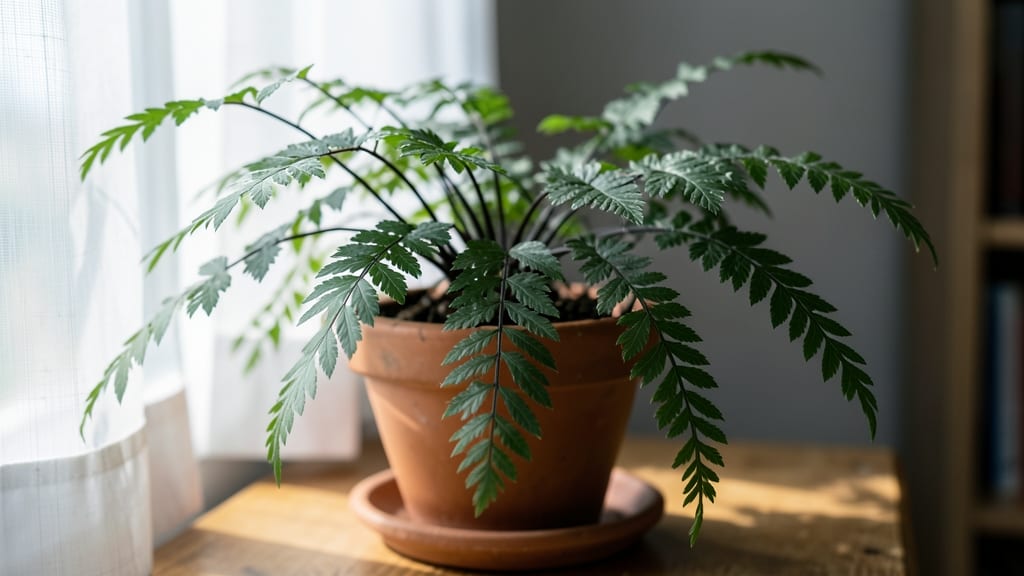
The maidenhair fern indoor house plant won’t just survive indoors—it’ll become the showstopper of your space with its delicate, lacy fronds. 🌿 I’ve grown mine for years, and the secret to its thriving low-light resilience lies in mimicking its natural, humid forest habitat.
Unlike high-maintenance houseplants, this fern forgives occasional neglect while rewarding consistent care with vibrant, arching foliage that stays green year-round.
The key to happy maidenhair ferns is gentle watering—keep the soil lightly moist but never soggy, and use distilled or rainwater to avoid mineral buildup.
A humidity tray or occasional misting works wonders, especially in dry climates, while bright, indirect light (like a north-facing window) keeps those fronds unfurling without scorching. The right well-draining soil mix—equal parts peat, perlite, and potting soil—prevents root rot and mimics the airy conditions of its wild origins.
With proper care, your maidenhair fern will grow 12-18 inches tall and spread wider, creating a cascading effect perfect for shelves or hanging baskets. Prune leggy fronds in spring to encourage bushier growth, and propagate by dividing the rhizomes—each piece roots easily in moist soil.
The payoff? A low-maintenance, high-impact plant that thrives where others fail, adding a touch of woodland elegance to any room.
Even in low-light conditions, maidenhair ferns stay lush if you avoid overwatering and provide occasional humidity boosts. For faster growth, fertilize lightly with a balanced liquid fertilizer every 4-6 weeks during spring and summer.
The result? A plant that feels like a natural air purifier while adding texture and movement to your indoor garden—without the fuss of high-light demands.
📚 In This Guide
- What you need
- Instructions
- Tips and common mistakes
- Wrapping up and next steps
What you need
- ● Maidenhair fern plant: 1 healthy specimen (choose from Adiantum varieties like venustum or aleuticum)
- ● Pot: 1 ceramic or terracotta pot (6–8 inches in diameter) with drainage holes
- ● Potting mix: 1 bag (2–3 quarts) of well-draining, peat-based mix (or a blend of 50% peat moss and 50% perlite)
- ● Drainage tray: 1 shallow tray to catch excess water
- ● Watering can: 1 with a narrow spout for gentle watering
- ○ Humidity tray (optional): 1 shallow tray + pebbles or moss for extra moisture
- ○ Misting bottle (optional): 1 for occasional foliar hydration
- ○ Fertilizer (optional): 1 balanced liquid fertilizer (diluted to half-strength)
- ○ Pruning shears (optional): 1 pair for trimming dead fronds
- ● 📍 A spot with indirect, bright to medium light (avoid harsh sun or deep shade)
- ● 💧 A routine for consistent moisture (keep soil evenly damp, not soggy)
- ● 🌡️ A cool to moderate environment (60–75°F / 15–24°C)
- ● 💨 Good air circulation (but avoid drafts from vents or AC)
Step-by-step guide to growing a thriving maidenhair fern indoors
Here's how to coax that delicate, feathery beauty to life—even in shady corners.
🪴 Step 1: Select the Right Container and Soil Mix
The maidenhair fern's roots are shallow and sensitive, so choose a shallow, wide pot with drainage holes—think 4-6 inches deep for a mature plant. I like glazed ceramic or plastic containers because they retain moisture better than terra cotta. Avoid anything too deep; the roots will rot before they reach the bottom.
Use a lightweight, airy potting mix formulated for ferns or orchids. A blend of 50% peat moss, 30% perlite, and 20% fine orchid bark mimics the fern's natural humid, well-draining habitat. Avoid garden soil—it's too dense and will suffocate those delicate roots. Mix the components thoroughly so the texture is fluffy but not powdery.
🌱 Step 2: Plant with Care to Avoid Root Damage
Gently remove the fern from its nursery pot and loosen the root ball with your fingers—don't tug or pull. Maidenhair ferns are sensitive to root disturbance, so handle them like you would a glass ornament. Place the plant in the center of the container and fill around the roots with your prepared mix, pressing lightly to eliminate air pockets.
Leave about ½ inch of space between the soil surface and the pot's rim. This prevents water from spilling over during misting, which is essential for this humidity-loving plant. Tap the pot gently on the table to settle the soil, then water thoroughly until water runs freely from the drainage holes. Empty the saucer immediately afterward—fern roots despise soggy conditions.
💧 Step 3: Master the Watering Routine
Maidenhair ferns need consistent moisture but will wilt dramatically if overwatered. Water whenever the top inch of soil feels dry to the touch—about every 2-3 days in typical indoor conditions. I use room-temperature, distilled water to prevent mineral buildup that can scorch the fronds. Always water until water flows from the drainage holes, then let excess drain away completely.
Here's the thing—this plant thrives in humidity. If your home feels dry (common with forced-air heating), mist the fronds daily or place the pot on a tray filled with pebbles and water. The evaporating moisture creates a microclimate perfect for maidenhair ferns. You'll know you're doing it right when the fronds stay lush and vibrant, not crispy or drooping.
☀️ Step 4: Position for Optimal Light Without Sunburn
Maidenhair ferns tolerate low to medium indirect light—the reason they're perfect for bathrooms or north-facing windows. Avoid direct sunlight; even a few hours will bleach the delicate fronds. I place mine 3-5 feet from an east-facing window, where they receive gentle morning light without harsh afternoon rays.
If the fronds start looking pale or leggy, you're giving it too much light. Conversely, if they turn dark green and grow slowly, it needs slightly more brightness. Rotate the pot a quarter turn weekly so the plant grows evenly. You'll see the difference in just a few weeks—fronds will unfurl fully and maintain that signature lacy texture.
✂️ Step 5: Prune and Maintain for Long-Term Health
Dead or brown fronds should be trimmed at the base with clean, sharp scissors to encourage new growth. Never pull them off—they'll tear and leave the plant vulnerable to pests. I prune mine every 2-3 months, removing only the fronds that are completely crispy or damaged. Healthy fronds will continue growing from the center.
Fertilize lightly once a month during spring and summer with a balanced, water-soluble fertilizer diluted to half strength. Over-fertilizing burns the roots, so less is more with these delicate plants. In fall and winter, let the plant rest—reduce watering slightly and skip fertilization entirely. You'll notice the difference in spring when new fronds emerge with vibrant, glossy foliage.
Tips & tricks for perfect maidenhair fern care
These little-known details make all the difference between a struggling fern and one that thrives for years.
Container Selection: The shallow, wide pot recommendation isn't just about aesthetics—it mirrors the fern's natural epiphytic growth habit. In the wild, maidenhair ferns cling to tree branches where water drains quickly. That ½-inch space you leave at the rim? It creates a perfect reservoir for misting without overflow, which prevents those dreaded crispy fronds. I've seen ferns in deep pots develop root rot within months because the bottom roots suffocate while the top stays dry.
Soil Mix Science: That 50-30-20 blend of peat moss, perlite, and orchid bark isn't arbitrary—it's about aeration and moisture retention. The peat holds water while the perlite prevents compaction. Here's what I learned the hard way: Never skip the orchid bark. It creates tiny air pockets that mimic the forest floor where these ferns evolved. I once used straight potting soil and watched my fern's roots suffocate within weeks.
Watering Wisdom: The daily misting isn't just about humidity—it's about creating a microclimate. Think of it like this: Your fern's fronds are like tiny sponges that need constant moisture to stay plump. That pebble tray method works because the evaporating water creates a natural humidity dome around the plant. Pro tip: Use a spray bottle with a fine mist setting and water in the morning so the fronds have time to dry slightly by evening—this prevents fungal issues.
Light Positioning: That east-facing window placement is critical because morning light is the gentlest. Direct sunlight contains UV rays that bleach the delicate fronds within hours. I've had readers ask why their ferns look pale after moving them to south-facing windows—it's not the light intensity, it's the UV exposure. For even growth, rotate your pot weekly. I mark the direction with a pencil on the pot rim so I remember which way is which.
Pro Tips for Maidenhair Fern Indoor House Plant
- These little-known details make all the difference between a struggling fern and one that thrives for years.
- Container Selection: The shallow, wide pot recommendation isn't just about aesthetics—it mirrors the fern's natural epiphytic growth habit.
- Soil Mix Science: That 50-30-20 blend of peat moss, perlite, and orchid bark isn't arbitrary—it's about aeration and moisture retention.
Frequently asked questions
How do I know if my maidenhair fern is getting enough light?
Maidenhair ferns love bright, indirect light but can tolerate low-light spots. If the fronds look leggy or yellow, it’s time to move it closer to a window (but avoid harsh direct sun). A north- or east-facing window is ideal!
Why are the tips of my maidenhair fern turning brown?
Brown tips usually mean low humidity or overwatering. Mist the fronds daily or place the pot on a pebble tray with water. If the soil feels soggy, let it dry out slightly between waterings. Pro tip: These ferns thrive in humidity—think bathroom or kitchen!
Can I grow a maidenhair fern in artificial light?
Yes! If you’re in a low-light apartment, use a grow light (12–14 hours/day) to mimic natural conditions. LED grow bulbs work well. Just keep it 6–12 inches away from the light source.
How often should I fertilize my maidenhair fern?
Feed lightly during spring and summer with a balanced liquid fertilizer (diluted to half-strength) every 4–6 weeks. Skip fertilizing in fall/winter—this delicate plant prefers gentle care over heavy feeding.
What’s the best alternative if my maidenhair fern keeps dying?
If you struggle with humidity or light, try Boston ferns or holly ferns—they’re hardier but still lush. For a low-maintenance look, peace lilies or ZZ plants are great backups.
Still stumped? Drop your question below—we’re happy to help!
Wrapping up and next steps
The maidenhair fern is a stunning, low-maintenance gem that brings elegance and life to any indoor space—even those with limited natural light. 🌿 With the right care, this delicate beauty will reward you with lush, feathery fronds that thrive for years.
Ready to elevate your plant collection? Start by choosing your favorite variety (like the classic Adiantum raddianum or the hardy Adiantum venustum), then grab your supplies and get growing!
Next step: Pick a spot, pot it up, and watch your maidenhair fern flourish—your indoor jungle just got a little more magical! 🌟