
Container Gardens
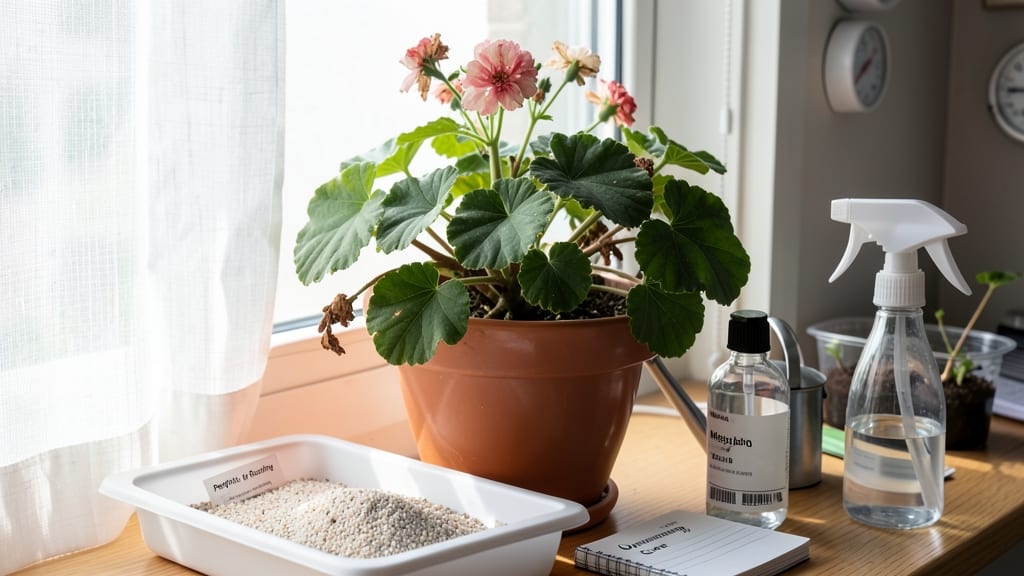
Overwintering geraniums indoors keeps those vibrant blooms coming year after year—no frost damage, no sad goodbye in fall. 🌿 I’ve saved my favorite geraniums through three winters now, and the secret isn’t complicated: it’s all about timing, light, and a little strategic pruning before the first chill hits.
The key is starting in early fall, when nights get cooler but before frost hits. Trim back leggy stems to about 3 inches, pot them up in fresh soil, and give them a bright spot—south-facing windows or under grow lights work best.
Too little light means weak stems and sparse blooms next season, so don’t skimp on brightness.
By spring, you’ll have bushy, healthy plants ready to transition back outside. Pinch back new growth to encourage fuller blooms, and harden them off gradually to avoid shock. The payoff? Geraniums that look like they’ve been growing all season, not struggling to recover.
Works for all geranium types—zonal, ivy, or regal—as long as you adjust light and watering. Here’s how to keep them thriving through the dark months without losing that classic geranium charm.
📚 In This Guide
- What you need
- Instructions
- Tips and common mistakes
- Wrapping up and next steps
What you need
- ● Healthy geranium plants: 1-10 plants (depending on your collection), pruned back to 3-4 inches tall before overwintering.
- ● Well-draining potting mix: 1-2 bags (e.g., cactus/succulent mix or a blend of peat, perlite, and sand).
- ● Containers: 1-10 pots (5-7 inches in diameter), with drainage holes.
- ○ Optional: Plastic nursery pots (for temporary use if repotting).
- ● Pruning shears or sharp scissors: 1 pair (sterilized with rubbing alcohol to prevent disease).
- ● Grow lights or LED bulbs: 1-2 full-spectrum grow lights (12-16 inches above plants) or
- ● 2-4 LED bulbs (6000K-6500K color temperature) for supplemental lighting.
- ● Humidity tray or pebble tray: 1 (to maintain moisture levels).
- ● Fertilizer: 1 bottle of balanced, water-soluble fertilizer (e.g., 10-10-10 or 20-20-20, diluted to half-strength).
- ● Spray bottle: 1 (for misting leaves if humidity is low).
- ● Thermometer/hygrometer: 1 (to monitor temperature and humidity, ideal range: 50-60°F and 40-50% humidity).
- ● Rooting hormone: 1 small bottle (to encourage faster root growth if propagating cuttings).
- ● Insecticidal soap or neem oil: 1 bottle (for pest control if needed).
- ● Plant labels: 1 pack (to keep track of geranium varieties).
- ● Reflective material: 1 sheet (e.g., aluminum foil or Mylar) to maximize light efficiency.
Step-by-Step instructions for overwintering geraniums indoors
Here's how I keep my geraniums thriving through winter—no guesswork, just reliable results.
🌿 Step 1: Prune Back and Inspect for Health
Start by cutting back each stem to about 3-4 inches above the base. Use clean, sharp scissors to make clean cuts just above a leaf node—this encourages bushier growth. I like to prune in the morning so any wounds have time to heal before evening.
Inspect each stem for signs of disease or pests. Look for mushy stems (a sign of rot) or tiny holes (indicating spider mites). Toss any unhealthy stems immediately—geraniums are tough, but they won’t recover if you start with compromised plants. Healthy stems should feel firm and snap cleanly when bent.
☀️ Step 2: Choose the Right Light Spot
Geraniums need bright, indirect light for at least 6-8 hours daily—a south-facing window is ideal. If your windows are north-facing, supplement with a grow light placed 12-18 inches away. I’ve seen leggy, weak growth when plants stretch toward weak light, so check for pale stems or leaves reaching toward the window.
Rotate the pots a quarter turn weekly so all sides get even light. You’ll notice new growth leaning toward the light if they’re not getting enough—this is your cue to move them closer or add a grow light. Avoid direct midday sun, which can scorch leaves after winter’s weaker light conditions.
🪴 Step 3: Adjust Watering for Winter Dormancy
Reduce watering to every 7-10 days—geraniums go semi-dormant in winter and need far less moisture. Stick your finger 1 inch into the soil; water only when it feels dry. Overwatering in winter is the #1 killer—root rot sets in fast when soil stays soggy.
Use room-temperature water to avoid shocking the roots. I like to water in the morning so excess moisture evaporates by evening. If leaves start yellowing, you’re likely overwatering. Let the soil dry out more between waterings until the plant stabilizes.
✂️ Step 4: Fertilize Lightly and Monitor Growth
Start fertilizing again in late winter with a balanced, water-soluble fertilizer (like 10-10-10) diluted to half strength. Feed every 4-6 weeks until spring. Too much fertilizer now causes weak, leggy growth—geraniums are light feeders in winter.
Watch for new growth in 4-6 weeks. If stems grow too long and floppy, it’s time to prune again to encourage bushiness. Pinch back the tips of new growth to force the plant to branch out. You’ll see compact, fuller plants by spring if you keep this up.
🌱 Step 5: Prepare for Spring Transition
In late February or early March, start gradually increasing light exposure. Move pots outside for 2-3 hours daily on mild days, then bring them back in at night. This hardens them off for the full outdoor transition.
By mid-April, your geraniums should be ready to go back outside. Watch for new buds forming—this is your signal they’re ready for their summer display. I always plant them in fresh soil and give them a light feeding to kickstart their blooming season.
Tips & tricks for perfect overwintering geraniums
Common pitfalls—and how to sidestep every one—when keeping your geraniums thriving through winter.
Pruning Precision: When you're cutting back those 3-4 inch stems in Step 1, aim for a clean angle just above a leaf node. I learned this the hard way after seeing uneven regrowth from sloppy cuts. Use a fresh pair of scissors for each plant to prevent spreading disease between stems. The morning timing isn't just about healing—it also gives you time to assess each plant's health before evening's cooler temperatures set in.
Light Strategy: That 6-8 hour daily light requirement is non-negotiable, but here's what nobody tells you—geraniums will stretch toward light even when they're not getting enough. If you notice stems growing long and thin with leaves reaching toward the window, it's your cue to move them closer or add a grow light. I place mine 12-18 inches away and notice the difference within days—no more leggy, weak growth. Rotate weekly to prevent lopsided plants that lean toward one side.
Watering Wisdom: The 7-10 day watering schedule in Step 3 is crucial, but the real secret is checking soil moisture properly. Stick your finger 1 inch deep—if it feels dry at that depth, water thoroughly. I've seen too many geraniums suffer from root rot because people only check the surface. Morning watering isn't just about convenience; it gives excess moisture time to evaporate before evening, preventing soggy soil that invites rot. Yellowing leaves? That's your first warning sign to cut back immediately.
Fertilizer Timing: Starting that balanced fertilizer in late winter is perfect, but here's my pro move: I dilute it to half strength for the first feeding. Geraniums are light feeders in winter, and too much fertilizer causes weak, leggy growth that collapses under its own weight. Watch for new growth in 4-6 weeks—if you see stems getting too long and floppy, it's time to pinch back the tips to encourage bushier growth. This simple step makes all the difference between scraggly plants and lush, compact bushes by spring.
Pro Tips for Overwintering Geraniums Indoors
- Common pitfalls—and how to sidestep every one—when keeping your geraniums thriving through winter.
- Pruning Precision: When you're cutting back those 3-4 inch stems in Step 1, aim for a clean angle just above a leaf n...
- Light Strategy: That 6-8 hour daily light requirement is non-negotiable, but here's what nobody tells you—geraniums w...
Frequently asked questions
Got questions about keeping your geraniums thriving indoors through winter? You’re not alone! Here are answers to the most common concerns—so you can enjoy lush, blooming plants all year long.
What’s the best temperature range for overwintering geraniums indoors?
Keep your geraniums cozy but not too warm—ideal temps range between 50–60°F (10–15°C). Avoid drafts near windows or heating vents, as extreme cold or heat can stress the plants. A bright, cool spot (like a sunroom or north-facing window) works best. Pro tip: If temps drop below 45°F (7°C), move them to a warmer area to prevent dormancy.
When should I start pruning geraniums for overwintering?
Prune your geraniums 6–8 weeks before the first frost (late summer to early fall). This gives them time to heal and adjust before winter. Cut back leggy stems by half to encourage bushier growth. Avoid heavy pruning too late in the season—it can stress the plant before dormancy.
Can I overwinter geraniums without pruning them?
Technically yes, but pruning is highly recommended to prevent overcrowding and disease. Unpruned geraniums may become woody, leggy, or prone to pests. If you skip pruning, at least trim dead or yellowing leaves and reduce watering to minimize stress. Just be prepared for slower regrowth in spring.
What if my geraniums get leggy or stop blooming indoors?
Leggy growth or lack of blooms usually means too little light. Move your geraniums to the brightest window (south or west-facing is ideal) or supplement with a grow light 12–14 hours/day. Pinch back new growth to encourage compactness, and fertilize lightly with a balanced houseplant fertilizer every 4–6 weeks.
How do I prevent pests (like spider mites) on indoor geraniums?
Pests love dry indoor air! Mist leaves occasionally or place a tray of water nearby to boost humidity. Check undersides of leaves for spider mites or aphids—wipe them off with a damp cloth or spray with neem oil (mixed per label). Isolate infested plants to prevent spread, and avoid overwatering, which attracts fungus gnats.
Wrapping up and next steps
Overwintering your geraniums indoors doesn’t have to be stressful—with the right pruning, light tricks, and care, you’ll enjoy vibrant blooms year-round! 🌱 Whether you’re a seasoned gardener or just starting, these steps ensure your plants thrive through winter and beyond.
Now that you’re armed with the know-how, take action this weekend! Start by inspecting your geraniums, trim them back, and set up their cozy indoor spot. Before you know it, you’ll be rewarded with lush, healthy plants ready to burst into color when spring arrives.