
Companion Plants
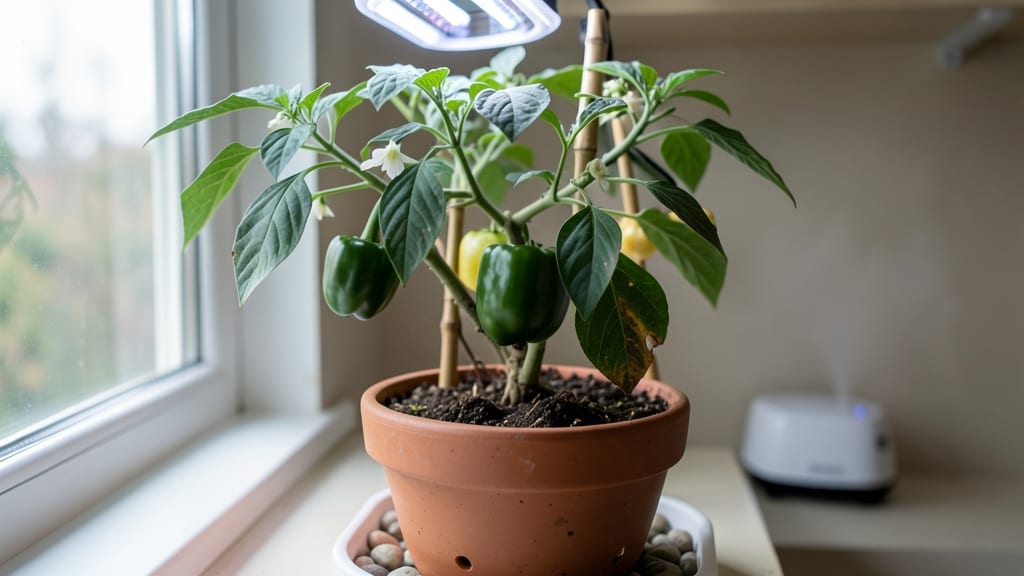
Overwintering pepper plants indoors gives you fresh jalapeños in February—if you nail the light and temperature. 🌱 I’ve saved my best plants through three winters now, and the secret isn’t just keeping them alive—it’s making them thrive when sunlight is scarce.
Peppers slow down in winter, but with the right setup, they’ll still produce fruit, just smaller and slower.
The real game-changer is supplemental light—peppers need 12-14 hours daily, and a basic grow light solves that. Temperature matters too: keep them between 60-70°F during the day and 55-60°F at night.
Too cold, and growth stalls; too hot, and buds drop. Humidity is often overlooked, but peppers hate dry air—aim for 40-60% with a pebble tray or humidifier.
By late fall, you’ll prune leggy growth and repot into smaller containers to force root growth. Within 4-6 weeks, you’ll see new leaves and—with luck—tiny peppers forming. The payoff? Homegrown heat in winter when store-bought peppers are bland and expensive.
This works for any pepper variety, from sweet bells to fiery habaneros, and beats digging up plants to overwinter outdoors. Just watch for pests like spider mites, which love indoor dryness. Here’s how to keep them healthy through the dark months.
📚 In This Guide
- What you need
- Instructions
- Tips and common mistakes
- Wrapping up and next steps
What you need
- ● Pepper plants: 1–5 mature, healthy plants (depending on your space and harvest goals). Choose varieties suited for indoor growing, like Jalapeño, Bell, or Cherry Peppers.
- ● Containers: 5–10 gallon pots (or larger) with drainage holes. Fabric grow bags or plastic nursery pots work well.
- ● Well-draining potting mix: 5–10 gallons of a lightweight, sterile mix (e.g., 60% coconut coir, 30% perlite, 10% compost). Avoid garden soil—it compacts and invites pests!
- ● Grow lights: 1–2 full-spectrum LED grow lights (12–16 watts per sq. ft.). T5 or T8 fluorescent bulbs are budget-friendly alternatives.
- ● Thermometer/hygrometer: 1 digital unit to monitor temperature (65–75°F) and humidity (40–60%).
- ● Pruning shears: Sharp, sterilized shears for trimming leggy growth or dead foliage.
- ● Support structures: 1–2 cage stakes, trellises, or tomato cages (if your peppers need vertical space).
- ● Reflective surfaces: Aluminum foil or Mylar sheets to maximize light efficiency (attach to walls behind plants).
- ● Heat mat: 1–2 self-regulating heat mats (for cooler climates or drafty spaces).
- ● Fertilizer: Balanced liquid fertilizer (10-10-10) or slow-release pellets. Reduce strength to half-strength during winter.
- ● Insecticidal soap: 1 bottle (to combat spider mites or aphids, common indoor pests).
- ● Humidifier or pebble tray: 1 unit (if your home is dry; peppers love 50%+ humidity).
- ● Timers: 1–2 light/timer switches to automate 12–14 hours of daily light.
Step-by-Step instructions for overwintering pepper plants indoors
Here's how to keep your peppers thriving through winter—no fancy gear required.
🌿 Step 1: Assess and Prune for Winter Survival
Start by examining your pepper plants for any signs of disease or damage. Remove any yellowed, brown, or wilted leaves with clean, sharp scissors—this prevents pests and diseases from taking hold during dormancy. I like to cut back about one-third of the foliage, focusing on the lower leaves first. These leaves often get crowded and don't get enough light or airflow once indoors.
Next, trim any flower buds or developing peppers still on the plant. While it’s tempting to leave them for a late harvest, overwintering peppers need all their energy focused on surviving, not fruiting. You’ll get a bigger, stronger plant—and more peppers next season—if you let it rest now. Prune just above a leaf node where new growth can emerge if conditions improve later.
☀️ Step 2: Transition Plants Indoors Gradually
Don’t rush your peppers inside—sudden temperature drops can shock them. Over 7-10 days, move the plants indoors for 2-3 hours daily, gradually increasing their time inside. This process, called hardening off, helps them adjust to lower light and cooler temperatures. Place them in a bright spot near a window first, but avoid direct sunlight, which can cause leaf scorch.
Watch for signs of stress like wilting or leaf drop. If you notice this, keep them indoors for shorter periods and slowly increase exposure. Once fully inside, find a spot with the brightest indirect light available. South-facing windows are ideal, but if your space is dim, supplement with a grow light for 12-14 hours daily. Peppers need light to stay healthy, even in winter.
💧 Step 3: Adjust Watering and Humidity for Indoor Conditions
Indoor air is often drier, so reduce watering frequency but keep the soil evenly moist—not soggy. Stick your finger 1 inch into the soil before watering; if it feels dry, it’s time. Overwatering is the fastest way to kill overwintering peppers, so let the top inch dry out slightly between waterings. I use a spray bottle to mist the leaves occasionally, especially if the air feels dry, but avoid getting water on the leaves if possible—this can encourage fungal issues.
Grouping plants together or placing a tray of water near them increases humidity naturally. You’ll know you’ve got the right balance when new leaves stay firm and green, not crispy or yellowing. If you see brown leaf edges, that’s a sign the air is too dry. A small humidifier set to 40-50% humidity works wonders if your home runs dry in winter.
⏰ Step 4: Monitor Temperature and Fertilize Lightly
Peppers thrive in 65-75°F during the day and can tolerate slightly cooler nights, but avoid drafts or sudden temperature swings. If your home gets chilly at night, move plants away from windows or doors. I keep mine near an interior wall where the temperature stays stable. Avoid placing them near heating vents or air conditioners, as fluctuating temps stress the plants.
Cut back on fertilizer to half-strength every 4-6 weeks during winter. Too much fertilizer encourages soft, weak growth that’s prone to disease. A balanced, water-soluble fertilizer with equal parts nitrogen, phosphorus, and potassium works best. Stop fertilizing entirely if the plant looks stressed or drops leaves—it’s telling you to take a break. Focus on keeping it alive, and it’ll reward you with stronger growth come spring.
🌱 Step 5: Prepare for Spring Revival
Around mid-February, start giving your peppers more light and warmth to signal it’s time to wake up. Increase grow light hours to 14-16 hours daily and gradually reintroduce fertilizer. You’ll notice new growth within 2-3 weeks—this is your cue that the plant is ready to ramp up its energy. Prune any dead or weak stems to encourage fresh, vigorous growth.
By late March or early April, your peppers should be strong enough to transplant back outdoors after the last frost. Harden them off again by gradually increasing their time outside, just like you did in the fall. With the right care, your overwintered peppers will produce even more bountiful harvests next season than they did the first year.
Tips & tricks for overwintering pepper plants indoors
Here's what nobody tells you about keeping your peppers alive through winter—these tricks make all the difference.
Pruning Precision: When cutting back that one-third of foliage in Step 1, focus on removing leaves that are touching the soil or crowding the plant base. These leaves trap moisture and create the perfect environment for fungal diseases like powdery mildew. Use clean scissors and make cuts just above a leaf node—this leaves a growth point ready to sprout if conditions improve later. I've seen plants recover from heavy pruning when done this way, but never when I cut too close to the stem.
Hardening Off Hack: During that critical 7-10 day transition in Step 2, place your peppers in a sheltered spot outside during the day and bring them in at night. This mimics natural temperature swings and helps them adjust better than gradual indoor exposure alone. Watch for wilting—the plant's way of saying "slow down." If you notice this, reduce outdoor time by an hour and gradually build back up.
Lighting Strategy: That 12-14 hours of grow light in Step 2 is non-negotiable for winter survival. Position the light just 6-12 inches above the plants and keep it on a timer to maintain consistency. I've found that LED grow lights with a full spectrum (red and blue) work best for peppers. If you notice leaves stretching toward the light or turning pale, you need to either increase light intensity or move the plants closer.
Fertilizer Timing: The half-strength fertilizer every 4-6 weeks in Step 4 is about balance—too much causes soft growth that's prone to disease, but too little means your peppers won't have energy to recover. I like to use a liquid fertilizer with a 5-5-5 or 10-10-10 ratio for overwintering. If you see yellowing leaves between veins (a classic nitrogen deficiency sign), it's time for your next feeding. But if leaves start curling or dropping, that's your cue to stop fertilizing entirely and focus on water and light.
Pro Tips for Overwintering Pepper Plants Indoors
- Here's what nobody tells you about keeping your peppers alive through winter—these tricks make all the difference.
- Pruning Precision: When cutting back that one-third of foliage in Step 1, focus on removing leaves that are touching the soil or crowding the plant base.
- Hardening Off Hack: During that critical 7-10 day transition in Step 2, place your peppers in a sheltered spot outside during the day and bring them in at night.
Frequently asked questions
When is the best time to overwinter pepper plants?
Start overwintering peppers when nighttime temperatures drop below 50°F (10°C)—usually late fall. Harvest mature peppers first, then trim back healthy plants to focus energy on root growth. By mid-to-late October, most gardeners transition peppers indoors to avoid frost damage. Pro tip: Wait until after the first frost to ensure plants are fully hardened.
Can I overwinter pepper plants in a garage or basement?
Garages and basements can work if temperatures stay above 50°F (10°C) and humidity is controlled. Avoid damp spaces—peppers rot in soggy conditions. Use a grow light, and ensure airflow to prevent mold. A cool but bright spot (like a sunroom) is ideal, but supplement with artificial light if natural light is scarce.
How do I prevent pests from moving indoors with my peppers?
Inspect plants thoroughly before bringing them inside—look for aphids, spider mites, or whiteflies. Quarantine new plants for 2–3 weeks and treat with neem oil or insecticidal soap if needed. Keep overwintering peppers isolated from other houseplants to avoid cross-contamination. Pro tip: Wipe down leaves with a damp cloth to remove eggs or pests.
What’s the easiest way to revive a struggling overwintered pepper plant?
If leaves yellow (chlorosis) or stems look leggy, it’s likely light-deficient. Move the plant closer to a south-facing window or under a grow light (12–16 hrs/day). Prune dead growth, reduce watering slightly, and fertilize lightly with a balanced 10-10-10 solution. Avoid overwatering—peppers hate soggy soil in winter.
Can I overwinter pepper plants year after year?
Yes! Peppers can overwinter 2–3 years if given proper care. However, their productivity may decline over time. Renew vigor by rejuvenating stems (pruning back by ⅓ annually) and rotating companion plants (like basil or marigolds) to deter pests. After 3 years, consider starting fresh from seeds to avoid disease buildup.
Wrapping up and next steps
Overwintering your pepper plants indoors isn’t just about survival—it’s about setting the stage for a bountiful harvest next season. With the right light, care, and a dash of patience, you can keep your plants thriving until spring.
Now that you’re armed with these hacks, take the next step: pick a sunny spot, prep your plants, and watch them grow strong for another year of delicious peppers! 🌱✨