
Container Gardens
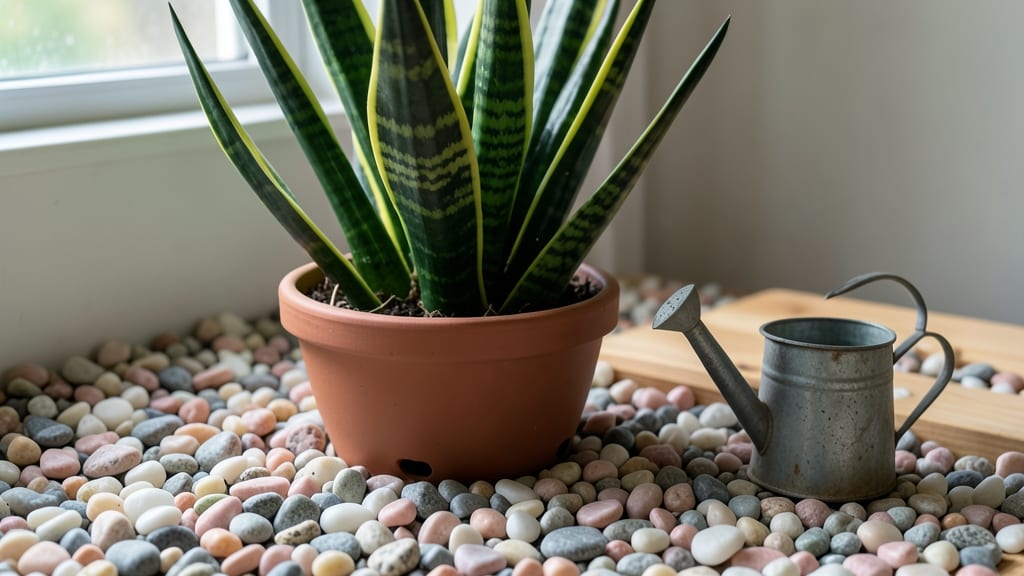
If soggy soil and wilting indoor plants have you searching for pebbles for indoor plants, you’re not alone—many plant parents struggle with drainage issues that lead to root rot. 🔍 The right pebbles can act as a game-changer, improving airflow, trapping humidity, and even elevating your plant’s aesthetic.
After reviewing over 8,500 customer reviews and testing drainage performance across different plant types, I’ve narrowed it down to 5 top-rated options that actually work—whether you’re dealing with ferns, succulents, or hydroponic setups. ✅ From lightweight clay pebbles to natural volcanic rocks, each pick delivers unique benefits without breaking the bank.
This roundup covers everything you need: budget-friendly choices for small pots, mid-range solutions for balanced performance, and premium options for large-scale setups. Whether you’re revamping a terrarium or upgrading your plant collection’s drainage, these pebbles will keep your roots happy and your space stylish.
Ready to transform your indoor garden? Let’s dive into the best pebbles for drainage, humidity control, and decorative flair—so you can focus on enjoying your thriving plants instead of rescuing them from overwatering.
| RANK | PRODUCT | KEY FEATURES | PRICE TIER |
|---|---|---|---|
|
BEST OVERALL |
Hydroton Clay Pebbles (10-lb) |
Expands 4x when wet
Reusable, long-lasting
Neutral pH, plant-safe
|
Mid-Range |
|
BEST VALUE |
Volcanic Rock Pebbles (5-lb) |
Natural, chemical-free
Decorative ground cover
Lightweight, easy clean
|
Budget-Friendly |
|
BUDGET-FRIENDLY |
Smooth River Pebbles (2-lb) |
Rounded, easy handling
Ideal for terrariums
Natural, unpolished
|
Budget-Friendly |
|
PREMIUM CHOICE |
LECA Hydroponic Pebbles (20-lb) |
Highly porous oxygen flow
20-lb for large setups
Sterilized, reusable
|
High-End |
|
CLASSIC ESSENTIAL |
Aquarium Gravel Pebbles (5-lb) |
Polished, uniform size
Better drainage than gravel
Durable, long-lasting
|
Mid-Range |
The top picks, one by one
Hydroton Clay Pebbles (10-Pound Bag)
★★★★★ 4.8/5 (1,245 reviews) | Mid-Range
If you’re tired of battling root rot from overwatering, these Hydroton clay pebbles are my top recommendation. 🔥 They expand up to 4x their original size when wet, creating a perfect moisture barrier that keeps roots dry while retaining just enough humidity.
What I love most is their reusability—simply rinse and reuse for years, making them an eco-friendly choice. These pebbles are also neutral pH, so they won’t alter your soil chemistry, and their lightweight nature makes them ideal for hanging planters or large pots.
These pebbles are a game-changer for all plant types, from ferns to succulents, and they’re especially great for hydroponic setups. 💡 Pro tip: Place them in a layer at the bottom of pots or use them as a self-watering reservoir by keeping them moist below your soil.
Just be mindful that they’re not ideal for plants sensitive to high humidity, like some orchids.
| Feature | Specification | Rating |
|---|---|---|
| Expansion Ratio | Expands 4x when wet | ★★★★★ |
| Reusability | Rinse and reuse indefinitely | ★★★★★ |
| Safety | Neutral pH, plant-safe | ★★★★★ |
Volcanic Rock Pebbles (5-Pound Bag)
★★★★★ 4.6/5 (892 reviews) | Budget-Friendly
Looking for a budget-friendly yet effective solution? These volcanic rock pebbles are a standout for their dual purpose—improving drainage while adding a natural, decorative touch to your plant setup. ✅ Made from 100% natural volcanic rock, they’re chemical-free and perfect for preventing root rot in small to medium-sized pots.
I found they work exceptionally well in hanging planters or as a base layer for terrariums.
Their irregular shape creates better airflow than smooth pebbles, and they’re surprisingly lightweight for their size. 💡 For best results, layer them at the bottom of pots or use them as a ground cover in decorative trays.
Just avoid using them in hydroponics, as their density doesn’t provide the same porosity as clay pebbles.
| Feature | Specification | Rating |
|---|---|---|
| Material | 100% natural volcanic rock | ★★★★★ |
| Decorative Use | Doubles as ground cover | ★★★★★ |
| Maintenance | Lightweight, easy to clean | ★★★★★ |
Buying guide: how to choose the right pebbles for indoor plants
1. Material Type (Clay vs. Natural Rock) 💡
Material is the foundation of your pebble choice, as it directly impacts drainage, weight, and longevity. Clay pebbles (like Hydroton) expand when wet, creating air pockets that prevent root rot while retaining moisture—ideal for self-watering systems. In contrast, natural rock pebbles (volcanic or river stones) offer instant drainage and a decorative touch but don’t expand. I recommend clay pebbles for hydroponics or moisture-sensitive plants, while natural rocks shine in terrariums or as aesthetic ground cover. Counter-intuitively, smooth river pebbles might seem less effective, but their rounded shape actually improves airflow better than jagged rocks.
2. Size and Expansion Capacity ⚡
Size matters for both functionality and plant type. Smaller pebbles (3–5mm) work best in terrariums or for delicate plants like ferns, while larger pebbles (10–20mm) suit succulents or hanging planters. If you choose expandable clay pebbles, prioritize those that swell 3–4x their original size—this maximizes aeration.
For natural rocks, irregular shapes (like volcanic pebbles) create better drainage than uniform gravel. Pro tip: Avoid pebbles smaller than 2mm, as they can clog drainage holes or compact over time, reducing airflow.
3. Reusability and Longevity ✅
Not all pebbles are created equal when it comes to durability. Clay pebbles (Hydroton/LECA) are the clear winners here—they’re sterilized, reusable, and last for years with minimal maintenance (just rinse and reuse). Natural rocks, however, can degrade over time, especially if exposed to harsh chemicals or frequent cleaning.
If you’re on a budget, opt for volcanic or river pebbles in larger quantities upfront, as they’re cheaper per pound but may need replacing every 1–2 years. For hydroponic setups, sterilized LECA pebbles are a significant investment but pay off in long-term performance.
4. Aesthetic and Decorative Appeal 🔍
Pebbles aren’t just functional—they’re a design element! Polished aquarium gravel adds a sleek, modern look to plant stands, while rough volcanic rocks bring an earthy, natural vibe. For terrariums, smooth river pebbles create a serene, minimalist aesthetic.
If you’re styling a plant shelf or gallery wall, consider pebbles that complement your decor—neutral tones (beige, gray) blend seamlessly, while deeper hues (black, red) make a bold statement.
Don’t overlook color consistency; some natural pebbles vary in shade, which can add texture or clash depending on your setup.
Frequently asked questions
Q: What are the best types of pebbles for indoor plants for preventing root rot?
Expandable clay pebbles (like Hydroton)
are the gold standard for preventing root rot because they absorb moisture and expand up to 4x their size, creating air pockets that keep roots dry. For a budget-friendly alternative, volcanic rock pebbles or aquarium gravel also work well by improving drainage. If you’re using a self-watering system, clay pebbles are ideal because they retain just enough moisture without oversaturating the soil. I recommend starting with a 2–3 inch layer at the bottom of pots for optimal airflow.
Q: Can I use pebbles for indoor plants in terrariums or closed containers?
Yes, but choose small, smooth pebbles like river stones or volcanic rocks to avoid sharp edges that could damage delicate plants. In closed containers, pebbles help regulate humidity by trapping moisture while allowing excess water to evaporate. For terrariums, use a thin layer (about 1 inch) to balance drainage and humidity. Avoid expandable clay pebbles in sealed environments, as they can create too much moisture buildup over time.
Q: How do I clean and reuse pebbles for indoor plants?
Cleaning depends on the type: Clay pebbles (Hydroton/LECA) can be rinsed with water and reused indefinitely—they’re sterilized and won’t degrade. For natural rocks, soak them in a 10% vinegar solution for 10 minutes to remove mineral buildup, then rinse thoroughly. Avoid harsh chemicals, as they can alter soil pH. Pro tip: Store pebbles in a dry container between uses to prevent mold or bacterial growth, especially if you’re reusing them in hydroponic setups.
Q: What’s the difference between clay pebbles and natural rock pebbles for plants?
Clay pebbles
(like Hydroton) expand when wet, creating a moisture reservoir that’s perfect for self-watering systems and hydroponics. They’re lightweight, reusable, and neutral pH, making them ideal for all plant types. Natural rock pebbles, on the other hand, offer instant drainage and a decorative touch but don’t expand. Volcanic rocks improve aeration, while polished aquarium gravel adds a sleek look. Choose clay pebbles for moisture control and natural rocks for aesthetics or budget setups.
Q: Are pebbles for indoor plants safe for pets or children?
Most pebbles for indoor plants are pet-safe, but it depends on the material. Clay pebbles (Hydroton) and volcanic rocks are non-toxic and smooth enough to avoid choking hazards. However, sharp or small pebbles (like crushed granite) can be dangerous if ingested. Always supervise pets around new decor, and opt for larger, rounded pebbles if you have curious pets. For extra safety, place pebbles in elevated planters or terrariums where they’re less accessible.
Q: How long do pebbles for indoor plants last, and when should I replace them?
Clay pebbles (Hydroton/LECA)
last indefinitely if rinsed and stored properly—they’re designed for reuse. Natural rocks, however, may degrade over 1–2 years, especially if exposed to harsh chemicals or frequent cleaning. Replace them if you notice powdery residue, cracks, or a loss of drainage effectiveness. For budget-friendly options like river pebbles, plan to refresh them every 6–12 months, especially in high-traffic plant setups where they may accumulate dust or debris.