
Container Gardens
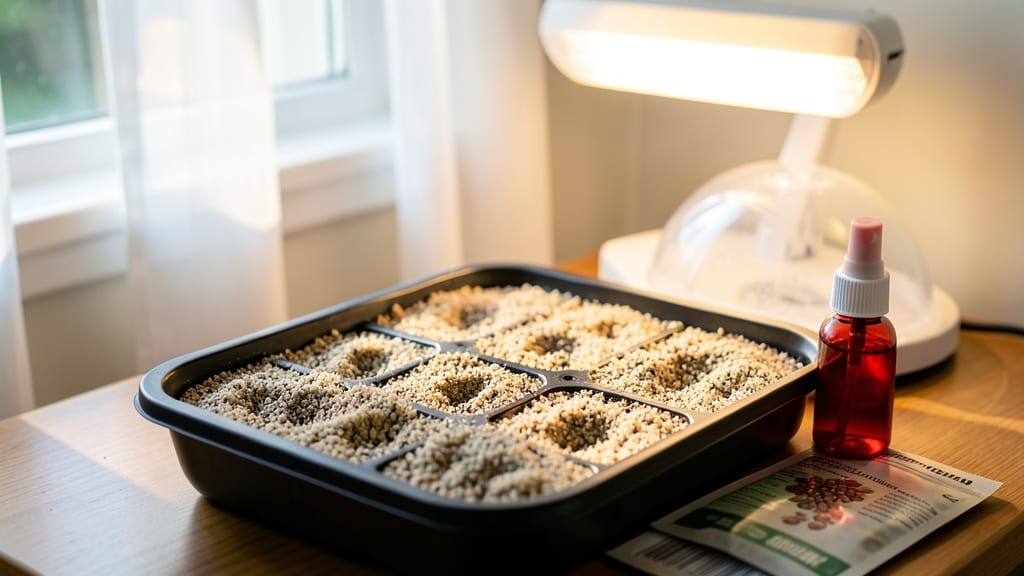
Planting zinnia seeds indoors gives you a head start on those bold, papery blooms that make summer gardens pop. 🌻 I’ve started zinnias this way for years, and the secret isn’t complicated—it’s timing, light, and a little patience.
If you’ve ever waited until spring to plant zinnias and ended up with late-season flowers, starting them indoors changes the game.
The magic happens in just 4-6 weeks before your last frost, with the right setup: small seed-starting trays, a mix of potting soil and perlite, and a warm spot near a sunny window or grow light.
Zinnia seeds germinate fast—usually within 5-10 days—but keeping the soil consistently moist (not soggy) is key. Too much water drowns them; too little stalls their growth.
What you’ll end up with are sturdy seedlings ready to handle outdoor conditions, their first true leaves unfurling in vibrant green. The payoff? Six-foot-tall stems packed with dinner-plate blooms by midsummer, long after store-bought plants have faded.
Just watch for leggy seedlings—thin them out or add a grow light to keep them strong.
Works for any climate, from desert heat to cool mountain summers. Once your zinnias hit 3-4 inches tall, they’re ready to graduate to the garden. Here’s how to set it up without the guesswork.
📚 In This Guide
- What you need
- Instructions
- Tips and common mistakes
- Wrapping up and next steps
What you need
- ● Zinnia seeds: Choose heirloom or hybrid varieties (e.g., 'Benary’s Giant,' 'Profusion,' or 'Crystal'). Aim for 3–5 seeds per 2–3 inch pot or 10–15 seeds per tray cell.
- ● Seed-starting trays or small pots: Biodegradable or plastic, with drainage holes. Use 1–2 inch deep containers for optimal root growth.
- ● Seed-starting mix: A lightweight, sterile potting mix (e.g., 50% peat moss + 50% perlite or vermiculite). Avoid garden soil—it’s too dense!
- ○ Growing containers (optional but helpful): Clear plastic domes or humidity trays to retain moisture and warmth.
- ● Spray bottle: For gentle watering (avoid over-saturating seeds). A 16–32 oz. misting bottle works best.
- ● Plant labels: Small wooden or plastic tags to track seed varieties and planting dates.
- ● Grow lights or sunny windowsill: Zinnias need 12–16 hours of light daily. A full-spectrum LED grow light (e.g., 12–24 inch fixture) is ideal if natural light is limited.
- ○ Heat mat (optional): A seedling heat mat (set to 70–75°F) speeds up germination for faster sprouts.
- ○ Fertilizer (optional): A balanced, water-soluble fertilizer (e.g., 5-10-5 or 10-10-10) diluted to half-strength for seedlings.
- ● Timing: Plant seeds 6–8 weeks before your last frost date for outdoor transplanting.
- ● Space: Ensure your indoor setup has consistent warmth (65–75°F) and good air circulation (e.g., a small fan on low).
- ● Patience: Germination takes 7–14 days—keep seeds moist and warm!
Step-by-step instructions for planting zinnia seeds indoors
Here’s how to get those cheerful zinnias off to a strong start—indoor seeds that’ll burst into bloom come summer.
🌱 Step 1: Prepare Your Containers and Seed Starting Mix
Use small pots or seed trays with drainage holes—2-3 inches deep is perfect. I like to fill them with a light, sterile seed-starting mix because zinnias hate soggy soil. Moisten the mix until it’s damp like a wrung-out sponge, but not dripping. The goal is to create an environment where tiny roots can spread without suffocating.
Tap the containers gently on the table to settle the soil, then smooth the surface with your fingers. This ensures even contact between seeds and soil, which helps germination. If your mix is too dense, add a little perlite to loosen it up—zinnias grow best when their roots aren’t fighting for air.
🌱 Step 2: Plant the Seeds at the Right Depth
Zinnia seeds are tiny but mighty—plant them just ¼ inch deep, barely covering them with soil. I like to use a toothpick to make a small hole for each seed, then drop one in and cover it lightly. Planting too deep slows germination, and zinnias won’t wait around for help.
Space them about 1 inch apart in the container since zinnias grow quickly. If you’re sowing multiple seeds in one pot, label it with the variety and date—those first sprouts will look identical until they start showing personality. After planting, give the soil a light mist with water to settle everything in place.
💧 Step 3: Create the Ideal Germination Environment
Zinnia seeds need warmth to sprout, so place your containers in a spot where the soil stays between 70-75°F. A seedling heat mat helps if your home runs cooler—just set it to 75°F for consistent results. Cover the pots with a clear plastic dome or wrap to trap moisture and warmth, but leave a tiny gap for airflow.
Check the soil daily—it should stay evenly moist but never soggy. Overwatering now leads to damping-off, a fungal disease that turns young seedlings to mush overnight. Once you see the first green sprouts (usually in 7-14 days), remove the cover immediately. Zinnias hate humidity once they’ve broken through the soil.
☀️ Step 4: Provide Bright Light for Strong Seedlings
The moment those first true leaves appear (not the tiny cotyledons), move your zinnias to the brightest light you have. A south-facing window works, but most homes don’t get enough intensity there. I use a grow light on a timer for 14-16 hours daily, keeping it 2-3 inches above the seedlings.
Watch for leggy growth—those weak, stretched stems mean your light is too far away. Strong zinnias have thick stems and dark green leaves. If you notice seedlings leaning toward the light, rotate the pots daily so they grow straight. Avoid cold drafts, which stunt their growth—zinnias are tropical at heart.
⏰ Step 5: Harden Off and Transplant Outdoors
When nighttime temperatures stay above 50°F and all frost risk has passed, it’s time to move zinnias outside. Start by placing them in a sheltered spot for 1-2 hours the first day, gradually increasing their time outdoors over 7-10 days. This process, called hardening off, toughens them up for real summer conditions.
Transplant on a cloudy day or in the evening to reduce stress. Space your zinnias 8-12 inches apart in the garden, giving them room to spread. Water deeply at the base—zinnias love moisture but hate wet leaves, so water in the morning so foliage dries by night. With this early start, you’ll have blooms in as little as 60 days.
Tips & tricks for perfect zinnia seed starting indoors
Here's what I've learned after nurturing dozens of zinnia starts—these little details make all the difference between wimpy seedlings and robust plants ready to conquer your garden.
Soil Preparation Secret: Before adding your seed-starting mix to the containers, sprinkle a thin layer of perlite or vermiculite at the bottom. This creates a tiny air pocket that prevents waterlogging—zinnias despise soggy roots. I mix about 1 part perlite to 4 parts soil right in the container to ensure proper drainage from the very first day.
Lighting Hack: If you're using a grow light for those critical 14-16 hours daily, position it just 2-3 inches above the seedlings—but here's the key: adjust the height as they grow. Every 5-7 days, move it up slightly to maintain that distance. I use a small ruler to check, and it prevents those leggy seedlings that stretch desperately toward the light.
Germination Timing: Those 7-14 days for germination can feel like forever, but consistency is everything. I set a reminder to check soil moisture every morning—zinnias need even dampness, not a drink every time you think of it. Pro tip: Use a spray bottle with a fine mist setting to avoid disturbing the tiny seeds while keeping them hydrated.
Harden Off Gradually: When it's time to transition your zinnias outdoors, I recommend starting with just 1-2 hours on the first day in a sheltered spot. Watch their leaves—if they look wilted after this short time, they're not ready yet. Gradually increase their outdoor time by 1-2 hours each subsequent day. This slow adaptation prevents shock and gives you stronger plants when transplanting.
Pro Tips for Planting Zinnia Seeds Indoors
- Here's what I've learned after nurturing dozens of zinnia starts—these little details make all the difference between...
- Soil Preparation Secret: Before adding your seed-starting mix to the containers, sprinkle a thin layer of perlite or ...
- Lighting Hack: If you're using a grow light for those critical 14-16 hours daily, position it just 2-3 inches above t...
Frequently asked questions
Got questions about starting your zinnia seeds indoors? You’re not alone! Here are some of the most common concerns and their straightforward solutions to help you grow confidently.
When is the best time to plant zinnia seeds indoors?
Plant zinnia seeds indoors 6–8 weeks before your last frost date. This timing ensures they’re strong enough to transplant outdoors once temperatures stay above 50°F (10°C) at night. Check your local frost dates for precision!
Do zinnia seeds need light to germinate?
Yes! Zinnia seeds require light to germinate. Avoid burying them too deep—just press them lightly into the soil (about ¼ inch deep). Use a seed tray with a clear lid or a grow light to keep them happy until sprouts appear (usually in 7–14 days).
What if my seedlings look leggy or weak?
Leggy seedlings happen when they’re stretched for light. Move them closer to a sunny window or under grow lights (12–16 hours/day). If they’re top-heavy, gently bury a third of the stem in soil to encourage root growth. Avoid overcrowding—thin seedlings to 2 inches apart for better airflow.
Can I use regular potting soil for zinnia seeds?
Yes, but amend it for better results. Mix in perlite or vermiculite (20%) for drainage and a slow-release fertilizer (like 5-10-5) to give seedlings a nutrient boost. Avoid heavy garden soil—it can compact and suffocate roots. A seed-starting mix works best!
What’s the best way to harden off zinnia seedlings?
Start hardening off 1–2 weeks before transplanting. Gradually expose seedlings to outdoor conditions: begin with 1–2 hours of shade, then increase time and sun exposure daily. By day 7, they should handle full sun. This toughens them up for the garden!
Why aren’t my zinnia seeds sprouting?
Check these common culprits: old seeds (plant fresh ones), too-cold soil (keep trays at 70–75°F), or dampness (prevent mold with a spray bottle). If seeds are viable but slow, try a heat mat or a sunny windowsill. Patience—some take up to 3 weeks!
Wrapping up and next steps
Planting zinnia seeds indoors is a rewarding way to jumpstart your summer garden and enjoy bold, cheerful blooms all season long!
By following these simple steps—from gathering the right supplies to nurturing your seedlings—you’ll set yourself up for success. Now that you’re ready, why not take the next step? Once your seedlings are strong and sturdy, it’s time to transplant them outdoors and watch your garden burst with color! 🌸
🌱 Ready to Grow?
Grab those trays, soil, and seeds—your vibrant zinnia garden is just a few weeks away! Share your progress with fellow gardeners or tag us in your photos for extra inspiration. Happy planting! 🌿