
Planting
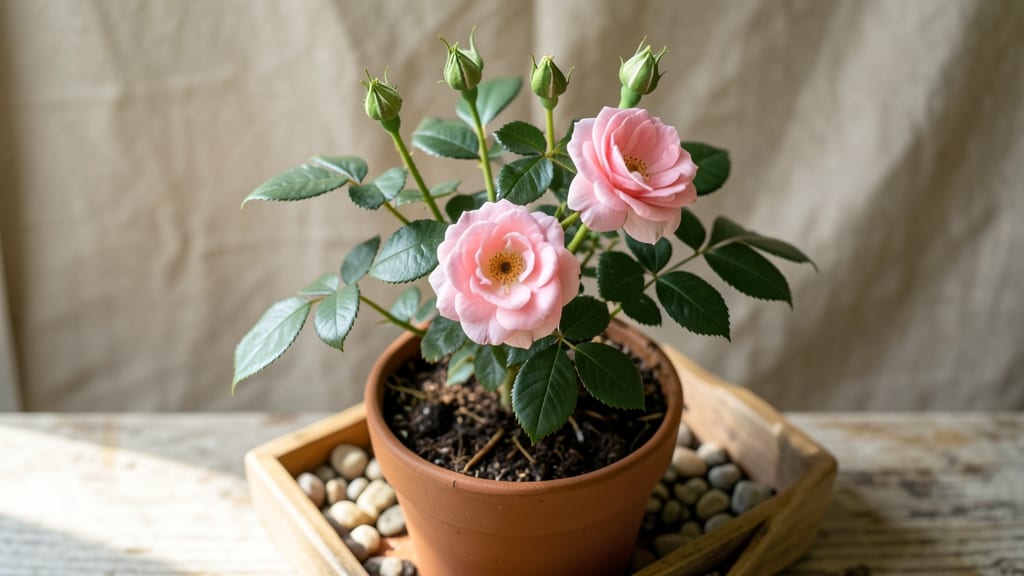
Growing a rose plant indoors with just 4 hours of light transforms any room into a fragrant sanctuary. 🌹 I started with a single patio rose in my dim apartment, and within months, it became the showstopper of my space—without needing a sunroom or greenhouse.
The secret isn’t fancy equipment but matching the right variety to your light, soil, and care routine.
Miniature roses and patio varieties thrive indoors because they adapt to smaller spaces and lower light than their outdoor cousins. You’ll need a well-draining pot (at least 10 inches wide) filled with a mix of potting soil and perlite to keep roots happy.
A grow light on a timer becomes your best friend if natural light is scarce—just 4 hours daily keeps them blooming like they’re outside.
Watering is where most people stumble: too much turns roots soggy, too little stresses the plant. Let the top inch of soil dry before watering, and mist the leaves weekly to mimic humidity.
Feed with a balanced fertilizer every 4–6 weeks in spring and summer, and prune leggy stems to encourage bushier growth. The payoff? Roses that bloom year-round with minimal effort.
Leggy growth? Simply rotate the pot weekly so all sides get even light. Yellow leaves? Check drainage—indoor roses hate soggy feet. With these tweaks, your indoor rose will outshine store-bought bouquets and last for seasons. Ready to grow yours?
📚 In This Guide
- What you need
- Instructions
- Tips and common mistakes
- Wrapping up and next steps
What you need
- ● Rose plant: Choose a dwarf or mini rose variety (like 'Fairy' or 'Patio' roses) or a healthy cutting from a florist.
- ● Pot: 1–2 gallon container with drainage holes (terracotta or ceramic works best).
- ● Potting mix: 1 bag of well-draining, organic rose-specific soil or a blend of 50% potting soil + 50% perlite/pumice.
- ● Drainage tray: 1 shallow tray to catch excess water.
- ● Fertilizer: Balanced liquid fertilizer (e.g., 10-10-10) or slow-release rose granules.
- ● Pruning shears: Clean, sharp scissors or shears (sterilize with rubbing alcohol).
- ○ Grow lights (optional but helpful): 1–2 full-spectrum LED grow lights (10W–20W per plant) for supplemental light.
- ● Humidity tray: A pebble tray with water to boost moisture levels.
- ● Plant supports: Small stakes or tomato cages for climbing varieties.
- ● Mulch: A thin layer of bark or coconut coir to retain moisture.
- ● pH test kit: To check soil acidity (ideal range: 6.0–6.5 for roses).
- ● Insecticidal soap: For pesky spider mites or aphids.
Step-by-Step instructions for growing a rose plant indoors
Here’s how to coax a healthy, blooming rose indoors—even with limited light.
🪴 Step 1: Choose the Right Container and Soil
Start with a 10-12 inch pot (or larger if growing multiple roses) that has drainage holes—this prevents root rot, which is the #1 killer of indoor roses. I use a terracotta pot because it breathes and helps regulate moisture. Fill the bottom 2 inches with gravel or perlite to create a drainage layer that keeps roots from sitting in water.
Next, mix 2 parts potting soil with 1 part perlite or sand for better aeration. This blend drains faster than regular soil, which is critical for roses—they hate soggy roots. Moisten the mix lightly before adding your plant, but don’t soak it. You want it damp, not dripping.
☀️ Step 2: Position for Optimal Light
Even with just 4 hours of sunlight, you’ll need to maximize what you have. Place your rose near the brightest window—south-facing is ideal, but east or west works too. If your window doesn’t get direct light, supplement with a grow light (LED or fluorescent) for 6-8 hours daily. I keep mine 6-12 inches away and adjust as the plant grows.
Rotate the pot a quarter turn weekly so the plant doesn’t lean toward the light. You’ll notice this when one side grows lanky while the other stays compact. Strong, even growth means your rose is happy—no stretching or weak stems.
💧 Step 3: Water and Fertilize for Blooms
Water when the top inch of soil feels dry—this usually means every 3-5 days, but adjust based on your home’s humidity. Stick your finger in the soil to check; if it’s damp, wait another day. Overwatering is the fastest way to kill an indoor rose. When you water, soak the soil thoroughly until water runs out the drainage holes, then empty the saucer to prevent root rot.
Feed your rose every 2 weeks with a balanced liquid fertilizer (10-10-10 or 20-20-20). Dilute it to half-strength to avoid burning the roots. I skip fertilizer in winter when growth slows naturally. You’ll see stronger stems and more buds when you’re consistent—just don’t overdo it.
✂️ Step 4: Prune and Encourage New Growth
Prune your rose after blooming to shape it and encourage more flowers. Cut back 1/3 of the plant in early spring, making cuts just above a leaf node (the bump where leaves grow). This might sound drastic, but it triggers bushier growth. Remove any dead, diseased, or crossing branches first—they steal energy from new blooms.
Pinch off spent blooms regularly (called "deadheading") to redirect the plant’s energy into new flowers instead of seed production. I do this every few days during bloom season. You’ll notice fresh buds forming within 2-3 weeks of pruning—it’s like hitting the reset button for your rose.
🌿 Step 5: Maintain Humidity and Watch for Pests
Roses love humidity—aim for 40-50% in the air. If your home is dry, place the pot on a pebble tray filled with water (just make sure the pot isn’t sitting in water). Mist the leaves 2-3 times a week, but avoid doing this in direct sunlight to prevent fungal issues. You’ll see shiny, healthy leaves when humidity is right.
Check the undersides of leaves weekly for pests like aphids or spider mites. Wipe leaves with a damp cloth to remove dust, which helps the plant breathe. If you spot pests, treat with neem oil (mix 1 tsp with 1 quart of water and spray lightly). Act fast—pests spread quickly and weaken your rose.
Tips & tricks for thriving indoor roses
These simple strategies will help you coax vibrant blooms from your indoor rose—even when sunlight is limited.
Container and Drainage: Terracotta pots are ideal because they wick away moisture, but if you use plastic, monitor soil dryness more closely. The 2-inch gravel layer in Step 1 isn't just for drainage—it also prevents the pot from sitting in standing water, which can suffocate roots. I've seen roses thrive in recycled containers too, as long as they have drainage holes drilled in the bottom.
Light Strategy: The 4 hours of sunlight mentioned in Step 2 is your baseline, but don't stop there. If your rose starts stretching toward the light (a sign of etiolation), it's getting too little. Move it closer to the window or add a grow light for those extra 6-8 hours daily. I've had great success with LED grow lights placed just 6 inches away from the plant—closer than the suggested range—for more intense light penetration.
Watering Wisdom: The "top inch dry" test in Step 3 works, but here's what nobody tells you: Stick your finger in the soil at different depths. If the top inch is dry but lower levels are still damp, wait another day. Roses hate soggy feet! Also, water in the morning so excess moisture evaporates during the day rather than sitting in the saucer overnight.
Pruning Precision: When you cut back 1/3 of the plant in Step 4, make sure your cuts are at a 45-degree angle just above a leaf node. This prevents water from pooling on the cut and reduces disease risk. I've found that pruning just after a bloom cycle (when new growth is already starting) gives the plant the best chance to recover quickly and produce fresh buds within those 2-3 weeks.
Pro Tips for Rose Plant Indoors
- These simple strategies will help you coax vibrant blooms from your indoor rose—even when sunlight is limited.
- Container and Drainage: Terracotta pots are ideal because they wick away moisture, but if you use plastic, monitor soil dryness more closely.
- Light Strategy: The 4 hours of sunlight mentioned in Step 2 is your baseline, but don't stop there.
Frequently asked questions
Got questions about keeping roses thriving indoors? You’re not alone! Here are some of the most common concerns—plus straightforward answers to help your indoor rose plant flourish with ease.
Can I grow roses indoors year-round without sunlight?
Yes! With just 4 hours of bright, indirect light daily (like a south-facing window or grow lights), your indoor rose can thrive. Supplement with a full-spectrum LED grow bulb if natural light is limited. Just avoid harsh direct sun, which can scorch delicate petals.
How often should I water my indoor rose?
Water when the top 1–2 inches of soil feel dry—usually every 5–7 days, depending on humidity. Overwatering is the #1 killer, so use a pot with drainage holes and let excess water drain away. Pro tip: Stick your finger in the soil to check moisture levels!
What’s the best soil mix for indoor roses?
Use a well-draining potting mix blended with perlite or sand (ratio: 60% soil, 40% amendment). Avoid heavy garden soil—it compacts and suffocates roots. A light, airy mix prevents root rot and encourages healthy growth. Repot every 2–3 years or when roots crowd the container.
Why are my rose leaves turning yellow or dropping?
Yellow leaves often signal overwatering or nutrient deficiency. Check for:
- Root rot: Brown, mushy roots? Let the soil dry out and trim affected roots.
- Nitrogen deficiency: Feed with a balanced rose fertilizer (10-10-10) every 4–6 weeks.
- Pests: Inspect for aphids or spider mites—spray with neem oil if needed.
Can I grow miniature roses indoors instead of full-sized ones?
Miniature or patio roses are perfect for indoors—they’re compact, low-maintenance, and bloom prolifically. Varieties like ‘Fairy’ or ‘Tea Rose’ thrive in pots and need less pruning. Just ensure they get enough light and airflow to prevent disease.
Bonus Tip: Prune for Health!
Trim dead or crowded stems in early spring to encourage bushier growth. Use clean, sharp scissors and sterilize them with rubbing alcohol between cuts. Pro tip: Prune at a 45-degree angle just above a leaf node for faster regrowth!
Wrapping up and next steps
Growing a rose plant indoors is absolutely doable—even with just 4 hours of light daily! With the right care, proper lighting, and a little patience, you’ll enjoy fragrant blooms and lush greenery year-round.
Whether you’re a beginner or a seasoned plant parent, this guide has given you all the tools to succeed.
Now that you’re ready, take the next step—pick your favorite rose variety, gather your supplies, and start your indoor garden journey. Your home deserves that touch of elegance! 🌹✨