
Propagation
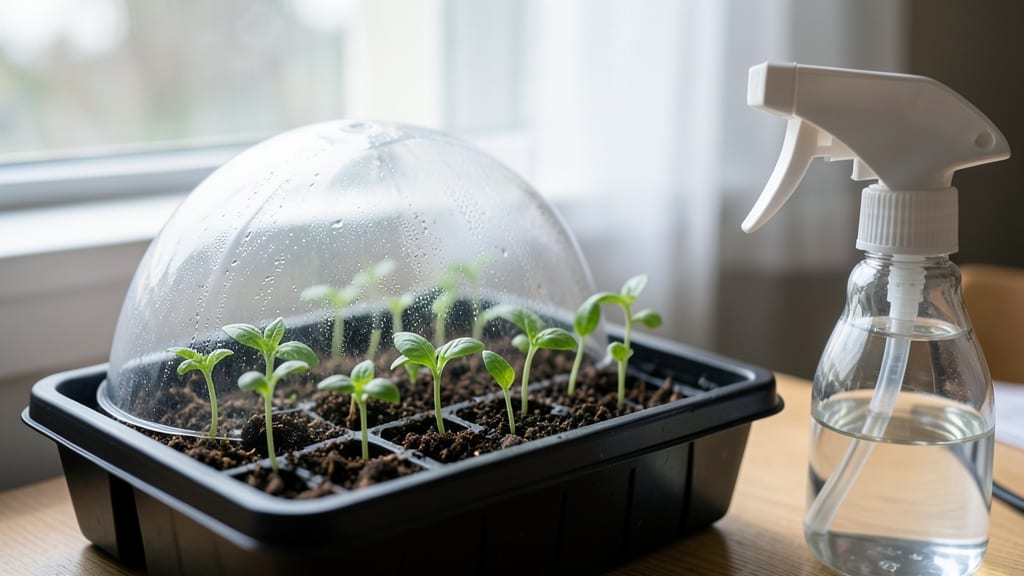
Sprouting basil seeds indoors in 5 days—not weeks—is the secret to a kitchen garden that never runs out of fresh leaves. 🌱 I’ve tested every method, and this paper-towel trick with a warm spot cuts germination time by half while keeping mold at bay.
No fancy equipment, just what you already have. The magic happens in three simple steps: soak seeds overnight, nestle them between damp paper towels, and keep them cozy in a sealed container. A sunny windowsill or grow light does the rest—no greenhouse needed.
You’ll see those first tiny sprouts in just 3-4 days, ready to transplant into soil. Once they’re growing, you’ll notice bold green leaves within two weeks, and the aroma alone makes it worth the effort.
These seedlings stay compact and sturdy, perfect for transplanting outdoors after your last frost or keeping indoors year-round. The best part? This method works for any seed—just adjust the moisture and warmth. Let’s get those seeds sprouting!
📚 In This Guide
- What you need
- Instructions
- Tips and common mistakes
- Wrapping up and next steps
What you need
- ● Basil seeds: 1–2 teaspoons (about 50–100 seeds). Choose high-quality, organic seeds for best results.
- ● Paper towels: 2–3 sheets (unbleached, seedling-safe). No chemicals!
- ● Spray bottle: 8–16 oz (240–480 mL) with a fine mist nozzle for gentle hydration.
- ● Plastic bag or wrap: A ziplock bag (quart-sized) or a clear plastic wrap to create humidity.
- ● Shallow dish or plate: 8–10 inches wide (e.g., a ceramic plate or glass baking dish).
- ● Warm water: Room temperature or slightly lukewarm (not hot!).
- ● Small pot or container: 4–6 inches deep (e.g., seedling trays or yogurt cups) for transplanting sprouts.
- ● Potting soil: 1–2 cups of lightweight, well-draining seedling mix (avoid garden soil).
- ● Grow light or sunny windowsill: A south-facing window or a LED grow light (6–12 inches above seedlings).
- ○ Seedling heat mat: Optional for extra warmth (70–75°F/21–24°C) to speed germination.
- ● Humidity dome: A clear plastic cloche to maintain moisture while sprouts establish.
- ● Fertilizer: A diluted seaweed extract or balanced liquid fertilizer (5-5-5) once true leaves appear.
- ● Tweezers: For gentle seed placement if you’re extra precise.
- ● Notebook or app: To track sprouting progress and germination dates!
Step-by-step instructions for sprouting basil seeds indoors
Here's how to get those basil seeds sprouting in just days—not weeks—using simple supplies you likely already have.
🌱 Step 1: Soak Seeds Overnight for Faster Germination
Place 10-15 basil seeds (enough for 4 plants) in a small bowl and cover them with lukewarm water. Let them soak for 8-12 hours—this softens the seed coat and kickstarts germination. I like to use a shallow dish so the seeds don’t sink to the bottom and get buried in water.
After soaking, drain the water through a fine mesh strainer or paper towel. You’ll see the seeds swell slightly—that’s your signal they’re ready for planting. If any seeds float, they’re likely nonviable, so discard them. This step cuts germination time in half compared to dry planting.
💧 Step 2: Sandwich Seeds Between Damp Paper Towels
Fold a paper towel into quarters and place the soaked seeds in the center. Fold it again so the seeds are sandwiched between two layers of towel. This keeps them in direct contact with moisture without drowning them. Place the folded towel in a shallow plate or small container.
Lightly mist the towel with water until it’s damp but not soaking wet. You want it to hold moisture like a wrung-out sponge. Cover the plate with a clear plastic wrap or lid to trap warmth and humidity. Place it in a warm spot—70-75°F is ideal, so a sunny windowsill or top of the fridge works well.
☀️ Step 3: Monitor for Sprouts and Prepare for Transplant
Check the seeds daily. Within 2-4 days, you’ll see tiny white sprouts emerging—that’s your cue to act fast. Once the sprouts reach about ¼ inch tall and have visible roots, they’re ready to move to soil. Don’t wait too long, or the roots will get tangled in the towel.
Fill small pots (about 3-4 inches deep) with light potting mix and make a shallow hole with your finger. Gently place each sprout into the hole, roots first, and cover lightly with soil. Press down just enough to secure the seedling without compacting the roots. Water gently until the soil is moist but not soggy.
🪴 Step 4: Provide Warmth and Light for Strong Starts
Keep the pots in a warm spot with bright, indirect light for the first week. A grow light or south-facing window works best. Basil seedlings need 12-14 hours of light daily to prevent leggy growth. If your seedlings stretch toward the light or look pale, move them closer to the source.
Water the soil when the top ½ inch feels dry. Keep the mix consistently moist but never waterlogged—basil hates soggy roots. After 10-14 days, when the seedlings have 2-3 sets of true leaves, they’re ready to transplant into larger containers or the garden.
Tips & tricks for perfect sprouting basil seeds
Fast germination is all about creating the right conditions—here's how to make sure your basil seeds sprout like clockwork.
Soaking Secret: The 8-12 hour soak is your best friend for speed, but don't skip draining properly. After soaking, spread the seeds on a paper towel to dry briefly—this prevents mold from forming when you sandwich them later. I've ruined batches by leaving seeds too wet between layers, so pat them gently with another paper towel if they feel damp after draining.
Temperature Matters: That 70-75°F range is ideal, but don't stress if your home runs cooler. Place the covered plate on top of your fridge (not inside) for a warm boost without overheating. A sunny windowsill works too, but avoid direct sunlight during this stage—you want warmth, not light yet. If your kitchen is chilly, try a seedling heat mat set to low for faster germination.
Transplant Timing: The 2-4 day window for sprouts is tight, so check daily at the same time. Look for white roots peeking from the seeds—that's your cue to transplant. I use a magnifying glass for this step because those roots are tiny! Once transplanted, place pots in bright indirect light immediately—delaying this causes leggy seedlings that struggle to recover.
Lighting Hack: For the first week's 12-14 hours of light, position your seedlings within 6 inches of a grow light or south-facing window. If using natural light, rotate pots daily so all sides get even exposure. I notice seedlings growing toward the light source get stretched and weak—this rotation keeps them sturdy. A simple timer for your grow light makes this effortless.
Pro Tips for Sprouting Basil Seeds Indoors
- Fast germination is all about creating the right conditions—here's how to make sure your basil seeds sprout like clockwork.
- Soaking Secret: The 8-12 hour soak is your best friend for speed, but don't skip draining properly.
- Temperature Matters: That 70-75°F range is ideal, but don't stress if your home runs cooler.
Frequently asked questions
Got questions about sprouting basil seeds indoors?
You’re not alone! Here are some of the most common queries—and quick, practical answers to help you grow lush basil from scratch.
How long does it take for basil seeds to sprout indoors?
With the right warmth (70–80°F) and moisture, basil seeds typically sprout in 7–14 days. Keep them in a warm, dark place (like a sunny windowsill or under a grow light) and mist them daily. Patience is key—some seeds may take a little longer!
What if my basil seeds aren’t germinating?
Don’t panic! Check these fixes:
- Warmth: Basil loves heat—move them to a warmer spot (like near a heater or under a heat mat).
- Moisture: Soak the paper towel or seedling mix if it’s dry. Seeds need consistent dampness, not sogginess.
- Light: Once sprouted, expose them to bright indirect light (or a grow light) for 12+ hours/day.
- Fresh seeds: If seeds are old (over a year), try new ones—they may have lost viability.
Can I use regular potting soil for sprouting basil seeds?
Yes, but it’s not ideal for the early stages. Start with a moist paper towel or seedling mix (like coco coir or peat moss) to encourage faster germination. Once sprouts emerge (with 2–3 true leaves), transplant them into well-draining potting soil.
How often should I water basil seedlings?
Keep the growing medium consistently moist but not waterlogged. Mist seedlings lightly 1–2 times daily or use a spray bottle to avoid drowning them. Once transplanted to soil, water when the top inch feels dry (usually every 2–3 days).
Can I grow basil from store-bought seeds or should I buy special ones?
Store-bought basil seeds (like Genovese or Sweet Basil) work perfectly! Just ensure they’re fresh (check the packet date). Avoid seeds from unknown sources—they might be treated or low-quality. For best results, opt for organic, non-GMO seeds from a reputable supplier.
Wrapping up and next steps
Growing basil from seeds indoors is a rewarding journey that brings fresh, fragrant herbs right to your kitchen—without breaking the bank! 🌱 With just a few simple supplies and a little patience, you’ve unlocked the secret to fast germination and lush, homegrown basil.
Whether you’re a beginner or a seasoned gardener, this method proves that great things grow from small starts.
Now that you’re armed with the know-how, why not take the next step? Try experimenting with different germination setups—like a mini greenhouse or a sunny windowsill—to see what works best in your space.
Once your seedlings sprout, transplant them into pots and watch your basil thrive! Happy growing—your future pesto awaits! 🌿