
Container Gardens
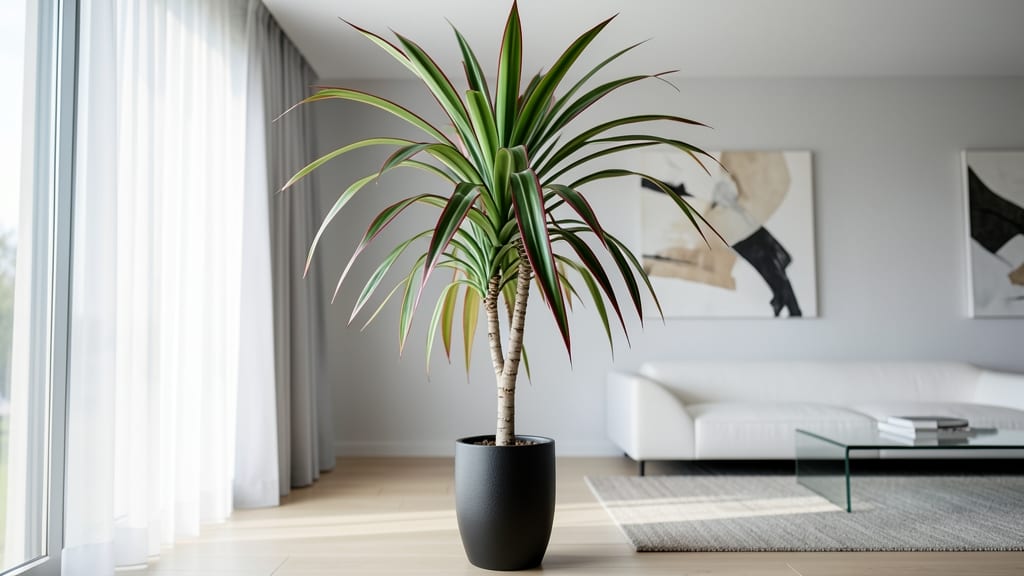
Tall indoor plant pots turn tiny corners into lush vertical gardens. 🌿 I’ve transformed my cramped apartment by stacking plants in sleek ceramic vessels—snake plants reaching toward the ceiling, fiddle-leaf figs thriving in self-watering towers.
The right pot doesn’t just hold a plant; it elevates your space while keeping foliage happy. Material matters: terracotta breathes for moisture-sensitive plants like calatheas, while ceramic adds weight and style for statement pieces.
Size is key too—snake plants need 12-18 inches deep, but fiddle-leaf figs demand 20+ inches to support their roots. A 6-inch diameter base stabilizes taller pots and prevents tipping. You’ll love how these vertical displays clean the air while saving floor space.
My 18-inch tall olive tree pot now anchors my living room, its glossy leaves framing the bookshelf. The best part? You can mix textures—matte clay with a glossy finish—to match any decor. For small spaces, start with one 24-inch pot as a focal point, then layer smaller pots on shelves.
Avoid overcrowding roots; give each plant its own breathing room. Now, let’s pick the perfect pot for your plant collection!
📚 In This Guide
- What you need
- Instructions
- Tips and common mistakes
- Wrapping up and next steps
What you need
- ● Tall Plant Pots: 1–3 pots (depending on your setup), 12–24 inches tall, with drainage holes (e.g., ceramic, concrete, or self-watering fabric pots).
- ○ Optional: Decorative cache pots (non-functional outer pots) for a polished look.
- ● Potting Mix: 1–2 bags (5–10 quarts) of well-draining soil (e.g., cactus/succulent mix for drought-tolerant plants or peat-based for tropical varieties).
- ● Plants: 1–3 tall, trailing, or compact plants (e.g., Snake Plant, Pothos, Spider Plant, or Fiddle Leaf Fig). Check their mature height—aim for 3–6 feet for vertical impact!
- ● Tools: 1 small trowel or spoon for planting.
- ○ 1 pair of gardening gloves (optional but handy!).
- ● 1 watering can or spray bottle (with a narrow spout for tall pots).
- ● Decorative elements: Moss, pebbles, or decorative stones for a natural aesthetic.
- ● Plant stands or risers (if pots need extra height).
- ● LED grow lights (for low-light areas).
- ● Self-adhesive plant labels (to track care needs!).
Step-by-Step guide to styling tall indoor plant pots vertically
Transform cramped spaces into lush vertical gardens with these practical techniques.
🪴 Step 1: Select the Right Containers for Vertical Growth
Choose narrow, deep pots (at least 12-18 inches tall) with drainage holes to support vertical plants like snake plants, pothos, or ferns. I prefer terra cotta or fiberglass because they wick moisture away from roots—critical for preventing rot in stacked systems. For a cohesive look, stick to one material or finish (matte black, glossy white, or natural clay) to avoid visual clutter.
If you're using hanging pockets or wall-mounted planters, ensure each pocket is at least 6 inches deep to accommodate root systems. Test-fit your plants before purchasing—some varieties (like spider plants) grow aggressively and need extra space. I always measure the plant's mature height and add 2-3 inches to account for foliage spread.
☀️ Step 2: Position for Optimal Light Exposure
Tall indoor plants need bright, indirect light—place them within 3-5 feet of a south- or west-facing window. If your space lacks natural light, supplement with a full-spectrum LED grow light positioned 12-18 inches above the tallest pots. Rotate pots quarter-turn weekly to prevent leaning toward the light source.
Watch for signs of light stress: yellowing leaves or elongated stems (called "etiolation") mean your plants need more light. If you notice crispy brown edges, they're getting too much direct sun—move them 6 inches farther back from the window. For stacked arrangements, place the sun-loving plants (like succulents) at the top and shade-tolerant varieties (like ferns) at the bottom.
💧 Step 3: Master Watering for Vertical Stability
Water from the top down, letting excess drain completely through the bottom pot. For stacked systems, place a saucer or tray beneath the lowest pot to catch runoff and prevent water damage to surfaces. I water tall plants every 7-10 days, checking if the top 2 inches of soil feel dry before rewatering—overwatering is the fastest way to destabilize a vertical garden.
Use a moisture meter or stick your finger 1 inch into the soil to gauge dryness. If the soil feels damp, wait another day. For hanging pockets, water until you see moisture dripping from the bottom—this ensures even distribution. Mulch the soil surface with orchid bark or coconut coir to slow evaporation and keep roots consistently moist without soggy conditions.
✂️ Step 4: Prune and Train for Vertical Harmony
Trim leggy stems to encourage bushier growth and prevent top-heavy instability. For trailing plants like pothos, gently weave new growth through the pot's drainage holes or along a trellis to create natural vertical layers. I prune every 4-6 weeks, cutting just above a leaf node (the bump where leaves grow) to promote branching.
If a plant outgrows its pot, repot it into a slightly larger container (only 2 inches wider than the current pot) to maintain stability. For dramatic vertical impact, combine plants with varying textures—like a spiky snake plant paired with a fuzzy lamb's ear—so each level adds visual interest. Avoid overcrowding; give each plant at least 6 inches of space to prevent competition for light and nutrients.
🪴 Step 5: Secure and Style for Long-Term Stability
Use L-shaped wall brackets or heavy-duty adhesive hooks to mount pots securely, distributing weight evenly. For freestanding arrangements, place the heaviest pots at the bottom and secure them with non-slip pads to prevent tipping. I group pots by height, starting with the tallest at the back and shortest in front, to create a cascading effect.
Add decorative elements like macramé hangers, woven baskets, or metallic planters to elevate the look without sacrificing function. For a cohesive theme, choose a color palette (e.g., earthy terracotta or sleek monochrome) and stick to it. Regularly check for loose pots or sagging plants—adjust as needed to keep everything balanced and visually appealing.
Tips & tricks for perfect vertical indoor plant arrangements
Transforming your vertical space into a thriving garden takes more than just placing pots—it's about strategic planning and plant care. Here are the essentials to ensure your tall indoor plant pots stay beautiful and stable.
Container Depth Matters: The 12-18 inch height recommendation isn't arbitrary—it ensures proper root development for vertical plants like snake plants and pothos. For hanging pockets, that 6-inch minimum depth is non-negotiable; shallow pockets lead to root binding and stunted growth. I've seen spider plants outgrow their containers in months, so always measure mature plant height and add those extra 2-3 inches for foliage spread. This prevents the classic "plant too big for pot" disaster that causes top-heavy instability.
Light Strategy for Stacked Systems: That quarter-turn weekly rotation in Step 2 prevents plants from leaning toward light sources, which is especially critical in stacked arrangements where lower plants might get shaded. For the 12-18 inch grow light positioning, I recommend using a small clamp light on a flexible arm—it gives you precise control over light distribution without taking up floor space. Place sun-loving plants at the top where they'll get maximum exposure, while shade-tolerant varieties at the bottom won't get scorched by reflected light.
Watering Precision: The 7-10 day watering schedule assumes average indoor humidity—adjust if your home is particularly dry (water every 5-7 days) or humid (every 10-12 days). That top 2 inches soil check is crucial; deeper soil can remain moist while the surface dries, leading to overwatering. For hanging pockets, the dripping method ensures water reaches all roots, but be mindful—excess moisture dripping onto surfaces below can cause mold. Always place a tray or saucer underneath to catch runoff and maintain cleanliness.
Pruning for Stability: Those 4-6 week pruning intervals might seem frequent, but they're essential for preventing top-heavy growth. When cutting above leaf nodes, make clean cuts with sharp scissors to avoid damaging the stem. For trailing plants, gently weaving new growth through drainage holes creates natural vertical layers without requiring additional support structures. This technique also helps distribute weight more evenly throughout the pot, reducing tipping risks.
Pro Tips for Indoor Plant Pots Tall
- Transforming your vertical space into a thriving garden takes more than just placing pots—it's about strategic planning and plant care.
- Container Depth Matters: The 12-18 inch height recommendation isn't arbitrary—it ensures proper root development for vertical plants like snake plants and pothos.
- Light Strategy for Stacked Systems: That quarter-turn weekly rotation in Step 2 prevents plants from leaning toward light sources, which is especially critical in stacked arrangements where lower plants might get shaded.
Frequently asked questions
Got questions about maximizing your space with tall indoor plant pots? You’re not alone! Here are answers to the most common queries to help you grow confidently.
What’s the best height for tall indoor plant pots?
There’s no one-size-fits-all answer, but aim for 18–36 inches tall for most homes. Taller pots (up to 48 inches) work well in sunrooms or near large windows, while shorter ones (12–18 inches) suit small spaces. Consider your plant’s mature size—succulents thrive in shorter pots, while fiddle-leaf figs or snake plants may need deeper, taller vessels.
How often should I water tall indoor plant pots?
Watering frequency depends on pot material and plant type. Terracotta dries faster than ceramic or plastic, so check soil moisture weekly (stick your finger 1–2 inches deep). Tall pots with drainage holes may need watering every 7–14 days, while sealed containers could go 3–4 weeks. Pro tip: Group pots together to create a microclimate and reduce evaporation!
Can I use tall pots in small apartments without overcrowding?
Opt for slim, vertical designs or wall-mounted planters to save floor space. Place pots in corners, along bookshelves, or near windowsills. For extra savings, choose self-watering tall pots to reduce maintenance. Just ensure your plants get 6+ hours of indirect light—tall pots can create shade for lower leaves!
What if my tall plant pot tips over easily?
Stability is key! Use pots with a wide base or weighted design, or add gravel/sand to the bottom for extra heft. For extra security, place them in corner nooks or against walls. If your plant is top-heavy (like a monstera), consider a supportive trellis or stake inside the pot to distribute weight.
Are there budget-friendly alternatives to expensive tall pots?
Yes! Repurpose glass jars, mason containers, or even upcycled buckets with drainage holes. Thrift stores often have ceramic pots under $10. For a DIY touch, paint plain pots with non-toxic acrylic paint or wrap them in burlap for a rustic look. Just ensure materials are plant-safe—avoid treated wood or plastic without ventilation!
Wrapping up and next steps
Transforming your space with tall indoor plant pots is a game-changer—whether you’re a plant enthusiast or just love the vibe of lush greenery. These vertical solutions maximize your decor while keeping your plants thriving in even the coziest corners.
The key? Choosing the right pot, plant, and placement to create a stunning, functional display that brightens up any room.
Ready to dive in? Start small—pick one tall pot and a low-maintenance plant like a snake plant or pothos. Once you’ve mastered the basics, expand your collection and experiment with textures, heights, and styles. Your future self (and your plants!) will thank you. Happy gardening! 🌿✨