
Container Gardens
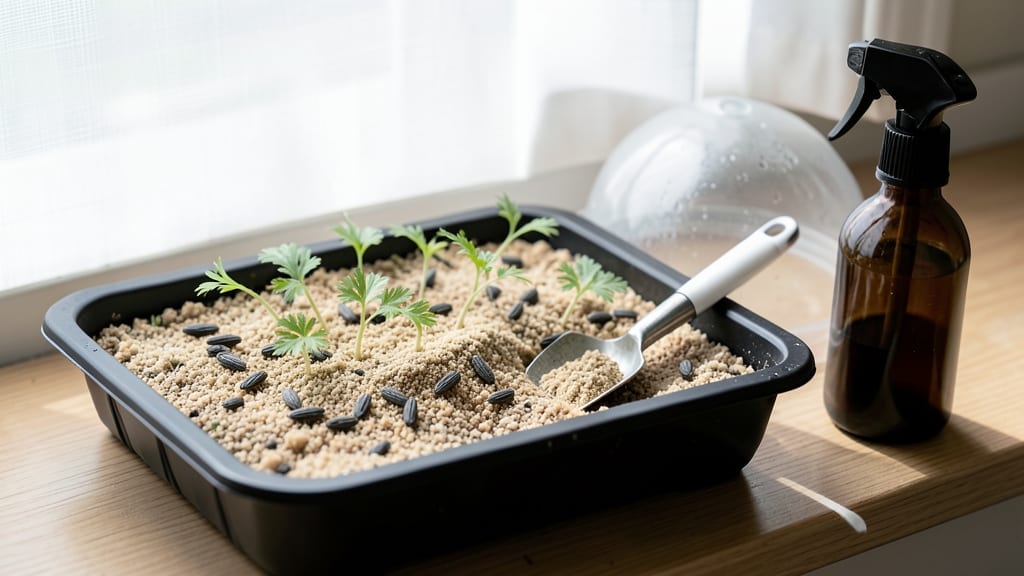
Starting poppy seeds indoors fast begins with a warm, cozy setup—no more waiting weeks for those delicate blooms to emerge. 🌱 I learned the hard way that poppies despise damp soil and cold drafts, so I now use a simple heat mat and clear lid to create their ideal tropical nursery environment.
The secret lies in keeping the soil barely moist and the air warm enough to trick them into thinking spring has arrived early.
You’ll need just a few supplies: seed-starting mix (light and airy), small containers with drainage, a heat mat or warm spot, and a clear plastic lid or plastic wrap to trap humidity. Poppies hate being crowded, so use individual pots or cells to avoid transplant shock later.
The key is patience—these seeds germinate in 7-14 days if conditions are perfect, but they won’t tolerate soggy soil or temperature swings.
Once those first tiny leaves appear, you’ll know you’re on the right track—thin seedlings to one per pot and move them to bright light immediately. Poppies grow fast but need strong light to avoid becoming leggy.
By the time they’re ready to transplant, you’ll have sturdy, dark-green seedlings that’ll bloom in 8-10 weeks if given space to stretch their roots.
This method works for both annual poppies and biennials, though some varieties benefit from a brief cold snap before transplanting. The payoff? Vibrant blooms that outshine anything store-bought, all from seeds you started yourself. Here’s how to avoid the common pitfalls along the way.
📚 In This Guide
- What you need
- Instructions
- Tips and common mistakes
- Wrapping up and next steps
What you need
- ● Poppy seeds: Choose Papaver species like Papaver rhoeas (corn poppy) or Papaver somniferum (opium poppy, non-narcotic varieties). Buy 1–2 packets (500–1,000 seeds) for a generous start.
- ● Seed-starting trays or containers: Use 4–6" deep trays with drainage holes (or repurpose small pots). 4–6 trays work for bulk starts.
- ● Seed-starting mix: A lightweight, sterile mix (e.g., 50% peat/50% perlite or coconut coir). Avoid garden soil—it’s too dense! 1–2 cubic feet per tray.
- ○ Heat mat (optional but highly recommended): Poppies thrive in 70–85°F soil. A seedling heat mat (12"x24" or larger) speeds germination.
- ● Plastic wrap or humidity dome: Keeps moisture high until germination (2–3 weeks). A clear plastic lid or saran wrap works.
- ● Spray bottle: For gentle watering—avoid drowning seeds!
- ● Grow lights or sunny windowsill: Poppies need 12–16 hours of light daily. A LED grow light (12–24W) or a south-facing window suffices.
- ● Fine-tip tweezers: For precise seed placement (poppy seeds are tiny!).
- ● Fertilizer (low-dose): Use a balanced liquid fertilizer (5-5-5 or 10-10-10) diluted to ¼ strength after germination.
- ○ Thermometer (optional): Monitor soil temp—poppies won’t germinate below 60°F.
- ● Transplanting tweezers or small shovel: For moving seedlings later.
- ● Labels & markers: Track varieties (poppies look similar early on!).
Step-by-Step instructions for starting poppy seeds indoors
Poppies germinate fast when you control warmth and moisture—here’s how to get them sprouting in days.
🌱 Step 1: Prepare Containers and Seed Starting Mix
Use small pots or a seed tray with drainage holes—poppy seeds need room to grow without crowding. Fill them with a light, sterile seed-starting mix (never garden soil). Press the mix down gently so it’s firm but not compacted. I like to add a thin layer of perlite to the bottom for extra drainage—poppy roots hate soggy conditions.
Moisten the mix until it feels like a damp sponge, not dripping wet. You’ll know it’s right when a handful holds together but crumbles easily. Poppies need consistent moisture to germinate, but overwatering smothers them before they sprout. Place your containers in a warm spot—70-75°F is ideal for fast germination.
🌱 Step 2: Sow Seeds Shallowly and Keep Them Warm
Poppy seeds are tiny, so I use a toothpick to place just 1-2 seeds per cell or ¼ inch deep in the soil. Cover them with a light dusting of mix—don’t press down, or they’ll struggle to break through. Label your containers because poppy seedlings look identical at first.
Cover the tray with plastic wrap or a humidity dome to trap warmth and moisture. Poppies germinate best in 7-10 days when kept at 70-75°F. Place the tray on a seedling heat mat if possible—this cuts germination time in half. Check daily for condensation; if the plastic fogs up, lift it for 10 minutes to prevent mold.
☀️ Step 3: Provide Light and Prevent Leggy Growth
As soon as you see the first green sprouts, remove the plastic and move seedlings to bright, indirect light. A south-facing window works, but poppies grow leggy fast if light is weak. I use a grow light on a timer for 14-16 hours daily—keep it 2-3 inches above the seedlings to avoid burning them.
Watch for the first true leaves (the second set after the initial cotyledons). These will be more defined and look like tiny poppy leaves. If seedlings stretch toward the light, they need more intensity. Rotate the tray daily so they grow straight—not leaning.
💧 Step 4: Water Lightly and Thin Carefully
Poppy seedlings are delicate—water only when the top inch of soil feels dry. Use a spray bottle to mist the soil gently, avoiding the stems. Overwatering causes damping-off, a fungal disease that turns stems mushy overnight. If you see yellowing or wilting, reduce watering immediately.
When seedlings have 2-3 sets of true leaves (about 3-4 weeks), thin to the strongest plant per cell. Use scissors to snip weak seedlings at soil level—don’t pull, or you’ll disturb roots. Poppies resent being crowded, so give them space to grow.
⏰ Step 5: Harden Off Before Transplanting Outdoors
Two weeks before your last frost, start hardening off seedlings by placing them outside in a sheltered spot for 1-2 hours daily. Gradually increase time over 7-10 days, ending with full sun exposure. Poppies are frost-sensitive, so wait until soil is warm before transplanting—50°F or above is safe.
Transplant on a cloudy day to reduce shock. Poppies thrive in full sun and well-draining soil. Space them 6-12 inches apart depending on the variety. Water deeply after planting to help roots establish—you’ll see blooms in as little as 6-8 weeks with proper care.
Tips & tricks for fast poppy seed germination indoors
Here's what nobody tells you about speeding up those stubborn poppy sprouts—these tricks cut waiting time in half.
Warmth is Everything: That 70-75°F range in Step 1 isn't just ideal—it's critical. I keep my seed trays on top of my refrigerator during germination because it maintains consistent warmth without needing a heat mat. If your kitchen runs cooler, place containers near a sunny window during the day and move them to a warm spot at night. Poppies won't germinate reliably below 65°F, so don't skip this step if you're impatient for those first green shoots.
Light Dusting Technique: When covering those tiny poppy seeds in Step 2, use a fine-mesh strainer to sift just a light layer of seed-starting mix over them. Pressing down too firmly creates a barrier that prevents sprouts from breaking through. Think of it like dusting powdered sugar—just enough to cover but not weigh down. This simple adjustment can mean the difference between 7 days of waiting and 10 days of frustration.
Condensation Check: That 10-minute daily venting in Step 2 prevents mold better than any fungicide. I set a timer on my phone so I don't forget—condensation buildup creates the perfect environment for damping-off disease. If you notice tiny black spots on seedlings, it's already too late for those plants, but catching it early can save your whole tray. The plastic wrap isn't optional here; it's what creates the humidity poppies need to germinate quickly.
Light Intensity Test: In Step 3, when you're checking for leggy growth, hold your hand about 6 inches above the seedlings. If you can't feel warmth from the grow light, it's too far away. Poppies need strong light to prevent stretching, but too close causes burning. That 2-3 inch distance is your sweet spot—adjust until you can see slight shadowing on the soil surface when the light's on. This visual cue works better than measuring with a ruler every time.
Pro Tips for Starting Poppy Seeds Indoors
- Here's what nobody tells you about speeding up those stubborn poppy sprouts—these tricks cut waiting time in half.
- Warmth is Everything: That 70-75°F range in Step 1 isn't just ideal—it's critical.
- Light Dusting Technique: When covering those tiny poppy seeds in Step 2, use a fine-mesh strainer to sift just a light layer of seed-starting mix over them.
Frequently asked questions
Got questions about starting poppy seeds indoors?
You’re not alone—these delicate blooms can be tricky! Here are some of the most common concerns, answered in plain language to help you grow like a pro.
When is the best time to start poppy seeds indoors?
Poppy seeds need warmth to germinate, so start them 6–8 weeks before your last frost date (typically late winter to early spring). Use a heat mat (70–75°F) to speed up germination—cold soil can leave them sitting for weeks! If you’re in a warm climate, you can even direct-sow them in fall for early spring blooms.
Why aren’t my poppy seeds sprouting?
Poppies are fussy germinators—they need consistent moisture and warmth (not soggy soil!). If they’re not sprouting in 2–3 weeks, try these fixes:
- Press seeds lightly into soil (they need light to germinate—don’t bury them!).
- Use a heat mat or place trays on top of your fridge.
- Check for rot—overwatering is a common killer.
Can I grow poppies from store-bought seeds (like those in muffins)?
Technically yes, but it’s not ideal. Store-bought poppy seeds (from baked goods) are often processed or roasted, which reduces germination rates. For best results, use fresh, untreated poppy seeds from a garden center or reputable online seller. If you’re experimenting, try soaking the seeds overnight to soften their hard outer shell.
How do I harden off poppy seedlings before transplanting?
Poppies are sensitive to transplant shock, so harden them off gradually over 7–10 days:
- Start with 1–2 hours in partial shade, then increase daily.
- Avoid full sun at first—it can scorch tender leaves.
- Transplant on a cloudy day or in late afternoon to reduce stress.
What pests should I watch for with indoor poppy starts?
While indoors, poppy seedlings are most vulnerable to:
- Fungus gnats: Keep soil moist (not wet) and use yellow sticky traps.
- Damping off: Improve airflow with a small fan and avoid overcrowding.
- Aphids: Spray with soapy water if you spot clusters on leaves.
Wrapping up and next steps
Starting poppy seeds indoors is a rewarding way to jumpstart your garden—especially with the right warmth tricks! 🌱 With patience, the right tools, and a little cozy environment, you’ll soon be watching those delicate blooms emerge.
Once your seedlings are thriving, it’s time to plant them outdoors (or transplant into larger pots) when the soil is warm and frost-free.
Pro tip: Keep an eye on those seedlings—they grow fast! Before you know it, you’ll be enjoying vibrant poppies in your garden or container. Happy gardening! 🌸