
Plants
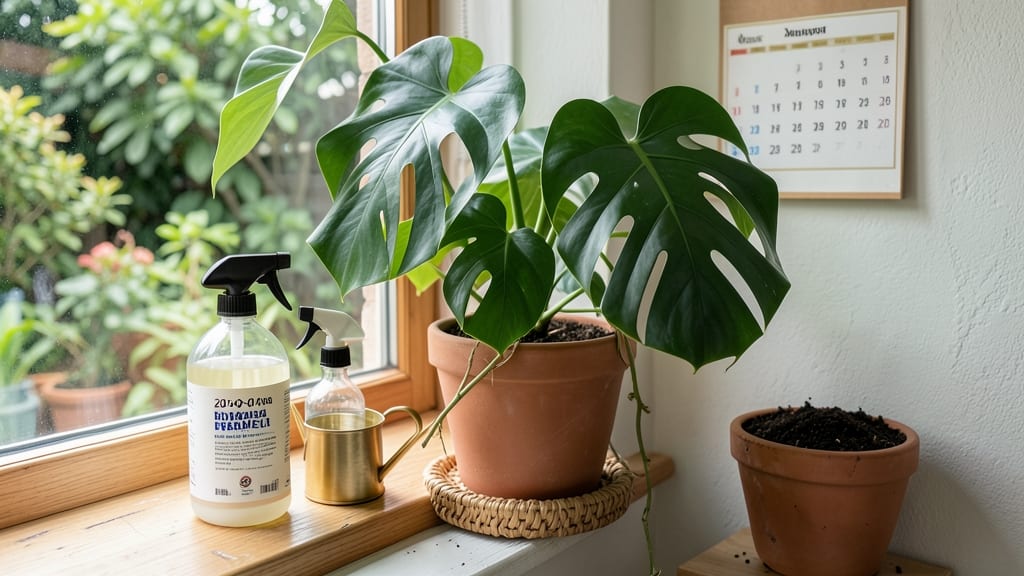
Fertilizing indoor plants at the right time can transform your leafy companions from struggling survivors to thriving showstoppers — and the key is all about matching their growth cycle.
Struggling to keep your indoor plants thriving? Timing your fertilizer schedule can make the difference between lush foliage and stunted growth. Too early, and you’re wasting nutrients; too late, and your plants miss the boost they need to bounce back after winter dormancy.
Most indoor plants 🌿 crave fertilizer in spring and summer, when they’re actively growing, but tropical varieties like ferns or calatheas might need a winter pick-me-up too.
The trick is reading their signals: yellowing leaves or slow growth often mean it’s time to feed, while crispy edges or salt buildup on soil scream "stop!"
Here’s the game-changer: a seasonal schedule that adjusts for plant type, light levels, and even your home’s temperature. You’ll learn exactly when to feed, how often, and what to watch for—so your green friends stay happy, healthy, and growing all year.

Best seasonal schedule for fertilizing indoor plants
Fertilizing indoor plants isn’t a one-size-fits-all task—it’s all about understanding their growth cycles and seasonal needs. While outdoor plants follow strict seasonal rhythms, indoor plants still respond to subtle changes in light intensity, temperature shifts, and even your home’s heating/cooling patterns.
The key is aligning your fertilizer schedule with these natural cues, even if they’re indoors. For example, fast-growing plants like pothos or bamboo palms need more frequent feeding, while slow growers like snake plants or ZZ plants thrive on a gentler approach.
Artificial lighting adds another layer—plants under grow lights often have extended growing seasons, meaning you might need to fertilize year-round (but still adjust frequencies). The goal? Feed your plants just enough to support growth without overwhelming their roots.
Over-fertilizing is a common mistake that leads to burned roots, yellowing leaves, or even plant death. Think of fertilizer as a slow-release snack, not a full meal.
Here’s how to break it down by month, accounting for both natural and artificial light setups. Use this as your indoor plant fertilization bible—adjust as needed based on your specific plants and their responses.