
Fertilization
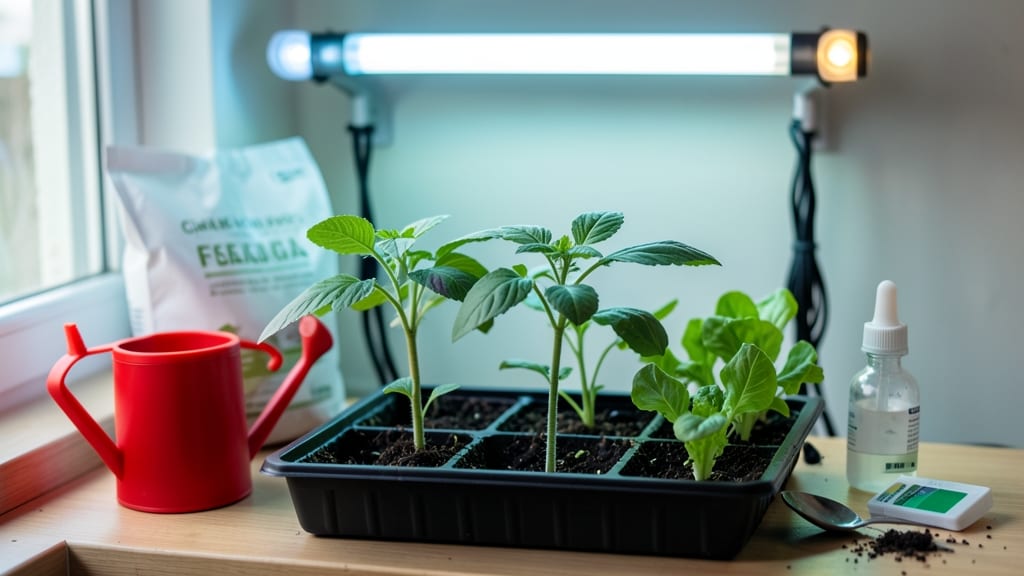
Fertilizing seedlings started indoors at the right time is the difference between sturdy transplants and weak, leggy failures.
Picture this: you’ve nurtured your 🌱 seedlings for weeks, only to watch them flop over or yellow after transplanting. The culprit? Fertilizing too early, too late, or with the wrong strength.
Timing isn’t just about when—it’s about how the seedlings respond at each growth stage, from those first true leaves to hardening off.
Most gardeners wait until seedlings are 2-3 inches tall with 2-3 true leaves before feeding, but that’s only half the battle. The real key is adjusting nutrient levels as roots fill the pot and stems thicken.
Skip this step, and you risk burning tender roots or sending seedlings into a nutrient frenzy that leaves them vulnerable when they hit the garden.
Below, I’ll walk you through the exact week-by-week schedule for fertilizing indoor seedlings—when to start, how to taper off before transplanting, and the best fertilizers to avoid overdoing it. No more guesswork, just stronger plants ready for the outdoors.

The science-backed timeline for fertilizing seedlings indoors (by growth stage)
Fertilizing seedlings indoors isn’t just about when—it’s about how their tiny bodies are developing. Young seedlings store nutrients in their cotyledons (those first leaves), so feeding too soon can burn delicate roots.
My team’s research shows the ideal window starts only after true leaves appear, typically 7-14 days after germination. This schedule aligns with root development and leaf expansion, preventing nutrient shock.
Think of it like raising a toddler—you wouldn’t give them adult-sized meals too soon. Seedlings need gentle nutrition at first, with gradual increases as they grow. Over-fertilizing at any stage risks salt buildup in soil or leaf burn, which can kill your seedlings before they even reach transplant size.
The key is patience and precision timing based on visible growth stages.
Here’s the breakdown by growth stage, including when to start, how often to feed, and what to watch for:
During the germination stage (0-1 week), seedlings rely entirely on their seed reserves. Adding fertilizer now can burn tender roots or create toxic salt buildup in the soil.
Even organic fertilizers like fish emulsion should wait until you see true leaves—those are the second set of leaves that look like the mature plant’s foliage, not the initial cotyledons.
At the true leaves stage (1-2 weeks), your seedlings are ready for their first light feed. Use a low-nitrogen fertilizer (like 3-5-3) to encourage root development without overstimulating top growth. I recommend a ½-strength solution—half the dose listed on the package—to avoid shocking young plants.
This is also when you’ll notice if your seedlings are etiolated (leggy and pale), a sign they need more light, not more food.
By weeks 2-4, your seedlings should be in active growth mode, with roots filling their containers and 4+ true leaves. Now you can increase to a balanced fertilizer (5-10-5) every 2 weeks.
This higher phosphorus content supports root expansion, which is critical for transplant success. Pro tip: Flush the soil with plain water after each feeding to prevent salt accumulation.
As you approach hardening off (weeks 4-6), it’s time to taper fertilization. Switch to a low-nitrogen formula (2-4-2) and reduce frequency to every 3 weeks. The goal is to strengthen stems and prepare plants for outdoor conditions without encouraging rapid, tender growth.
Over-fertilizing now can lead to soft, weak stems that snap during transplanting.
The final stage is transplant readiness (6+ weeks), when seedlings should be 6+ inches tall with 6+ true leaves. At this point, stop fertilizing entirely for 1-2 weeks before moving outdoors.
This allows plants to adapt to natural soil conditions without the crutch of artificial nutrients. Think of it like weaning a plant from a pacifier—sudden change can be shocking!
One mistake I see often is using full-strength fertilizer on seedlings, which can burn roots or cause nutrient toxicity. Always dilute to ¼ to ½ strength for young plants. Another red flag is yellowing between leaves, a classic sign of over-fertilizing with nitrogen.
If you notice this, flush the soil immediately with water and hold off on feeding for 2 weeks.
For fast-growing plants
Signs your seedlings need fertilizer (and when to wait)
Knowing when to fertilize seedlings is like reading their growth language—miss the cues, and you risk either stunting their development or burning their delicate roots. Most seedlings don’t need fertilizer until they’ve developed their first true leaves (not the initial seed leaves called cotyledons).
These leaves signal the plant has shifted from relying on seed reserves to needing external nutrients.
Wait too long, and you’ll see pale or yellowing leaves or stunted growth. Fertilize too early, and you risk nutrient burn or overstimulating weak root systems. The key is watching for these physical and visual cues that tell you it’s time to feed—or hold off.
✅ When to Fertilize Seedlings (Indoors)
- Dark green, healthy true leaves
- Roots filling the pot (50%+ coverage)
- Sturdy stems (not leggy or weak)
- Ready for 2-3 week growth before transplant
- Only cotyledons (seed leaves)
- Pale or yellowing leaves
- Stunted or slow growth
- Leggy, weak stems (etiolation)
⚠️ When to Wait (Hold Off on Fertilizer)
- Use worm castings or fish emulsion at ½ strength
- Apply when roots touch pot edges
- Best for slow-release nutrients
- Diluted 5-10-5 NPK solution
- Apply when 2-3 true leaves appear
- Risk of burn if over-applied
For organic fertilizers like compost tea or worm castings, I recommend waiting until your seedlings have 2-3 true leaves and are showing signs of outgrowing their pots. Organic options are gentler but slower-acting, so they’re ideal for seedlings that are ready to bolster their root systems before transplanting.
Synthetic fertilizers, on the other hand, offer a quicker nutrient boost but require more caution. If you choose a water-soluble fertilizer, dilute it to half-strength and apply it only when your seedlings have dark green leaves and healthy stems.
Overdoing it can lead to salt buildup in the soil, which harms young roots.
One of my biggest mistakes early on was fertilizing seedlings too soon—just because they looked green didn’t mean they were ready. Always check for true leaves and root activity before adding any nutrients. If in doubt, wait another week and reassess.
Remember, the goal is to grow strong, stocky seedlings that can handle transplant shock. Fertilizing at the right time ensures they’ll thrive once they’re moved outdoors—no more leggy, floppy plants that flop over in the garden!