
How To
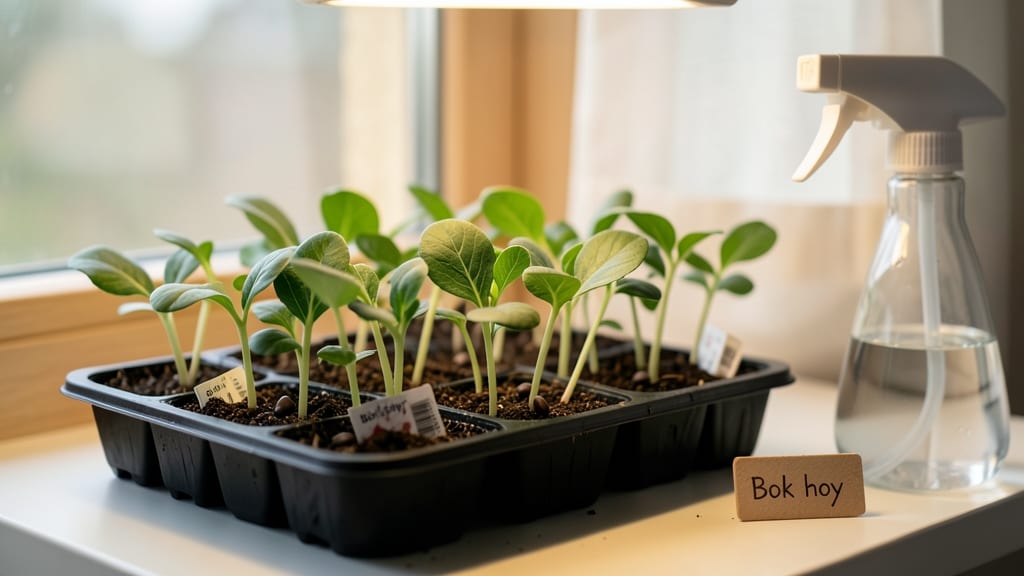
Starting bok choy seeds indoors 4–6 weeks before your last frost is the secret to a steady harvest of crisp, tender greens 🥬—not the guesswork many gardeners stumble into.
Picture this: you’ve just planted your seedlings outside, only to watch them bolt or wilt under a surprise frost. That’s the nightmare timing mistakes create, especially in unpredictable climates.
The good news? With a few simple adjustments, you can turn that risk into a reliable 8-week schedule that works for your zone.
Whether you’re in Zone 6a or further south, the key is knowing your frost dates and adjusting your indoor start time accordingly. Too early, and you’ll end up with leggy, overcrowded seedlings. Too late, and you’ll miss your harvest window entirely.
Below, I’ll walk you through the exact timing for your region, plus pro tips to speed up growth and avoid common pitfalls—so you can enjoy fresh bok choy all season long.
Optimal indoor bok choy seed starting timeline by climate Zone
Timing your bok choy seeds indoors is all about beating frost while giving seedlings enough time to mature. Bok choy thrives with an 8-week growth window from seed to transplant, so your starting date depends entirely on your USDA climate zone and last frost date.
In colder zones, you’ll need to start earlier, while warmer regions can wait until spring.
For example, gardeners in Zone 3 (like Minnesota) should begin seeds indoors by mid-February to ensure hardy transplants by late April. Meanwhile, those in Zone 9 (like Southern California) can wait until early March—their mild winters allow for later starts.
The key is counting backward from your average last frost date minus 8 weeks.
Here’s a quick reference for USDA Zones 3-10, including adjustments for early/late frost areas. Use this to pinpoint your ideal starting window and avoid bolting or frost damage.
If you’re in an early frost area (like Zone 3 or 4), consider starting a second batch of seeds 4 weeks later for a fall harvest. Bok choy grows quickly—just 30-60 days to maturity—so you can often squeeze in two plantings before winter sets in.
Always check your local frost dates for precision, as microclimates can shift timelines by weeks.
Pro tip: Use a seedling heat mat to speed up germination in cooler zones. Bok choy seeds germinate best at 60-70°F, so maintaining consistent warmth can
How to adjust your bok choy seed schedule for faster growth
If you're eager to harvest bok choy sooner than the standard 8-week schedule, you can safely push your planting window by 1-2 weeks with a few strategic adjustments.
The key lies in optimizing your indoor growing conditions—especially light exposure, temperature control, and soil preparation—to prevent leggy, weak seedlings that struggle outdoors. These tweaks help your seedlings mature faster while maintaining the hardiness they need to survive transplanting.
First, focus on light intensity. Bok choy seedlings need 12-16 hours of light daily to grow sturdy and compact. A south-facing window provides natural light, but most homes won’t offer enough during early spring. Instead, supplement with a grow light (LED or fluorescent) placed 2-3 inches above seedlings.
Keep it on a timer to mimic long daylight hours, which speeds up germination and early growth by 20-30% compared to low-light conditions.
Next, maintain a consistent soil temperature between 65-75°F (18-24°C) using a seedling heat mat if needed. Bok choy seeds germinate fastest in warm soil—expect sprouts in 5-7 days under ideal conditions. Once seedlings emerge, avoid letting soil temperatures drop below 60°F (15°C), or growth will slow dramatically.
A clear plastic dome over trays traps heat and moisture, creating a mini greenhouse effect that accelerates early development.
🌱 Pro Tip: Bok choy thrives in loose, nutrient-rich soil with a pH of 6.0-7.0. Mix 50% potting soil with 50% compost or coconut coir to improve drainage and aeration. Avoid heavy garden soil, which compacts easily and stunts root growth.
Before planting, pre-warm the soil mix in the sun for a day to boost microbial activity, which helps seedlings absorb nutrients faster.
💡 When to Start Bok Choy Seeds Indoors for Faster Growth
Standard Schedule: 4-6 weeks before last frost (e.g., February-March in Zone 6a).
Accelerated Schedule: Push to 3-4 weeks before last frost by using grow lights + heat mats. Start 1-2 weeks earlier than your zone’s typical window if your setup includes:
- ✅ 12+ hours daily light (grow lights or sun)
- ✅ 65-75°F soil temp (heat mat or warm location)
- ✅ Loose, compost-amended soil (not compacted)
Once your seedlings have 2-3 true leaves (about 2 weeks after germination), thin them to 1 inch apart in their trays. This reduces competition for nutrients and light, allowing each plant to grow 20% faster.
If you’re using small cells (like 2-inch pots), transplant seedlings into 3-inch pots at this stage to give roots more room to expand. Use a balanced fertilizer (5-10-10) diluted to half-strength when you repot to avoid burning tender roots.
Finally, harden off seedlings for 7-10 days before transplanting outdoors. Gradually expose them to outdoor conditions (wind, sun, temperature fluctuations) by placing trays outside for 1-2 hours daily, increasing time each day. This acclimation process reduces transplant shock, ensuring your accelerated seedlings thrive after moving to the garden.
With these adjustments, you can safely harvest bok choy 1-2 weeks earlier than the standard schedule—perfect for beating early frost in cooler climates.
🌿 For extra speed, try successive plantings every 10-14 days once your first batch is established. This staggered approach ensures a continuous harvest and maximizes your garden’s productivity without overcrowding.
Just remember: patience is key—even with accelerated growth, bok choy needs time to develop crisp stems and tender leaves for the best flavor.