
Container Gardens
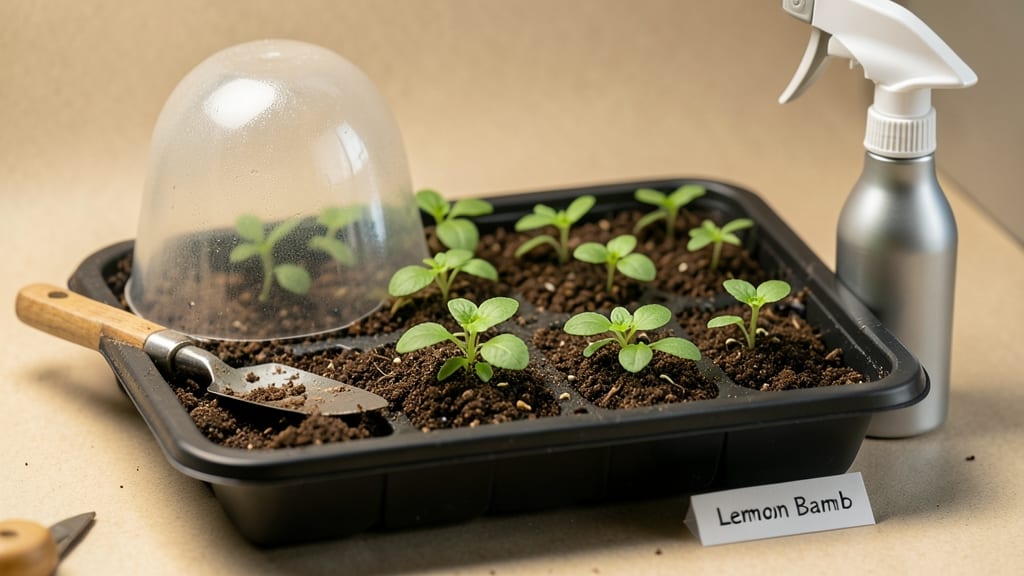
To start lemon balm seeds indoors, aim for 8 weeks before your last frost date—this ensures robust seedlings ready for transplant as temperatures warm.
Timing your lemon balm seeds indoors can mean the difference between thriving plants and struggling seedlings—especially when frost threatens your garden's last growing days. In USDA Zone 6a, that means starting them by mid-February to avoid a rushed outdoor move.
Lemon balm thrives with warmth, so keep soil temperatures between 60-75°F for germination. Use a seed-starting tray with drainage holes, and place it under a grow light or in a south-facing window for 12-14 hours of light daily.
Once seedlings hit 3-4 inches tall, harden them off over 7-10 days before transplanting outdoors after the last frost. With the right timing, you’ll enjoy fresh 🍋 lemon balm by early summer!
Optimal indoor starting dates for lemon balm seeds by climate zone
Timing your lemon balm seeds indoors ensures strong, healthy seedlings ready for transplant before first frost. Since lemon balm thrives in USDA zones 3-10, your start date depends on your local climate. A 6-8 week indoor growing period gives seedlings enough time to develop before outdoor temperatures stabilize.
Lemon balm is a hardy perennial herb that can handle light frost, but seedlings need protection. Starting too early risks overcrowded trays, while starting too late may leave plants stunted before summer.
The key is aligning your indoor seed start date with your last frost date—typically 6-8 weeks before.
| USDA Zone | Avg. Last Frost Date | Indoor Start Window | Transplant Ready By |
|---|---|---|---|
| Zones 3-4 | May 1-15 | March 15-April 1 | May 15-June 1 |
| Zones 5-6 | April 15-May 1 | February 15-March 15 | April 15-May 15 |
| Zones 7-8 | March 15-April 1 | January 15-February 15 | March 15-April 15 |
| Zones 9-10 | February 15-March 1 | November 15-December 15 | February 15-March 15 |
*Adjust dates 1-2 weeks earlier if using grow lights or warmer indoor conditions.
For gardeners in USDA zones 3-4, aim to start seeds between mid-March and early April. These cooler zones have later frost dates, so seedlings need more time to mature. Use a heat mat to maintain soil temperatures between 60-75°F for faster germination.
Gardeners in zones 5-6 should begin indoors between mid-February and mid-March. This gives seedlings enough time to develop before the last frost, typically around mid-April to early May. Monitor local weather forecasts for adjustments—early frost warnings may require an earlier start.
In warmer zones 7-8, you can start seeds as early as mid-January or even late December. These zones have milder winters, allowing for earlier transplanting. However, avoid starting too early—overcrowded seedlings or leggy growth from insufficient light can occur.
For zones 9-10, lemon balm can even be started in late fall or early winter. These regions often have no frost risk by February, so seeds can be sown as late as mid-December. Use a south-facing window or grow lights to prevent weak seedlings.
Regardless of your zone, always harden off seedlings for 7-10 days before transplanting. Gradually expose them to outdoor conditions—start with 2-3 hours daily in partial shade, then increase exposure. This process strengthens stems and prepares plants for direct sunlight and temperature fluctuations.
Pro tip: Mark your last frost date on your calendar and count backward 6-8 weeks to determine your ideal start date. If you're unsure, err on the earlier side—lemon balm seedlings can handle transplanting slightly earlier than later, but late starts risk stunted growth.
Once seedlings reach 4-6 inches tall with 3-4 sets of leaves, they’re ready for transplanting. Choose a sunny spot with well-draining soil—lemon balm thrives in partial shade but can tolerate full sun in cooler climates.
Key factors affecting lemon balm germination and transplant success
Getting your lemon balm seeds to sprout and thrive indoors depends on mastering a few key factors. The right soil temperature, light exposure, and humidity levels create the perfect environment for germination. Without these, even the freshest seeds can struggle to break through the soil.
For lemon balm seedlings, consistency is everything. Too much moisture or poor drainage can lead to rot, while insufficient light causes leggy, weak plants. Understanding these variables helps you avoid common pitfalls and gives your seedlings the best possible start before transplanting outdoors.
Here’s a quick breakdown of what works—and what doesn’t—when starting lemon balm seeds indoors:
When to Start Lemon Balm Seeds Indoors: Pros and Cons
- Start 6-8 weeks before last frost for hardy transplants
- Use seed-starting mix with perlite for drainage
- Keep soil at 60-75°F with a heat mat if needed
- Provide 12-16 hours of light daily using grow lights
- Maintain humidity with a clear lid or plastic wrap
- Starting too early leads to overcrowded seedlings
- Skipping light supplementation causes weak, leggy growth
- Overwatering drowns seeds and invites mold
- Using regular potting soil lacks proper aeration
- Transplanting too soon risks frost damage
Once your seeds germinate, maintaining the right container depth (at least 2-3 inches) prevents root binding. Lemon balm thrives in shallow roots, so deeper pots aren’t necessary—but they must have drainage holes to avoid soggy soil.
After sprouting, transition seedlings to bright indirect light (like an east-facing window) to prevent stretching. If natural light is limited, supplement with a grow light for 14-16 hours daily. This mimics summer conditions and keeps stems sturdy.
Finally, harden off seedlings 1-2 weeks before transplanting by gradually exposing them to outdoor conditions. This toughens them up for the garden and reduces transplant shock. With these factors in check, your lemon balm will be ready to thrive in the ground by late spring.