
Container Gardens
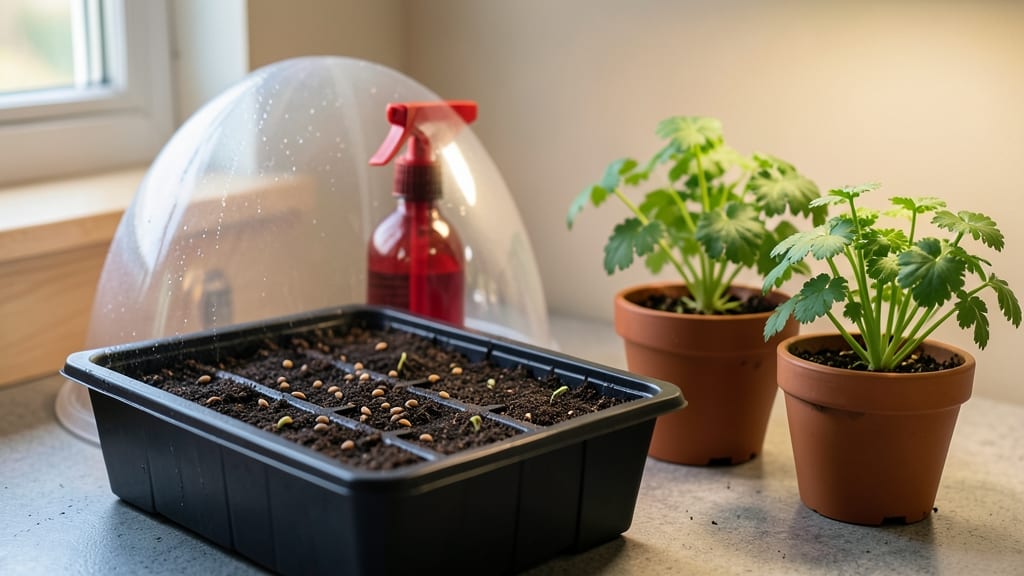
Starting parsley seeds indoors 8-10 weeks before your last frost date is the golden window—trust me, I’ve learned the hard way that timing makes all the difference. 🌱 Too early and they’ll bolt by transplant time; too late and they’ll be stunted in the garden.
The secret is matching your local frost dates to parsley’s slow, steady growth habit—it’s not a speedy sprouter like basil or peppers.
Here’s the thing—parsley is biennial, meaning it grows slowly the first year but rewards patience with bold, flavorful leaves. In Zone 5, that means starting seeds by mid-March; in milder Zone 8, you can wait until late February.
A simple seed-starting kit with grow lights (or a sunny windowsill) and a seedling tray is all you need—no fancy setups required.
By transplant time, your seedlings will be 4-6 inches tall with sturdy stems, ready to handle cooler outdoor temps. The key is consistent moisture—parsley hates drying out—and thinning seedlings to avoid crowding. Once in the ground, they’ll keep producing all season, even through light frosts.
Pro tip: If you’re growing curly parsley, start seeds a week earlier than flat-leaf varieties—they germinate slower. And don’t toss those scraps! Parsley roots often regrow if you keep them moist. Now, let’s get those seeds sprouting.
📚 In This Guide
- What you need
- Instructions
- Tips and common mistakes
- Wrapping up and next steps
What you need
- ● Parsley seeds: Choose heirloom or organic varieties like Italian flat-leaf or curly parsley. Aim for 1 packet (200–300 seeds) to account for germination rates (parsley can be slow!)
- ○ Seed-starting trays or pots: 2–4 cell packs (2–3 inches deep) or 4–6 small pots (3–4 inches in diameter) with drainage holes. Optional: Biodegradable peat pots for easy transplanting.
- ● Seed-starting mix: A lightweight, sterile mix (e.g., 50% peat moss + 50% perlite or vermiculite). Avoid garden soil—it’s too dense!
- ● Grow lights or sunny windowsill: A full-spectrum LED grow light (12–16 hours/day) or a south-facing window (6+ hours of sunlight).
- ● Spray bottle: For gentle watering (16–20 oz capacity with a fine mist nozzle).
- ○ Humidity dome or plastic wrap: To retain moisture while seeds germinate (optional but helpful for parsley’s slow start).
- ● Small hand trowel or spoon: For planting tiny seeds (parsley seeds are 0.1–0.2 inches wide—precision helps!).
- ● Labels & marker: To track planting dates (parsley takes 10–14 days to germinate—patience is key!).
- ○ Heating mat (optional): A seedling heat mat (set to 70–75°F) can speed up germination by 3–5 days.
- ● Fertilizer: A balanced, water-soluble fertilizer (e.g., 5-5-5 or fish emulsion) for post-germination growth (dilute to half-strength).
- ● Scissors or knife: For trimming pots or separating seedlings later.
Step-by-Step instructions for starting parsley seeds indoors
Parsley thrives with patience—here's exactly when and how to start seeds for strong, healthy transplants.
⏰ Step 1: Calculate Your Indoor Starting Window
Parsley seeds germinate slowly, often taking 2-3 weeks to sprout. To ensure hardy transplants, begin indoors 10-12 weeks before your last frost date. For most climates, this means starting seeds in early to mid-February. Check your local frost dates and work backward—parsley seedlings tolerate light frost but need time to mature before cold snaps.
Here's the thing—parsley grows slowly even after germination. If you wait until March, seedlings may struggle to reach transplant size before spring. I always mark my calendar 10 weeks before last frost and set up my seed-starting station then. Use a small notebook or phone reminder to avoid last-minute rushes.
🌱 Step 2: Prepare Containers and Sow Seeds
Use 2-3 inch deep containers with drainage holes—parsley hates soggy roots. Fill with sterile seed-starting mix and press lightly to remove air pockets. Sow seeds ¼ inch deep—they need light to germinate, so don't bury them too deeply. Space seeds ½ inch apart in rows to avoid overcrowding later.
Water gently with a spray bottle until the soil surface looks evenly moist but not glistening. Cover the tray with a clear plastic dome or plastic wrap to retain humidity. Place in a warm spot (65-75°F) like on top of your fridge. You'll see tiny green sprouts in 2-3 weeks—be patient, they're coming.
☀️ Step 3: Provide Light and Prevent Leggy Growth
The moment seedlings emerge, move them to a bright spot with 12-14 hours of light daily. A south-facing window rarely provides enough intensity, so supplement with a grow light positioned 2-3 inches above the plants. Keep the light on a timer to maintain consistent exposure.
Watch for leggy growth—thin, pale stems reaching toward the light. This happens when seedlings stretch for sunlight. If you see stems longer than 2 inches with leaves spaced far apart, your light is too far away. Adjust immediately to prevent permanent weakness. Strong parsley seedlings have compact stems and dark green leaves.
🌿 Step 4: Thin and Harden Off Seedlings
When seedlings develop 2-3 true leaves (about 4-6 weeks after sowing), thin to one plant per cell. Use scissors to snip unwanted seedlings at soil level—this prevents disturbing roots of remaining plants. Water gently after thinning to settle the soil around the remaining seedlings.
Begin hardening off 2 weeks before transplanting by placing seedlings outside in a sheltered spot for 1-2 hours daily. Gradually increase exposure over 7-10 days, ending with full sun. Parsley seedlings are tough but benefit from this gradual transition. You'll know they're ready when they handle a full day outside without wilting.
🪴 Step 5: Transplant and Maintain Through Spring
Transplant parsley outdoors after the last frost when soil temperatures reach 50°F. Choose a location with partial shade—too much sun scorches leaves. Space plants 6-8 inches apart in well-draining soil. Water deeply at the base to encourage root establishment.
Keep soil consistently moist but not soggy—parsley prefers even moisture. Mulch around plants with 1-2 inches of organic mulch to retain moisture and suppress weeds. You'll see new growth within 2-3 weeks, signaling successful transplanting. Regular harvesting encourages bushier growth and prevents bolting.
Tips & tricks for perfect indoor parsley seed starting
Parsley's slow but steady growth means timing and technique matter more than with speedy seedlings. Here's how to avoid common pitfalls and ensure robust transplants.
Timing Secret: The 10-12 week window before last frost isn't arbitrary—parsley's slow germination (2-3 weeks) plus its gradual growth means you need this head start. I've seen gardeners rush and end up with puny seedlings that bolt before they can mature. Mark your calendar now: if your last frost is May 15th, start seeds by March 1st. This gives you a 2-week buffer if germination takes longer than expected.
Light Strategy: That 12-14 hours of daily light in Step 3 is non-negotiable for parsley. A south-facing window alone won't cut it—you'll get leggy, weak seedlings that flop when transplanted. I recommend a simple LED grow light on a timer (even a $20 clip-on bulb works). Position it just 2-3 inches above the seedlings and keep it running consistently. The moment you see stems longer than 2 inches with big gaps between leaves, you know your light's too far away.
Harden Off Like a Pro: The 2-week gradual transition before transplanting is where most gardeners fail. I've seen parsley seedlings wilt dramatically after just a few hours outside because they weren't properly acclimated. Start with just 1-2 hours in a sheltered spot on day one, then add 30 minutes each subsequent day. By day 7, they should handle 6-8 hours outside. The key is watching for wilting—not just during the session, but for the next 24 hours afterward.
Transplanting Wisdom: When you finally transplant after last frost (soil at 50°F), don't just plop those seedlings in the ground. Dig holes twice as wide as the root ball and mix in some compost. Water deeply before planting, then water again immediately after. The goal is to eliminate air pockets around the roots—parsley hates having its roots disturbed. After transplanting, keep soil consistently moist for the first 2-3 weeks, even if that means watering daily in hot weather.
Pro Tips for When To Start Parsley Seeds Indoors
- Parsley's slow but steady growth means timing and technique matter more than with speedy seedlings.
- Timing Secret: The 10-12 week window before last frost isn't arbitrary—parsley's slow germination (2-3 weeks) plus its gradual growth means you need this head start.
- Light Strategy: That 12-14 hours of daily light in Step 3 is non-negotiable for parsley.
Frequently asked questions
When is the best time to start parsley seeds indoors?
For most climates, start parsley seeds indoors 8–10 weeks before your last frost date. This gives seedlings enough time to mature before transplanting. In warm regions, you can start them as early as February, while cooler zones may wait until March or April. Always check your local frost dates for precision!
Can I start parsley seeds too early?
Yes, but it risks overcrowding and seedling legginess. If you start too early, use grow lights and transplant seedlings into larger containers. Alternatively, wait until 6–8 weeks before your last frost—parsley grows slowly, so it’s better to delay than rush!
What if I don’t have grow lights?
No problem! Place seedlings near a south-facing window where they get 6+ hours of sunlight daily. If natural light is insufficient, supplement with a simple LED bulb (12–14 hours/day). Just avoid cold drafts, which can stunt growth.
Why are my parsley seedlings not germinating?
Parsley seeds are slow to sprout (10–21 days) and need consistent moisture and warmth (70°F+). Keep soil damp (not soggy) and use a heat mat if germination stalls. If seeds fail, try fresh ones—they lose viability over time!
Can I direct-sow parsley instead of starting indoors?
While indoor starts give you an earlier harvest, parsley tolerates direct sowing 2–3 weeks before your last frost. Just plant seeds ¼ inch deep and keep soil moist. Thin seedlings to 6–8 inches apart for optimal growth.
Wrapping up and next steps
Starting parsley seeds indoors is a rewarding way to ensure a fresh, homegrown harvest—especially when you time it just right! 🌱 The key is to begin 8 to 10 weeks before your last frost date, giving seedlings enough time to grow sturdy before transplanting.
With the right setup and care, you’ll be enjoying vibrant, flavorful parsley in no time.
Ready to dive in? Grab your supplies, mark your calendar, and get those seeds sprouting! Once your seedlings are thriving, the next step? Plan your outdoor transplanting spot—whether it’s a sunny container or garden bed. Happy growing! 🌿