
How To
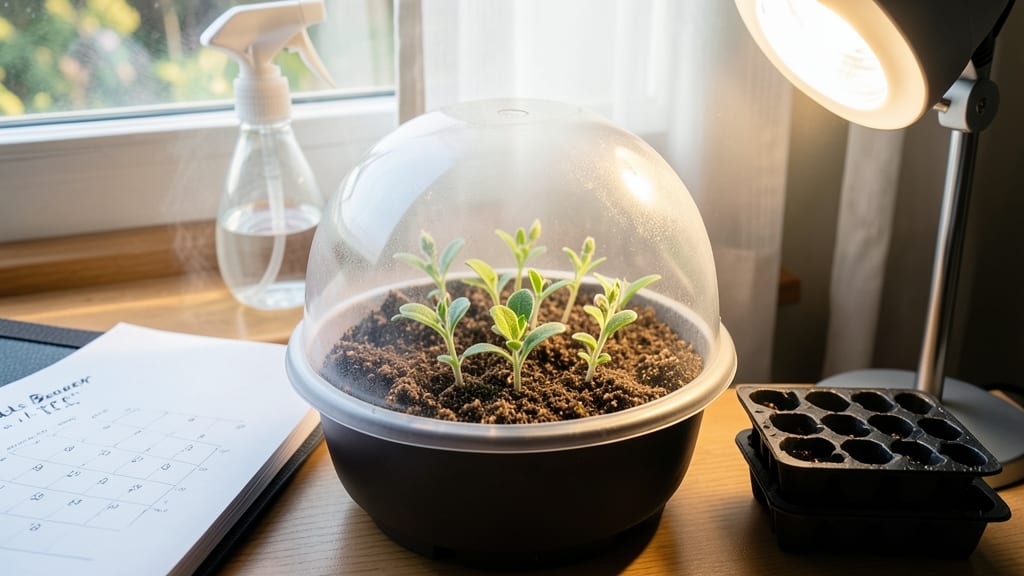
To start snapdragon seeds indoors for vibrant blooms, aim for 8–10 weeks before your last frost—typically late winter for most gardeners.
Timing is everything when growing snapdragons from seeds—start too early, and you’ll face leggy seedlings; too late, and your blooms won’t thrive before frost. Use this zone-specific guide to calculate the perfect indoor start date for healthy snapdragons 🌸.
Whether you’re in Zone 6a or further south, knowing the right window ensures your snapdragons reach maturity before summer heat or early fall frosts cut their season short.
Inside, you’ll find exact start dates by zone, light and temperature tips for germination, and how to harden off seedlings for a seamless transition to the garden.
Snapdragon seed starting timeline by USDA hardiness Zone
Getting your snapdragon seeds off to the right start means calculating your last frost date and working backward. Since snapdragons need 8-10 weeks indoors before transplanting, timing varies dramatically from Zone 3 to Zone 10.
In colder climates, you might start in February, while southern gardeners can wait until March or April. The key is matching your seedling maturity with warm soil temperatures to ensure robust blooms.
Use your USDA Zone to determine when to begin. For example, gardeners in Zone 5 (average last frost: April 15) should start seeds around February 15 to transplant in early May.
Meanwhile, Zone 9 gardeners (last frost: February 15) can delay until late January. This zone-specific approach prevents leggy seedlings or late-season blooms that won’t survive frost.
Below is a detailed comparison table breaking down exact start dates, transplant windows, and bloom expectations for each zone. Adjust for early or late frosts by checking your local frost date averages—some regions can vary by 1-2 weeks from the norm.
| USDA Zone | Avg. Last Frost | Start Seeds Indoors | Transplant Outdoors | Bloom Time |
|---|---|---|---|---|
| 3-4 | May 1 | March 15 | May 15 | July-August |
| 5-6 | April 15 | February 15 | May 1 | June-July |
| 7-8 | March 15 | January 15 | April 15 | May-June |
| 9-10 | February 15 | Late January | March 15 | April-May |
*Adjust dates 1-2 weeks earlier if using a cold frame or row covers for earlier transplants.
For Zone 3-4 gardeners, starting seeds in mid-March ensures seedlings are robust enough to handle late-May transplants. The challenge here is providing 14+ hours of light during short winter days—supplement with grow lights if natural light is insufficient.
Without extra light, seedlings stretch toward windows, becoming weak and prone to damping off.
In Zones 5-6, where last frosts typically hit mid-April, aim to start seeds by February 15. This gives you a 10-week indoor window before transplanting in early May.
Use seedling trays with drainage holes and a seedling heat mat (70-75°F) to speed germination. Once seedlings have 2-3 true leaves, they’re ready for 12-hour daylight to prevent legginess.
Gardeners in Zones 7-8 have the luxury of earlier starts, but don’t rush—late January is ideal. These zones often experience milder winters, so you can transplant as early as mid-April.
For continuous blooms, stagger your plantings: start a second batch in early February for late-summer color. Choose heat-tolerant varieties like ‘Matrix’ or ‘Rocket’ to handle warmer springs.
Southern gardeners in Zones 9-10 can start seeds as early as late January, but be cautious—overly warm soil can cause seeds to germinate too quickly, leading to root-bound seedlings.
Transplant in mid-March and use shade cloth during peak summer heat to protect blooms. For year-round color, grow snapdragons as annuals in containers and move them indoors before frosts.
Pro tip: Mark your transplant date on the calendar and count backward 8-10 weeks to set your indoor start date. Use a seedling journal to track light exposure, watering, and fertilizer applications—this helps you refine timing for next year.
For dwarf varieties (like ‘Tiny Tower’), you can transplant slightly later (after 9 weeks) since they mature faster.
Remember, snapdragons thrive with full sun and well-draining soil. After transplanting, keep seedlings consistently moist and pinch back flowering stems to encourage bushier growth. With the right timing, you’ll enjoy vibrant blooms from early summer until frost—or even longer in warmer climates!
How to adjust start dates for early or late blooms
If your snapdragons bloom too early or too late, you’re not alone—climate quirks and variety traits can throw off even the best-laid plans. The key to continuous color lies in adjusting your start dates based on your USDA zone, variety, and seasonal goals.
Whether you're in a hot southern zone or a cold northern climate, these strategies will help you extend your snapdragon season effortlessly.
For northern gardeners, cold frames and row covers can push back the first frost, while southern growers should opt for heat-tolerant varieties like 'Matrix' or 'Tango' to avoid wilting in summer heat. Staggered plantings every 2–3 weeks ensure a nonstop display from early summer to fall.
Let’s dive into the specifics so you can tailor your timing for perfect blooms all season long.
🌱 How to Adjust Snapdragon Start Dates
- 📅 For early blooms in cooler zones (3–6): Start seeds indoors 10–12 weeks before last frost and use a cold frame to extend the season. Transplant 4–6 weeks later than usual for a spring burst of color.
- 🌡️ For heat-tolerant blooms in warm zones (7–10): Choose dwarf varieties like 'Pocket Rocket' and start seeds indoors 6–8 weeks before last frost. Move to partial shade in summer to prevent bolting.
- 🔄 For continuous blooms year-round: Plant staggered batches every 2–3 weeks from February to July. This ensures nonstop flowers from early summer to frost.
- ❄️ For fall blooms in northern climates: Start a second batch 8–10 weeks before first frost and protect with row covers or hoop tunnels to extend the season.
- 🌿 For dwarf snapdragons (12–18 inches): Start seeds indoors 8 weeks before last frost—their compact size makes them ideal for container gardens and small spaces.
Staggered plantings are my secret weapon for long-lasting snapdragon displays. By sowing seeds in 2-week intervals, I’ve achieved 6–8 weeks of continuous blooms in my Zone 6 garden. For example, if your last frost is April 15, start your first batch on February 1, the second on February 15, and the third on March 1. This ensures new blooms just as old ones fade.
In hotter climates (Zones 8–10), traditional snapdragons may struggle with heat stress or bolting. Instead, opt for heat-tolerant varieties like 'Matrix' or 'Tango', which thrive in 75–85°F temperatures.
Start these seeds indoors 6 weeks before last frost and harden off gradually to avoid shock. Once transplanted, provide afternoon shade to prevent wilting.
Northern gardeners can trick Mother Nature with cold frames or row covers. A simple cold frame can extend your snapdragon season by 3–4 weeks by trapping heat during the day and insulating at night.
For a fall display, start seeds indoors 8 weeks before your first frost date and transplant them into the cold frame 4 weeks later. This ensures late-season blooms when most gardens are winding down.
Don’t forget to pinch back your snapdragons 6–8 weeks after transplanting to encourage bushier growth and more blooms. This simple step can double your flower production and keep your plants looking full and vibrant. With these adjustments, you’ll enjoy snapdragons in bloom for months longer than the average gardener!