
How To
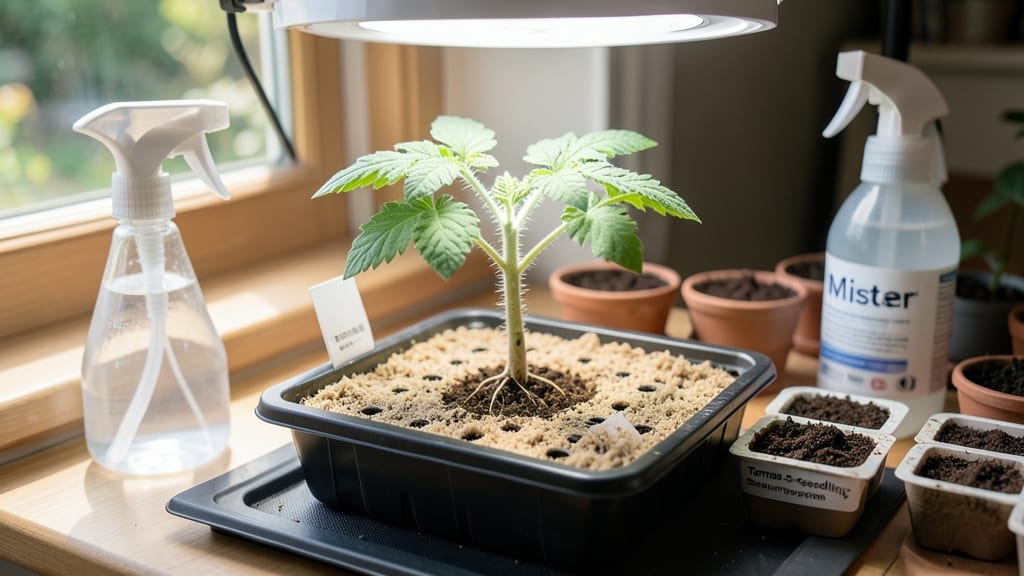
Starting tomato seeds indoors in Zone 7 six to eight weeks before your last frost date — typically early February — sets you up for a thriving harvest.
Picture this: you’ve got strong, stocky seedlings ready to transplant just as the soil warms, their roots eager to dive into your garden. But miss that window, and you’re left with leggy, overcrowded plants struggling to catch up when the time comes.
The difference between a bountiful harvest and a disappointing one often comes down to timing.
Zone 7 gardeners know the drill: last frosts can sneak up in mid-April, and tomatoes need 60 to 90 days to go from seed to fruit. That means your seed-starting clock ticks loudly from the moment you crack open those seed packets.
Too early, and you’ll battle damping-off and weak seedlings; too late, and the season slips away before your plants mature.
In this guide, I’ll walk you through the exact timeline for Zone 7, how to adjust for your specific last-frost date, and the key steps to harden off seedlings so they’re ready to face the great outdoors. No more guesswork—just healthy, productive plants from seed to sauce.
Zone 7 last-frost dates and ideal tomato seed starting timeline
Timing your tomato seed starts indoors in Zone 7 can mean the difference between a bumper crop and a disappointing harvest—get it wrong, and your plants may struggle to thrive once transplanted.
The last-frost date in Zone 7 typically falls between March 15 and April 15, depending on your exact location within the zone. For most of Zone 7, this window centers around April 1, which is the date we’ll use for our calculations.
Tomatoes are warm-season crops that need a long, frost-free growing season—around 75-90 days from transplant to harvest. To ensure your seedlings are strong enough for outdoor planting, you should start seeds indoors 6-8 weeks before your last frost date.
This means for Zone 7, your ideal seed-starting window is early to mid-February.
Let’s break this down further. If your last frost is April 1, starting seeds on February 15 gives you an 8-week head start. This timeline ensures your seedlings will be 4-6 inches tall with 4-6 true leaves by transplant time, ready to handle Zone 7’s warmer spring temperatures.
Starting too early (like January) risks overcrowded, leggy seedlings, while starting too late (March) may leave plants underdeveloped for outdoor conditions.
Here’s a quick reference for your exact start date: subtract 6-8 weeks from your last frost date. For example, if your last frost is April 15, aim for a seed-starting date between February 22 and March 1.
Use this summary-table to visualize the ideal timeline for Zone 7 tomato seed starting:
Zone 7’s climate can be unpredictable, so always check your local last-frost averages for the past 5 years. Websites like the National Oceanic and Atmospheric Administration (NOAA) or local Cooperative Extension offices provide precise data.
For example, areas like Atlanta, GA tend to have later last frosts (around April 15), while Raleigh, NC may see frost as early as March 20.
If you’re unsure about your exact last-frost date, err on the side of starting seeds 2-3 weeks later than the average. This buffer accounts for late-season frosts that can still occur in Zone 7.
For instance, if your average last frost is April 1, start seeds around March 15 instead of February 15 to reduce risk.
Another critical factor is soil temperature. Tomato seeds won’t germinate well in cold soil. Aim to keep your indoor seed-starting mix at 70-80°F using a seedling heat mat if needed. Once seedlings emerge, maintain 65-75°F daytime temps and 55-65°F nighttime temps to encourage strong, sturdy growth.
If your home runs cooler, consider using a grow light to supplement natural light and keep seedlings healthy.
Pro tip: Use a seedling heat mat for the first 2
Signs your tomato seedlings are ready for transplanting in Zone 7
Knowing when your tomato seedlings are ready to move outdoors in Zone 7 prevents transplant shock and ensures strong, productive plants. The key is watching for specific growth milestones that show your seedlings have developed the resilience to handle outdoor conditions.
In my experience, these signs appear between 6-8 weeks after sowing, but timing varies based on variety and growing conditions.
First, check the stem thickness—healthy seedlings should have stems as thick as a pencil (1/4 inch or more). Thin stems struggle to support the plant's weight once transplanted and are more prone to breaking in wind or rain.
I also look for true leaves, which are the second set of leaves that appear after the initial seed leaves. These true leaves indicate the plant has established its full photosynthetic system.
🌱 5 Key Signs Your Tomato Seedlings Are Ready
- 🌱 Height: Seedlings should be 4-6 inches tall with a sturdy stem. Dwarf varieties may be smaller but should still show strong growth.
- 🌿 Leaf Count: At least 4-6 true leaves (excluding seed leaves) indicate readiness. More leaves mean more energy for outdoor growth.
- 🌡️ Temperature Tolerance: Seedlings can handle 50-55°F nighttime temps without wilting. Test this by moving them to a cooler indoor spot for a day.
- 🪴 Root Bound: Gently squeeze the root ball—roots should fill the container. If roots circle the pot, it’s time to transplant.
- 🌱 Hardening Off: Seedlings that survive 3-5 days of hardening off (gradual outdoor acclimation) are ready for full transplant.
Don’t overlook the color and texture of the leaves. Healthy seedlings have deep green, vibrant leaves with no yellowing or brown spots. Wilting or pale leaves signal stress, often from overwatering or poor light.
I’ve found that seedlings with dark green foliage and a slight waxy sheen are the most resilient once outdoors. If your seedlings meet these criteria but your last frost date is still weeks away, keep them indoors under grow lights to maintain strength.
Hardening off is the final critical step before transplanting. Over 5-7 days, gradually expose seedlings to outdoor conditions, starting with 1-2 hours of morning sun and increasing daily.
I begin by placing seedlings in a sheltered spot like a porch or under a shade cloth, then move them to direct sun. This mimics outdoor conditions and prevents shock when you finally plant them after the last frost.
Watch for wilting—if seedlings recover within a few hours, they’re ready for the next step.
Once your seedlings pass these tests, transplant them into the garden after your Zone 7 last frost date (typically mid-April). Choose a cloudy day to reduce stress, and plant deeply—burying up to the first set of true leaves encourages stronger root growth.
Water thoroughly after transplanting to help the soil settle around the roots. With these signs in mind, you’ll avoid the common pitfall of transplanting seedlings that are still too young or delicate.
Remember, tomato varieties like Early Girl or Celebrity mature faster (60-70 days) than heirlooms like Brandywine (80+ days), so adjust your transplant timing accordingly. The goal is to have robust seedlings ready to thrive when outdoor conditions stabilize—usually by early May in Zone 7.
With patience and attention to these details, you’ll enjoy a bountiful harvest all summer long! 🌿