
Container Gardens
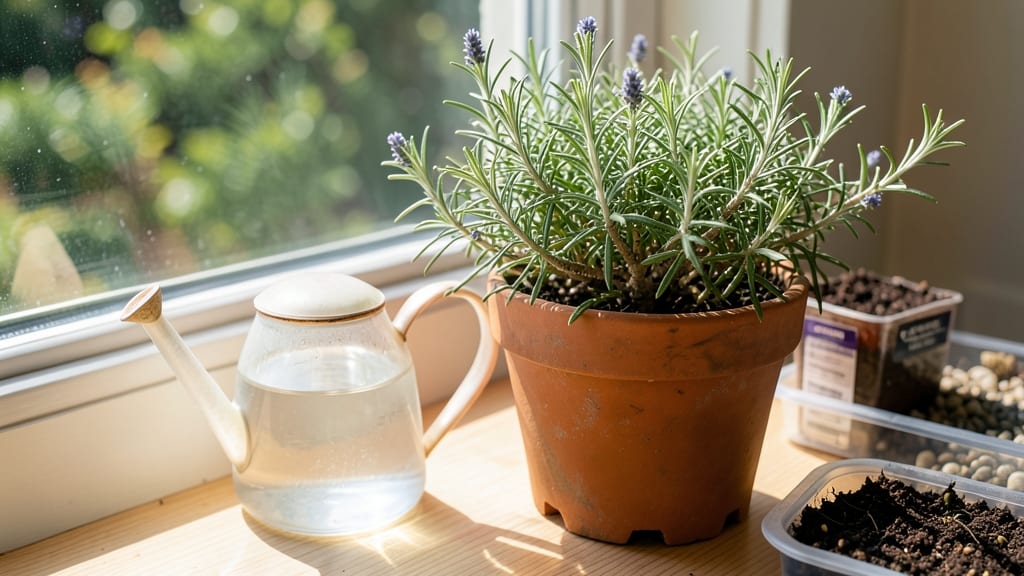
Caring for rosemary indoors means fresh, fragrant herbs year-round—even in apartments with just a sunny windowsill. 🌿 I’ve kept rosemary thriving for years using simple routines that prevent the common pitfalls of leggy stems and dried-out tips.
The key is mimicking its Mediterranean roots with bright light, well-draining soil, and occasional pruning to keep it bushy. You’ll need a pot with drainage holes, a mix of potting soil and perlite (or sand), and a spot near a south- or west-facing window.
Water only when the top inch of soil feels dry—overwatering is the fastest way to kill rosemary. A humidifier nearby helps too, since indoor air is often too dry for its liking. With the right care, your rosemary will stay compact, aromatic, and productive for years.
Snip sprigs for cooking whenever you need them, and watch it regrow quickly. The secret isn’t complicated—just consistency and a little attention to its basic needs. This method works for both kitchen windowsills and under-grow lights, making it perfect for any home. Let’s get your rosemary growing strong!
📚 In This Guide
- What you need
- Instructions
- Tips and common mistakes
- Wrapping up and next steps
What you need
- ● Rosemary plant: A healthy Rosmarinus officinalis (choose a dwarf variety like 'Blue Spires' or 'Prostratus' for indoor spaces).
- ● Container: A pot with drainage holes (6–8 inches in diameter for mature plants; 4–6 inches for small starters). Terracotta or ceramic works best.
- ● Well-draining potting mix: A blend of cactus/succulent mix (60%), perlite or pumice (20%), and peat or coco coir (20%). Avoid heavy garden soil!
- ● Watering can with a narrow spout: For precise hydration (aim for 1–2 cups per watering, depending on pot size).
- ○ Grow lights (optional but recommended): LED full-spectrum bulb (10,000–20,000 lux) or a clip-on grow light for 6–8 hours daily if natural light is <12 hours.
- ● Adjustable light stand (if using a bulb) to keep it 6–12 inches above the plant.
- ● Pruning shears or sharp scissors: Sterilized (rub with 70% isopropyl alcohol) for trimming.
- ● Humidity tray: A shallow tray with pebbles and water to boost moisture (especially in dry climates).
- ● Fertilizer: Balanced liquid fertilizer (10-10-10 or 20-20-20), diluted to ½ strength (use every 4–6 weeks in spring/summer).
- ● Spray bottle: For occasional misting (rosemary prefers 40–60% humidity).
- ○ Thermometer/hygrometer (optional): To monitor ideal temps (60–75°F) and humidity.
How to care for rosemary indoors: year-round fragrance with minimal light needs
Rosemary thrives indoors with the right balance of light, soil, and patience—here's how to keep it lush and fragrant.
🪴 Step 1: Choose the Right Container and Soil
Start with a pot that has drainage holes—rosemary hates soggy roots. A 6-8 inch diameter container works well for a single plant, and terracotta pots help wick away excess moisture. Use a well-draining potting mix, like one formulated for Mediterranean herbs, or blend your own with 30% perlite or coarse sand to improve aeration.
Fill the pot halfway with soil, then place the rosemary plant in, ensuring the root ball sits just below the rim. The top of the root ball should be level with the soil surface—burying the stem too deep can cause rot. Gently press around the edges to secure the plant without compacting the soil too tightly.
☀️ Step 2: Position for Optimal Light
Rosemary needs 6-8 hours of bright, indirect light daily. A south-facing window is ideal, but if that’s not available, supplement with a grow light for 12-14 hours per day. You’ll know it’s getting enough light when the leaves stay a vibrant green—yellowing or stretching toward the light means it needs more.
Rotate the pot a quarter turn weekly so the plant grows evenly. Leggy growth or leaves leaning toward one side means the light source isn’t balanced. If your home runs cooler, place the pot near a sunny window during the day and move it to a warmer spot at night—rosemary prefers temperatures between 60-75°F.
💧 Step 3: Water Sparingly and Deeply
Water rosemary only when the top inch of soil feels dry to the touch. Stick your finger in the soil—if it’s damp, wait another day. Overwatering is the fastest way to kill rosemary, so err on the side of underwatering. When you do water, soak the soil thoroughly until water runs out the drainage holes, then empty the saucer to prevent root rot.
Mist the leaves occasionally in dry climates, but avoid wetting the foliage too often—this can encourage fungal issues. In winter, when growth slows, reduce watering to every 10-14 days. You’ll notice the plant’s natural resilience: healthy rosemary can bounce back from brief dry spells, but soggy soil will turn leaves brown and mushy.
✂️ Step 4: Prune for Bushier Growth
Trim rosemary to encourage a fuller shape and prevent it from becoming woody. Use clean, sharp scissors to snip back 1/3 of the plant’s length in early spring or after flowering. Focus on cutting just above a leaf node where new growth can sprout—this is where side branches form.
Don’t worry if it looks sparse after pruning; rosemary recovers quickly. You can also harvest sprigs for cooking by cutting just above a pair of leaves. This encourages bushier growth and keeps the plant productive. If your rosemary starts to look leggy or bare at the bottom, a hard prune back to the base can rejuvenate it—just be patient while it regrows.
🌿 Step 5: Fertilize Lightly and Monitor for Pests
Feed rosemary sparingly—too much fertilizer burns its delicate roots. Use a balanced, water-soluble fertilizer diluted to half strength once in early spring and again in midsummer. Water the soil thoroughly before applying fertilizer to avoid root damage. Avoid fertilizing in winter when the plant is dormant.
Check the undersides of leaves weekly for pests like spider mites or aphids. Wipe leaves with a damp cloth if you spot dust or early signs of infestation. If pests appear, treat with insecticidal soap or neem oil, following the product’s instructions. Rosemary rarely has pest issues if kept in bright light and well-draining soil, but occasional checks keep it healthy.
Tips & tricks for perfect indoor rosemary care
Here's what nobody tells you about keeping rosemary thriving indoors—these little details make all the difference.
Pot Selection Matters: While terracotta pots are ideal, any container with drainage holes works. I learned this the hard way after ruining three plants in plastic pots with no drainage—rosemary roots need air as much as they need water. If you're using a decorative pot without holes, place it inside a cache pot with gravel at the bottom to catch excess water.
Light Source Strategy: The 6-8 hours of bright light requirement is non-negotiable, but I've found a clever workaround for north-facing windows. Place your rosemary on a kitchen counter during daylight hours, then move it to a sunny windowsill for a few hours of direct sun. This mimics the natural light cycle and prevents that sad, leggy growth we all hate.
Watering Wisdom: That top inch of soil test is crucial, but I've developed a foolproof method: press your finger into the soil. If it feels dry just below your first knuckle, it's time to water. The key is thorough watering—pour until water runs out the drainage holes, then let it drain completely. This prevents the root rot that kills so many indoor rosemary plants.
Pruning Payoff: Don't be afraid to prune aggressively! I cut back my rosemary by half in early spring and it bounced back beautifully. The secret is cutting just above a leaf node—this is where new growth emerges. You'll get bushier plants and more harvestable sprigs. Plus, regular pruning prevents that woody, unproductive growth that makes rosemary taste bitter.
Pro Tips for Care For Rosemary Indoors
- Here's what nobody tells you about keeping rosemary thriving indoors—these little details make all the difference.
- Pot Selection Matters: While terracotta pots are ideal, any container with drainage holes works. I learned this the h...
- Light Source Strategy: The 6-8 hours of bright light requirement is non-negotiable, but I've found a clever workaroun...
Frequently asked questions
Got questions about keeping rosemary thriving indoors? Here are answers to the most common ones—so you can enjoy fresh herbs (and that amazing aroma!) all year long.
Can rosemary survive indoors with just a sunny windowsill?
Rosemary is tough but needs bright, indirect light for at least 6–8 hours daily. A south- or west-facing window works best, but if your space is dim, supplement with a grow light (12–14 hours/day). Without enough light, stems stretch (called "legginess") and leaves turn pale.
How often should I water my indoor rosemary?
Water only when the top 1–2 inches of soil are dry—usually every 1–2 weeks. Overwatering is the #1 killer! Use a well-draining pot with drainage holes, and avoid soggy soil. Yellow leaves or mushy stems? You’re watering too much. Pro tip: Let it thirst a bit—rosemary stores water in its woody stems!
Should I prune my rosemary in winter?
Yes! Prune lightly in early spring (not winter) to encourage bushier growth. Trim back 1/3 of the plant just above a leaf node, and snip leggy stems. Avoid heavy pruning in winter—rosemary grows slowly then. Bonus: Use fresh clippings in cooking or dry them for later!
Why is my rosemary dropping leaves?
Leaf drop usually means stress—check these fixes:
- Too much water: Let soil dry out completely between waterings.
- Not enough light: Move closer to a bright window or add a grow light.
- Cold drafts: Keep rosemary away from AC vents or doors.
- Overcrowded pot: Repot if roots circle the container.
Can I grow rosemary from a grocery store bunch?
Remove the lower stems, strip leaves, and place them in water (like a bouquet). Once roots form (2–4 weeks), transplant to soil. Pro tip: Use a well-draining mix (like cactus soil + perlite) to mimic its Mediterranean habitat. Not all store-bought rosemary will root, but many will!
Wrapping up and next steps
Caring for rosemary indoors is easier than you think—just give it bright light, well-draining soil, and occasional pruning, and you’ll enjoy its aromatic, pine-like scent all year round! 🌿 With these simple steps, your plant will thrive, even in low-light spots, and reward you with fresh herbs for cooking or natural air fresheners.
Ready to level up your indoor garden? Start with one pot today and watch your green thumb grow!