
Container Gardens
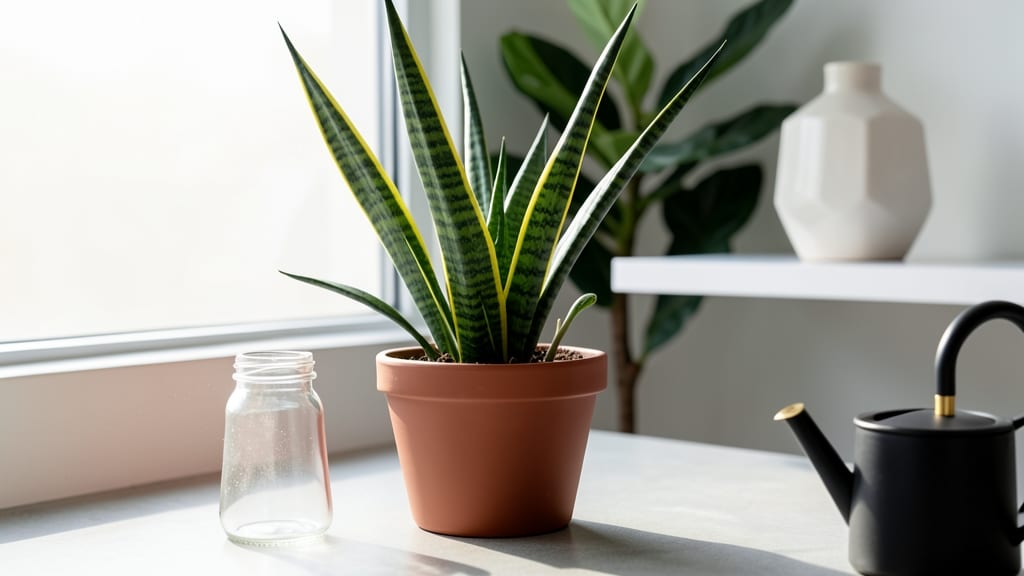
My air-purifying low-maintenance indoor plants collection started with a single snake plant that somehow survived my neglect—it’s now the centerpiece of my living room. 🌱 These NASA-approved greens don’t just look good; they scrub toxins from the air while thriving on forgetful care routines.
No fancy setups, no daily watering—just plants that reward your laziness with cleaner air and lush foliage.
The secret lies in their resilience: snake plants handle low light, peace lilies forgive irregular watering, and spider plants bounce back from occasional drought. You’ll need pots with drainage, well-draining soil, and a bright spot (even artificial light works).
Most of these plants only need water when the top inch of soil feels dry—about once every 2-3 weeks. That’s it. No green thumb required.
What you’ll get is air that’s noticeably fresher, fewer allergens floating around, and plants that stay vibrant for months without fuss. My snake plant has outlasted three apartments, and my peace lily blooms every year without me doing anything special.
The best part? These plants actually improve your home’s air quality while looking effortlessly chic.
Whether you’re a beginner or just tired of high-maintenance plants, this lineup delivers results with minimal effort. We’ll cover the top five NASA-approved varieties, their care quirks, and how to keep them thriving in any indoor space—no matter how busy (or forgetful) you are.
📚 In This Guide
- What you need
- Instructions
- Tips and common mistakes
- Wrapping up and next steps
What you need
- ● NASA-approved air-purifying plants (3–5 varieties): 1 Snake Plant (Sansevieria) (tolerates neglect, thrives in low light)
- ● 1 Spider Plant (Chlorophytum comosum) (hardy, pet-friendly)
- ● 1 Peace Lily (Spathiphyllum) (removes toxins, loves humidity)
- ● 1 ZZ Plant (Zamioculcas zamiifolia) (survives drought, low light)
- ● 1 Pothos (Epipremnum aureum) (fast-growing, trailing beauty)
- ● Containers: 4–6 pots (6–8" diameter) with drainage holes (terracotta or ceramic preferred)
- ● Well-draining potting mix: 2–3 bags (look for "cactus/succulent mix" or "all-purpose with perlite")
- ● Drainage material: Small pebbles or broken pottery shards (1–2 cups per pot)
- ● Basic tools: 1 small trowel or spoon (for planting)
- ○ 1 pair of gardening gloves (optional but handy!)
- ● 1 watering can with a narrow spout (or a spray bottle for misting)
- ○ Optional upgrades: Self-watering planters (for extra low-maintenance)
- ● Humidity tray (for tropical plants like Peace Lilies)
- ● LED grow lights (if natural light is limited)
How to choose and care for NASA-approved air-purifying indoor plants
Here’s how to select and maintain the hardiest, most effective NASA-approved plants for cleaner air—no green thumb required.
🌱 Step 1: Select the Right Plants for Your Space
Start with these four NASA-approved, low-maintenance plants that thrive indoors with minimal fuss: snake plant, spider plant, peace lily, and pothos. Each handles different light conditions—snake plants tolerate low light, while spider plants and pothos thrive in bright, indirect light. Place them where you spend the most time to maximize air purification.
Check the leaves daily for the first week. Healthy leaves should feel firm and slightly waxy—if they’re yellowing or drooping, adjust light or water immediately. These plants are forgiving, but consistency is key. A snake plant, for example, can go weeks without water, while a peace lily needs slightly more moisture.
💧 Step 2: Master the Watering Routine
Water only when the top 1-2 inches of soil feel dry to the touch. Stick your finger in the soil—if it’s damp, wait another day. Overwatering is the #1 killer of indoor plants, especially in winter when growth slows. Use a pot with drainage holes to prevent root rot, and empty the saucer 10 minutes after watering to avoid soggy roots.
For snake plants and pothos, water every 2-3 weeks in low light or every 1-2 weeks in brighter spots. Spider plants and peace lilies prefer slightly moister soil—water weekly in bright light, but reduce to every 10 days in dimmer areas. Always use room-temperature water to avoid shocking the roots.
☀️ Step 3: Position for Optimal Light and Airflow
Place your plants where they’ll get bright, indirect light—near east or north-facing windows works best. Avoid harsh direct sunlight, which can scorch leaves, especially for peace lilies. Rotate pots quarter-turn weekly so all sides get even light, preventing lopsided growth.
Ensure good airflow by placing plants 3-6 inches apart and avoiding crowded corners. A small fan on low speed near them mimics natural breezes, which helps prevent pests and keeps leaves dust-free. Dusty leaves block light absorption, so wipe them gently with a damp cloth every 2-3 weeks.
✂️ Step 4: Prune and Propagate for Long-Term Health
Trim yellow or brown leaves immediately with clean scissors to encourage new growth. For pothos and spider plants, cut 4-6 inch stem sections with leaves and place them in water to root—this gives you free plants and keeps your existing ones bushy. Snake plants and peace lilies rarely need pruning unless they outgrow their pots.
Repot every 2-3 years or when roots circle the pot. Choose a container 1-2 inches wider than the current one, and use fresh well-draining potting mix. The best time to repot is in spring, when plants naturally enter a growth phase. Avoid repotting during winter dormancy.
🪴 Step 5: Monitor and Adjust for Seasonal Changes
In winter, reduce watering by half—plants grow slower with less light. Move them closer to windows if possible, but avoid cold drafts near doors or AC vents. Watch for brown leaf tips, which signal dry air; mist leaves occasionally or place a tray of water nearby to add humidity.
Spring and summer are prime growing seasons. Increase water slightly and fertilize monthly with a balanced liquid fertilizer (half-strength). You’ll notice new leaves emerging within 2-4 weeks—that’s your sign the plant is thriving. If pests like spider mites appear, wipe leaves with soapy water or spray with neem oil for a natural solution.
Tips & tricks for perfect indoor air purifying plants
These simple strategies will help your NASA-approved plants thrive with minimal effort while maximizing their air-cleaning power.
Light Placement Matters: Pay special attention to Step 3 when positioning your plants. Snake plants can handle low light, but spider plants and pothos will reward you with faster growth when placed near east-facing windows. If your space only has north-facing light, supplement with a small grow light for 6-8 hours daily—this mimics natural sunlight without the risk of scorching leaves.
Watering Wisdom: The "top 1-2 inches dry" rule from Step 2 is your best friend, but here's what nobody tells you: Use a moisture meter for peace lilies—they're particularly sensitive to overwatering. For the other plants, stick to the schedule, but always check the soil first. I've ruined more plants by guessing than by following the rules!
Seasonal Adjustments: Winter care in Step 5 is where most people go wrong. Reducing water by half means cutting your usual frequency in half—so if you normally water weekly, switch to every other week. Also, group plants together in winter to create a microclimate that retains humidity, especially helpful for dry indoor air from heating systems.
Pruning Payoff: When you trim those yellow leaves in Step 4, don't toss them! Dry and crush the healthy leaves from pothos or spider plants, then mix them into your compost bin. This gives you free fertilizer for your other plants while reducing waste. The 4-6 inch stem cuttings for propagation will also root faster if you change the water every 3 days during the first week.
Pro Tips for Air Purifying Low Maintenance Indoor Plants
- These simple strategies will help your NASA-approved plants thrive with minimal effort while maximizing their air-cle...
- Light Placement Matters: Pay special attention to Step 3 when positioning your plants. Snake plants can handle low li...
- Watering Wisdom: The "top 1-2 inches dry" rule from Step 2 is your best friend, but here's what nobody tells you: Use...
Frequently asked questions
Got questions about keeping your air-purifying plants happy without the hassle? We’ve got answers!
Which NASA-approved plants are truly low maintenance?
The top 5 NASA-recommended low-fuss picks are snake plants (thrive in low light), ZZ plants (survive droughts), peace lilies (forgive neglect), spider plants (pet-friendly and hardy), and pothos (grows almost anywhere). All filter toxins like formaldehyde and benzene—with minimal care!
How often should I water these plants?
Most air-purifying low-maintenance plants prefer dry soil—water only when the top 1–2 inches feel dry. Overwatering kills them faster than neglect! Snake plants and ZZ plants go weeks without water, while peace lilies and pothos like slightly moister soil. Check our care guide for plant-specific tips.
Can I keep these plants in small spaces like offices or bathrooms?
Spider plants
and pothos thrive in hanging baskets or shelves, while snake plants and ZZ plants are perfect for corners or desks. Just ensure they get indirect light—most tolerate low light better than bright sun. Bathrooms? No problem! Humidity helps, but avoid soggy soil.
What if my plant’s leaves turn yellow or brown?
Yellow leaves usually mean overwatering—let the soil dry out completely before watering again. Brown tips? Low humidity or fluoride in tap water (use filtered water). Peace lilies drop leaves when thirsty, while pothos may brown from sunburn—move it to indirect light. Trim damaged leaves with clean scissors!
Are there alternatives if I don’t have a green thumb?
Yes! Try air plants (tillandsias)—they need no soil and just a weekly mist! Or opt for succulents like jade plants, which store water and need almost no attention. Even aloe vera is drought-resistant and purifies air. Start with one to test your "plant parent" skills!
| Plant | Water Needs | Light Tolerance |
|---|---|---|
| Snake Plant | Every 2–3 weeks | Low to bright indirect |
| ZZ Plant | Every 3–4 weeks | Low light (survives shade) |
| Peace Lily | When topsoil dries | Low to medium indirect |
Wrapping up and next steps
Bringing NASA-approved, air-purifying plants into your home isn’t just about cleaner air—it’s about effortless beauty and well-being! 🌿 These low-maintenance greens thrive with minimal care, making them the perfect choice for busy plant lovers.
Whether you’re a seasoned gardener or just starting out, your space (and lungs) will thank you.
Ready to breathe easier? Start small—pick one or two plants to begin, then expand as you grow more confident. Watch your indoor ecosystem flourish with zero stress and maximum impact!