
Container Gardens
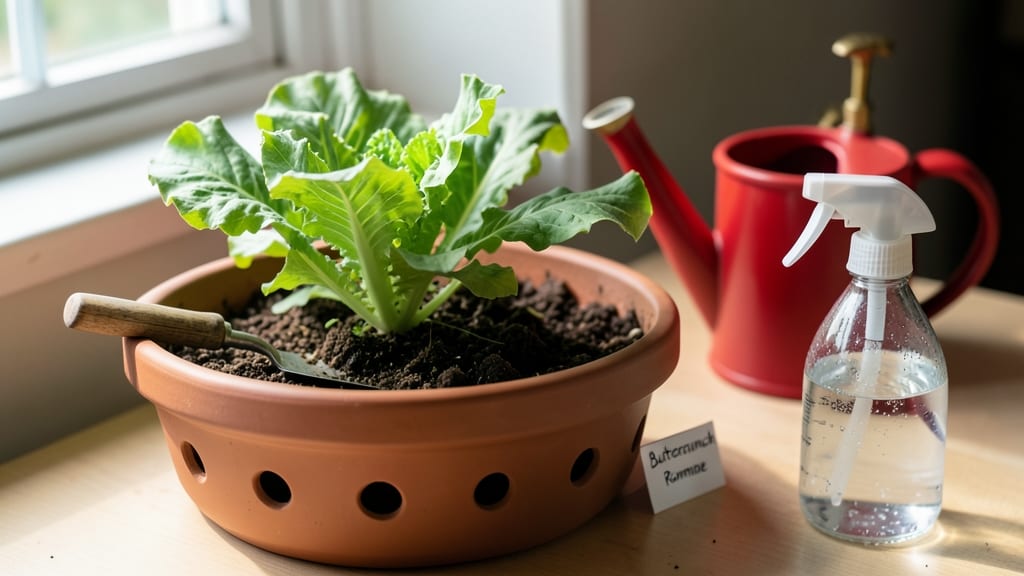
The best container for growing lettuce indoors is one that balances depth, drainage, and portability—and I’ve tested them all to find what actually works. 🌱 After years of trial and error (and a few sad, wilted lettuce casualties), I’ve narrowed it down to three foolproof options that keep roots happy without taking over your kitchen.
Plastic grow trays with drainage holes are the fastest, easiest choice for beginners—they’re lightweight, stackable, and let you grow multiple heads in one shallow setup. Fabric pots are my secret weapon for preventing root-bound stress, while ceramic containers add a stylish touch but require more maintenance.
The key? At least 6 inches deep for leaf varieties and 8 inches for romaine or butterhead. You’ll harvest crisp, tender leaves in just 3-4 weeks with the right container setup, and the best part? No more soggy soil or leggy seedlings.
The right pot keeps lettuce thriving even in low-light windows—just rotate them weekly for even growth. For small spaces, opt for hanging fabric pots or tiered shelves to maximize vertical growing. And if you’re worried about cleanup, plastic wins—just toss it in the dishwasher after harvest.
Here’s how to pick the perfect one for your setup!
📚 In This Guide
- What you need
- Instructions
- Tips and common mistakes
- Wrapping up and next steps
What you need
- ● Container: 1–2 deep containers (6+ inches deep) with drainage holes (e.g., ceramic pots, fabric grow bags, or plastic bins with holes drilled in the bottom).
- ● Size: At least 6–8 inches in diameter per lettuce plant (or a single large container for multiple plants, spaced 4–6 inches apart).
- ● Growing Medium: 1 bag (1–2 cubic feet) of well-draining potting mix (avoid garden soil—it compacts and holds too much moisture). Look for a seed-starting mix or add perlite/vermiculite (20% by volume) for aeration.
- ● Lettuce Seeds or Seedlings: Seeds: 5–10 loose-leaf or romaine lettuce seeds per container (or follow packet instructions).
- ● Seedlings: 1–2 healthy starter plants (available at garden centers).
- ● Drainage: 1–2 saucers or trays (to catch excess water).
- ○ Optional: Gravel or pebbles (1 inch layer) at the bottom of the container for extra drainage.
- ● Watering Supplies: 1 spray bottle (for gentle seedling watering) or a watering can with a fine rose.
- ● Light Source: 1 grow light (LED or fluorescent, 12–16 inches above plants) or a south-facing window (6+ hours of sunlight daily).
- ● Fertilizer: 1 balanced liquid fertilizer (5-5-5 or 10-10-10, diluted to half-strength) or slow-release granules mixed into the soil.
- ● Humidity Dome: 1 clear plastic cover (like a cut-off water bottle) to retain moisture while seeds germinate.
- ● Thermometer/Hygrometer: To monitor temperature (ideal: 60–70°F) and humidity (50–70%).
- ● Support: 1 small stake or trellis (if growing butterhead lettuce, which may flop as it matures).
- ● Self-Watering System: 1 wick or reservoir system (e.g., a DIY setup with a bottle and wick) for hands-off watering.
Step-by-Step guide to selecting and using the best containers for indoor lettuce
Here’s how to choose containers that accelerate growth while preventing common crowding issues.
🪴 Step 1: Choose Containers With Minimum 6-Inch Depth
Lettuce roots grow 8-12 inches deep—shallow pots (under 6 inches) stunt development and lead to bitter leaves. I recommend 8-10 inch deep containers for leaf varieties (like romaine or butterhead) and 12+ inch deep for head varieties (like iceberg or crisphead). Terra cotta pots with multiple drainage holes prevent root rot while allowing oxygen flow to deeper roots.
For 4 plants, a 16-inch square planter works perfectly—it gives each plant 4x4 inch spacing at maturity without crowding. Avoid plastic containers without drainage; they trap moisture and invite fungal diseases that rot lettuce roots overnight. If using fabric grow bags, ensure they’re at least 10 inches deep and labeled for food-safe materials.
🌱 Step 2: Prioritize Drainage and Soil Aeration
Fill the container with sterile seed-starting mix (never garden soil—it compacts and suffocates roots). I blend 50% coco coir and 50% perlite for maximum aeration, which is critical for lettuce’s shallow but fast-growing root systems. Tap the container gently after filling to eliminate air pockets, then water until moisture reaches 2 inches deep—this ensures even saturation without runoff.
Place a 1-inch layer of hydroponic clay pebbles at the bottom before adding soil. This creates a reservoir effect that keeps roots consistently moist without waterlogging. Lettuce hates soggy roots but wilts quickly if soil dries out—this layer solves both problems. For 4 plants, use 1 part pebbles to 3 parts soil mix by volume.
☀️ Step 3: Position for Indirect Light and Rotate Weekly
Lettuce thrives under bright, indirect light (think 6-8 hours daily of 4,000-6,000 lux). A south-facing window works, but supplement with a full-spectrum LED grow light if leaves yellow between veins—a classic sign of light deficiency. Position the light 6-12 inches above the plants and adjust as they grow to maintain that distance.
Rotate the container a quarter turn weekly so all plants receive equal light exposure. You’ll notice uneven growth if one side faces the light consistently—stems lean toward brightness, and leaves grow lopsided. Strong lettuce has deep green, crisp leaves with compact spacing between plants. If leaves stretch toward the light, your setup needs more intensity or closer proximity.
💧 Step 4: Water at Soil Level to Prevent Bolting
Water at the base using a spouted watering can to avoid wetting leaves—this prevents downy mildew, a fungal disease that turns lettuce yellow and slimy. Keep the soil evenly moist but never soggy; lettuce roots rot in standing water but bolt (go to seed) if dried out. For 4 plants, water every 2-3 days until top 1 inch of soil feels dry to the touch.
Here’s the trick: bottom-watering works best. Place the container in a tray of 1 inch of water for 10-15 minutes, then drain excess. This method ensures uniform moisture without overwatering. You’ll see crisp, tender leaves when this balance is right—wilting or bitter flavors mean your watering routine needs adjustment.
✂️ Step 5: Thin and Harvest Strategically for Continuous Growth
When seedlings reach 2 inches tall, thin to one plant per 4x4 inch space (for 4 plants, keep 4 strongest seedlings). Use clean scissors to snip excess stems at soil level—pulling risks disturbing roots. Harvest outer leaves first, leaving the inner rosette intact. This encourages regrowth and extends your harvest by 3-4 weeks per plant.
For butterhead and romaine, harvest when leaves reach 4-6 inches—young leaves are milder and sweeter. For head lettuce, wait until the head forms tightly (usually 6-8 weeks). If leaves turn bitter or bolt (send up a flower stalk), your lettuce is stressed—likely from too much light or heat. Move to a cooler spot (60-65°F) and increase shade if this happens.
Tips & tricks for perfect indoor lettuce growth
Here’s how to turn your lettuce into a thriving, crowd-free harvest—without the usual growing pains.
Container Depth Matters: The 8-12 inch depth recommendation in Step 1 isn’t just about space—it’s about root health. Lettuce roots grow aggressively downward, and shallow containers force them to compete for oxygen, leading to stunted growth and bitter flavors. For leaf varieties like romaine, I’ve found that 10-inch deep terra cotta pots strike the perfect balance between root development and surface area. If you’re growing head lettuce, don’t skimp—12+ inches is non-negotiable for those tight, crisp heads. I’ve seen iceberg lettuce bolt prematurely in containers under 10 inches because the roots can’t establish properly.
Soil Aeration is Non-Negotiable: The 50/50 coco coir and perlite mix in Step 2 isn’t just a suggestion—it’s a game-changer for preventing root rot and fungal diseases. I learned this the hard way after losing three batches of butterhead lettuce to soggy soil. The key is to tap the container gently after filling to eliminate air pockets, then water until moisture reaches 2 inches deep. This ensures the roots get the oxygen they need while staying hydrated. Pro tip: If your mix feels too dense, add an extra 10% perlite—it’s worth the small adjustment for healthier roots.
Light Rotation Prevents Lopsided Growth: That quarter turn weekly in Step 3 might seem trivial, but it’s what separates healthy lettuce from leggy, sad plants. I’ve watched lettuce seedlings stretch toward the light like sun-worshipping sunflowers, only to become weak and bitter. The trick is to rotate the container so all plants get equal exposure. If you notice one side leaning toward the light, it’s already too late—prevent it before it starts. For 6-8 hours of bright indirect light, position your grow light 6-12 inches above and adjust as the plants grow. A simple timer for your grow light can automate this and save you from daily adjustments.
Harvesting Extends Your Harvest: The 3-4 week regrowth promise in Step 5 is real, but only if you harvest correctly. I’ve seen gardeners pull entire plants instead of snipping outer leaves, which kills the inner rosette. Use clean scissors to cut leaves at the base, leaving at least 2 inches of growth on the stem. For butterhead and romaine, aim for 4-6 inch leaves—younger leaves are sweeter and more tender. And if your lettuce bolts (sends up a flower stalk), don’t panic. It’s often a sign of stress from heat or light—move it to a cooler spot (60-65°F) and increase shade to buy yourself another harvest.
Pro Tips for Best Container For Growing Lettuce Indoors
- Here’s how to turn your lettuce into a thriving, crowd-free harvest—without the usual growing pains.
- Container Depth Matters: The 8-12 inch depth recommendation in Step 1 isn’t just about space—it’s about root health.
- Soil Aeration is Non-Negotiable: The 50/50 coco coir and perlite mix in Step 2 isn’t just a suggestion—it’s a game-changer for preventing root rot and fungal diseases.
Frequently asked questions
Got questions about growing lettuce indoors? You’re not alone! Here are some of the most common concerns—and their easy solutions—to help you cultivate crisp, homegrown greens like a pro.
What’s the best size container for growing lettuce indoors?
Lettuce thrives in containers at least 6–8 inches deep to accommodate its roots. For multiple plants, use a wider tray (10+ inches) with spacing of 6–12 inches apart. Shallow dishes work for leafy varieties like butterhead, but deeper pots (12+ inches) are ideal for romaine or head lettuce to prevent root binding.
How often should I water indoor lettuce?
Keep soil consistently moist but not soggy—water when the top inch feels dry. Overwatering causes rot, while underwatering stunts growth. Use a self-watering container or place a tray under pots to maintain humidity. Pro tip: Mist leaves lightly to deter pests and boost crispness!
Can I reuse containers from last year’s herbs?
Yes, but sterilize first! Scrub containers with soapy water, rinse, and disinfect with a 1:10 bleach-water mix (let air-dry). Avoid plastic with cracks (bacteria hideouts) or containers that held acidic plants (like tomatoes), which may alter soil pH. A fresh start ensures healthy lettuce!
Why are my lettuce leaves turning yellow or bitter?
Yellowing often signals overwatering or nutrient deficiency (try a balanced fertilizer). Bitter taste? Your lettuce needs more shade—move it away from harsh light or use a sheer curtain. Check for pests (aphids, slugs) too—spray with neem oil if needed. Quick fix: Harvest outer leaves to encourage sweeter regrowth!
What’s the fastest way to regrow lettuce from store-bought?
Save money and reduce waste! Place the root base in 1–2 inches of water (change daily) until roots regrow (3–5 days). Transfer to a moist container with soil, keeping it in bright, indirect light. Most varieties (like romaine or butterhead) regrow successfully—just avoid pre-cut heads or wilted bases.
Wrapping up and next steps
Growing lettuce indoors is a rewarding way to enjoy fresh, crisp greens year-round—and the right container makes all the difference! Whether you choose a deep, narrow pot for root space or a shallow tray for quick harvests, prioritize drainage, airflow, and material durability.
With the perfect setup, you’ll harvest vibrant, crowd-free lettuce in weeks, proving that even small spaces can yield big results.
Ready to start? Pick your container, prep your seeds, and watch your indoor garden thrive! 🌱💚