
Planting
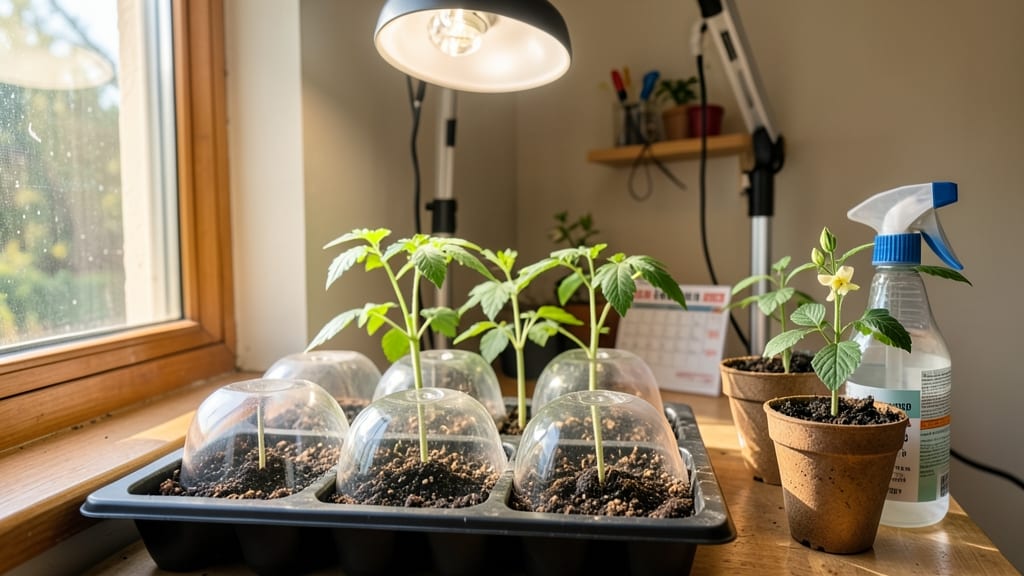
Starting vegetable seeds indoors at the best time means the difference between a thriving garden and a season of disappointment.
Picture this: you’ve spent hours under grow lights, nurturing tiny sprouts—only to watch them bolt or flop when transplanted too early. Or worse, they’re still seedlings when summer heat arrives, leaving you with nothing to harvest. Timing is everything, and your climate zone is the key to getting it right.
In Zone 6a, where last frost typically hits around April 15, most vegetable seeds should start indoors in January or February. But fast-growing crops like radishes need a different window than slow growers like tomatoes.
I’ll break down the exact countdown calendar for your zone, plus how to adjust for early or late springs.
By the end, you’ll have a foolproof schedule—no more guessing, no more wasted effort. Let’s get those seeds sprouting on the right timeline for a garden that delivers.
Climate zone seed starting countdown: exact weeks before last frost
Getting your vegetable seeds indoors at the right time means the difference between a bountiful harvest and wasted effort. The key? Knowing your USDA hardiness zone and counting backward from your last frost date.
Most seeds need 6-8 weeks indoors before transplanting, but heat-loving crops like peppers and tomatoes often need 8-10 weeks to mature.
Cool-season crops—such as lettuce, spinach, and peas—can handle cooler temperatures and often start 4-6 weeks before your last frost. Meanwhile, warm-season vegetables like cucumbers and beans prefer to go in after the soil warms, so you’ll start them earlier indoors to give them a head start.
If you live in USDA Zone 9 or 10, where frost is rare, you can start warm-season crops as early as January for a spring harvest. In Zone 3-4, where winters are harsh, begin cool-season crops indoors in February to ensure they’re ready by late spring.
Adjust your schedule if your spring arrives early or late. Check your local frost dates—they can vary by 1-2 weeks from the USDA average.
For example, if your last frost typically occurs on May 1 but you had an early warm spell, you might start seeds 2 weeks earlier to avoid bolting in cool-season crops.
Heat-loving crops like tomatoes and peppers need extra warmth. If your zone is 5 or below, start them indoors in February and use grow lights to simulate longer days. In warmer zones, you can direct-sow these crops after the soil reaches 60°F.
Don’t forget about succession planting! For crops like lettuce or radishes, start a new batch every 2 weeks to ensure a continuous harvest. This works especially well in Zones 7-10, where you can extend your growing season into fall.
Pro tip: Mark your calendar with your last frost date and work backward. For cool-season crops, count 4-6 weeks before transplanting. For warm-season crops, count 6-10 weeks—and add an extra week if you’re using slow-starting varieties like heirloom tomatoes.
If you’re unsure about your zone, use the USDA Plant Hardiness Zone Map to find your exact location. Once you know your zone, you’ll have a foolproof seed-starting timeline tailored to your climate. Happy planting!
How to adjust your seed starting schedule for early or late harvests
Want to extend your growing season or ensure a steady supply of fresh veggies? Adjusting your seed starting schedule for early or late harvests is the key. By fine-tuning when you plant, you can avoid wasted effort and maximize your garden’s potential.
Whether you’re aiming for a fall harvest or need to account for unpredictable weather, these strategies will help you stay on track.
First, consider your local frost dates and the maturity time of your chosen vegetables. For example, if you want a late summer harvest of tomatoes, start seeds 8-10 weeks before your last frost date.
But if you’re planning for a fall harvest, you’ll need to adjust your schedule to account for the shorter growing season. Staggering plantings is another smart move—planting seeds in successive batches ensures a continuous supply of fresh produce.
Unpredictable weather can throw off even the best-laid plans. If you’re in an area with late springs or early frosts, consider using season extenders like cold frames or row covers. These tools can buy you extra weeks to get seeds in the ground or keep plants growing longer.
For heat-sensitive crops like lettuce, starting seeds indoors and transplanting later can help you avoid bolting.
- Start cool-season crops (like kale or spinach) 6-8 weeks before last frost for an early spring harvest.
- For fall harvests, begin seeds 10-12 weeks before first frost to ensure maturity before cold sets in.
- Stagger plantings by 1-2 weeks for continuous harvests of crops like bush beans or zucchini.
- Use grow lights to extend the indoor growing season, especially for slow-germinating seeds like peppers.
- Adjust for unpredictable weather by planting heat-tolerant varieties or using row covers to protect young seedlings.
If you’re dealing with late springs, don’t panic. You can still get a head start by sowing fast-growing crops like radishes or lettuce directly outdoors as soon as the soil is workable.
For heat-loving crops like tomatoes or peppers, begin seeds indoors 8-10 weeks before your average last frost date—even if it feels early. Using a heat mat can speed up germination and give your plants a stronger start.
For fall and winter harvests, focus on cold-hardy crops like kale, carrots, and Brussels sprouts. Start these seeds 8-10 weeks before your first frost date to ensure they mature before the cold sets in.
If you’re in a mild climate, you might even get a second harvest of winter greens like spinach or arugula. Just be sure to protect them with row covers or low tunnels to shield them from frost.
Finally, keep a seed-starting journal to track what works and what doesn’t. Note the dates you planted, the maturity times of your crops, and any weather challenges you faced.
Over time, you’ll refine your schedule and become a pro at adjusting for your unique growing conditions. With a little planning, you’ll enjoy longer harvests and fewer wasted seeds!