
Container Gardens
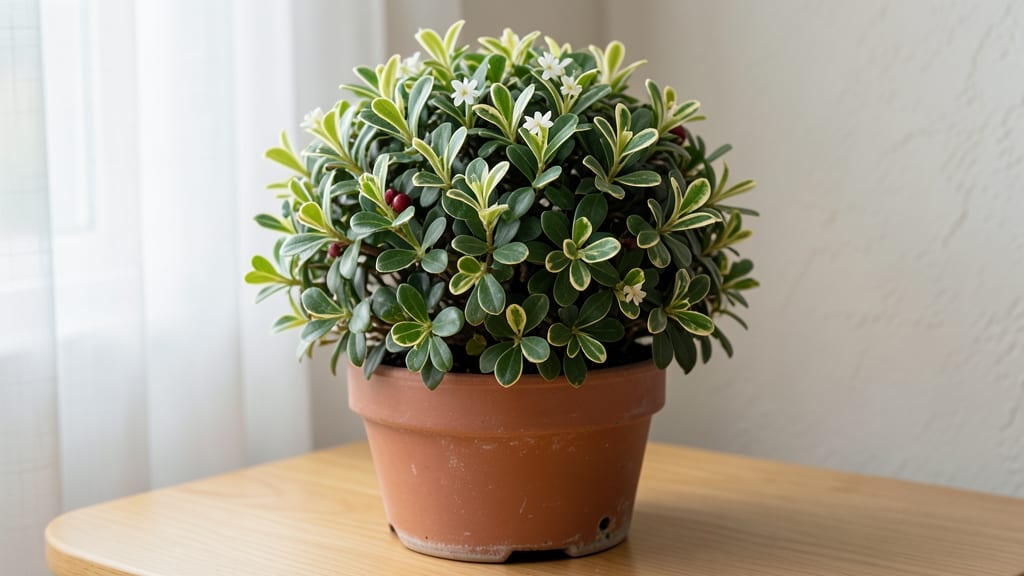
Growing the boxwood indoor plant means year-round structure and lush greenery—even in apartments with just bright indirect light. 🌿 I've kept mine thriving for years using the same simple routine: a sunny windowsill, well-draining soil, and a watering schedule that mimics its outdoor roots.
The key is avoiding the two biggest indoor killers—overwatering and drafts—that turn boxwood from elegant to sad in weeks.
You'll need a pot with drainage, a mix of potting soil and perlite (for airflow), and a spray bottle to keep humidity up without soggy roots. Boxwood tolerates neglect better than most, but it rewards consistency.
Prune lightly after new growth appears in spring, and you'll maintain that perfect rounded shape without stressing the plant. The foliage stays dense and glossy, making it the ultimate low-maintenance statement piece.
By winter's end, your boxwood will look as fresh as spring—no yellowing leaves or leggy growth if you catch problems early. The secret is checking soil moisture with your finger (top inch should be dry) and rotating the pot monthly for even light exposure.
Even in low-light offices, these plants bounce back with the right care, proving they're the ultimate indoor survivor.
Perfect for offices, living rooms, or sunrooms where you want structure without fuss. Start with a small-to-medium plant (1-2 feet tall) for easier indoor adaptation, and you'll have a living centerpiece that lasts decades. Here's how to keep it thriving year after year without the outdoor variables.
📚 In This Guide
- What you need
- Instructions
- Tips and common mistakes
- Wrapping up and next steps
What you need
- ● Boxwood plant: Choose a Buxus sempervirens (English boxwood) or Buxus microphylla (dwarf boxwood) from a nursery. Opt for a 4-6 inch pot size for manageable care.
- ● Well-draining potting mix: A 3-gallon bag of high-quality, peat-based or coco coir blend (e.g., Miracle-Gro Potting Mix or FoxFarm Ocean Forest). Mix in 20% perlite or pumice for aeration.
- ● Pot with drainage holes: A 6-8 inch ceramic or terracotta pot (avoid plastic—terracotta breathes better!). Ensure it has 3-4 drainage holes at the bottom.
- ● Watering can: A 1-gallon capacity with a rose attachment for gentle watering.
- ● Fertilizer: A balanced liquid fertilizer (e.g., 10-10-10 or 20-20-20) or slow-release granules (like Osmocote).
- ● Pruning shears: Bypass pruners (sharp, stainless steel) for shaping.
- ● Spray bottle: For light misting (boxwood loves humidity!).
- ● Humidity tray: A shallow tray filled with pebbles and water to place under the pot.
- ● Grow lights: A LED full-spectrum bulb (e.g., 15W) if natural light is low.
- ● Plant food: Worm castings or fish emulsion (every 2-3 months for a nutrient boost).
- ● Light: A bright, indirect spot (e.g., near an east or north-facing window). Tolerates 2-3 hours of morning sun.
- ● Temperature: Keep between 60-75°F (avoid drafts or cold windowsills).
- ● Humidity: Ideal range: 40-60%. Increase with a humidifier or pebble tray if air is dry.
- ● Watering schedule: Let the top 1-2 inches of soil dry between waterings (water every 5-7 days in winter, every 3-5 days in summer).
Step-by-Step instructions for growing boxwood indoors
Here’s how to keep your boxwood thriving inside with just a little attention—no fancy setup required!
🪴 Step 1: Choose the Right Boxwood and Pot
Start with a compact boxwood variety like 'Green Velvet' or 'Winter Gem'—they handle indoor conditions best. Pick a pot with drainage holes (terracotta works great) that’s only 1-2 inches larger than the plant’s root ball. I always check the bottom of the nursery pot for roots circling the edges—that’s a sign it’s time to upgrade.
Fill the pot with well-draining potting mix (avoid garden soil—it compacts and suffocates roots). Mix in a handful of perlite or sand to improve aeration. Tap the pot gently to settle the soil, then water until it drains freely from the bottom. Let it sit for 10 minutes to prevent soggy soil, which boxwoods hate.
☀️ Step 2: Position for Bright, Indirect Light
Boxwoods love bright, indirect light—think east-facing windows or a few feet from a south window. If leaves start stretching toward the light, it’s too dim. I rotate my plant quarter-turn weekly so it grows evenly. For darker spaces, supplement with a grow light 12-14 hours daily—just keep it 6-12 inches away to avoid leaf burn.
Watch for yellowing leaves near the bottom—this is often a sign of too much direct sun. Move the plant back a few feet if you notice crispy edges. Boxwoods are tough, but they’ll tell you when they’re stressed!
💧 Step 3: Water Consistently Without Overdoing It
Water when the top inch of soil feels dry—stick your finger in to check. I use room-temperature water and pour slowly until it runs out the drainage holes. Empty the saucer 10 minutes later to prevent root rot. Boxwoods prefer slightly dry soil over soggy conditions, so err on the side of less water if you’re unsure.
Mist the leaves every few weeks to mimic humidity, but don’t drown them. I notice my boxwood’s leaves stay glossier and more vibrant when I keep the air around it lightly moist—just avoid letting water pool on the foliage.
✂️ Step 4: Prune for Shape and Health
Trim back leggy growth in early spring to encourage bushier growth. Use clean, sharp pruners and cut just above a leaf node (the bump where leaves grow). I shape mine like a rounded ball—it’s easier to maintain and looks fuller. Never cut more than ⅓ of the plant at once, or you’ll shock it.
Deadhead any brown or yellow leaves immediately. Boxwoods are slow to recover from damage, so quick pruning keeps them looking fresh. After pruning, give the plant a light fertilizer (like a balanced 10-10-10) to support new growth.
🌿 Step 5: Keep It Happy Year-Round
Boxwoods are evergreens, so they don’t need dormancy. Just keep the light consistent and reduce watering slightly in winter (when indoor air is drier). I notice my plant handles the dry heat of winter better if I group it with other houseplants—it creates a mini humid microclimate.
Dust the leaves monthly with a damp cloth to help them photosynthesize. A little TLC keeps your boxwood looking lush and full for years. And if you see spider mites (tiny webs on leaves), wipe them off with soapy water—prevention is easier than treatment!
Tips & tricks for perfect boxwood indoor plant care
Here's what nobody tells you about keeping your boxwood thriving indoors—these little details make all the difference!
Pot Selection Matters: Terracotta pots are ideal because they breathe, helping prevent root rot. If you use plastic, make sure it has drainage holes and consider adding a layer of gravel at the bottom for extra airflow. I've seen boxwoods struggle in sealed pots where moisture gets trapped—this is why the 10-minute drainage wait in Step 1 is so important.
Light Rotation Strategy: That quarter-turn weekly rotation in Step 2 isn't just about looks—it prevents your boxwood from growing lopsided toward the light source. I've had to start over with plants that got too stretched out because I skipped this step. Think of it like giving your plant a gentle massage to keep it balanced.
Winter Watering Wisdom: In winter, when indoor air gets dry, reduce watering by about 20% but check that top inch of soil more frequently. I've caught myself overwatering in winter because the air feels dry, but boxwoods actually need less water then. The key is to let the soil dry out more between waterings—just don't let it get completely bone dry.
Pruning Pro Tip: When shaping in Step 4, always cut at a 45-degree angle just above a leaf node. This creates a larger surface for new growth to sprout from. I've made the mistake of cutting straight across, which leaves ugly stubs that never regrow. Also, clean your pruners with rubbing alcohol between cuts to prevent spreading disease.
Pro Tips for Boxwood Indoor Plant
- Here's what nobody tells you about keeping your boxwood thriving indoors—these little details make all the difference!
- Pot Selection Matters: Terracotta pots are ideal because they breathe, helping prevent root rot. If you use plastic, ...
- Light Rotation Strategy: That quarter-turn weekly rotation in Step 2 isn't just about looks—it prevents your boxwood ...
Frequently asked questions
Got questions about keeping your boxwood indoor plant thriving? You’re not alone! Here are some of the most common concerns—and their easy solutions.
How much light does a boxwood plant really need?
A boxwood thrives in bright, indirect light—think east or north-facing windows. Too little light? Leaves may yellow or grow sparse. Too much direct sun? Watch for brown tips. A grow light can save the day if natural light is scarce!
Why are my boxwood leaves turning brown?
Brown edges usually mean overwatering or low humidity. Let the top inch of soil dry out between waterings, and mist leaves occasionally. Underwatering can also cause browning—stick your finger in the soil to check!
Can boxwoods survive winter indoors?
Boxwoods are hardy year-round but may slow growth in winter. Keep temps between 50–70°F and avoid drafts. A cool, bright spot (like a sunroom) works best. No need to hibernate—just keep watering lightly!
What’s a good alternative if boxwoods are hard to find?
Try dwarf English ivy, Japanese holly, or dwarf yew for similar structure and low-light tolerance. Senecio serpens (string of life) is another great, trailing option for shelves or hanging pots!
How do I get rid of pests like spider mites?
Isolate your plant and wipe leaves with a neem oil spray (mix 1 tsp oil + 1 tsp mild soap in 1 quart water). Repeat weekly. For severe infestations, try an insecticidal soap. Keep humidity up to deter pests!
Can I prune boxwoods indoors like I would outdoors?
Yes! Use sharp, clean shears to shape in early spring. Prune just above a leaf node for fuller growth. Avoid heavy cuts—boxwoods respond best to light, regular trims. Wear gloves; boxwood leaves can be prickly!
Wrapping up and next steps
Bringing a boxwood indoor plant into your home is a fantastic way to enjoy lush, year-round greenery—even in low-light spaces! 🌿 With just a few simple steps and basic care, you’ll have a thriving, low-maintenance plant that adds elegance and freshness to any room.
Whether you’re a seasoned plant parent or a beginner, this resilient beauty makes it easy to grow a stunning indoor garden.
Ready to give it a try? Start by gathering your supplies, pick your favorite boxwood variety, and follow the care tips to keep it happy and healthy. Your future green oasis is just a few steps away!