
Container Gardens
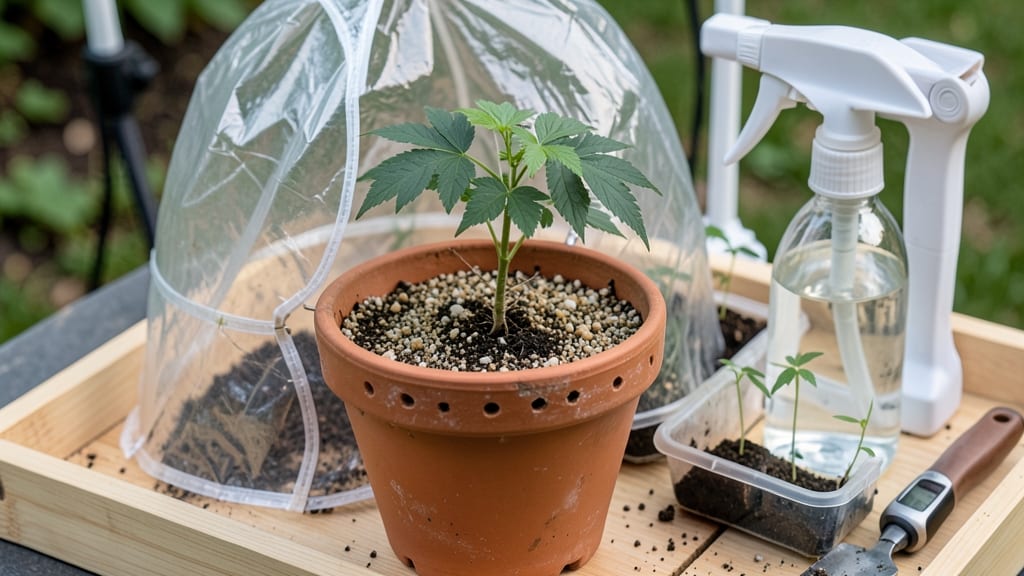
You can grow ginseng indoors, but it requires careful attention to its shade-loving nature and slow growth cycle. Use a well-draining, acidic soil mix, maintain temperatures between 60-75°F, and provide indirect light or grow lights. Be patient—indoor ginseng roots typically take 3-5 years to fully mature.
Ginseng thrives best in conditions that mimic its native forest floor, which means it needs filtered sunlight and high humidity to prevent stress. 🌿 Many growers use sheer curtains to diffuse light or set up LED grow lights on a timer to replicate natural daylight cycles.
The key is avoiding direct sunlight, which can scorch the delicate leaves. For soil, a mix of peat moss, perlite, and compost creates the ideal acidic environment (pH 5.5-6.5) while ensuring proper drainage to prevent root rot—a common issue when watering too frequently.
Starting ginseng from seeds is the most rewarding but slowest method, while transplanting small root cuttings speeds up the process. I recommend using 6-inch pots for initial growth, then upgrading to larger containers as the plant establishes.
Watering should be consistent but never soggy—think of it like maintaining a damp forest floor rather than a swamp. A spray bottle helps maintain humidity, especially in dry indoor environments.
💡 In This Article
- Ginseng Plant Requirements for Indoor Cultivation
- Step-by-Step Guide to Indoor Ginseng Propagation
Ginseng plant requirements for indoor cultivation
Ginseng's preference for shade stems from its natural habitat under dense forest canopies, where it receives only 10-30% of full sunlight. This adaptation prevents leaf scorch and conserves moisture in its roots.
The plant's leaves contain high levels of chlorophyll b, which helps it efficiently capture low-light conditions—similar to how shade-loving ferns thrive. 🌿 In indoor settings, this means positioning your ginseng near a north-facing window or using 12-hour LED grow lights set to 2,000-3,000 lux (about half the brightness of direct sunlight).
Too much light triggers stress responses, causing yellowing leaves or stunted growth.
The ideal soil pH of 5.5-6.5 isn't just a number—it's crucial for nutrient uptake. Ginseng roots produce organic acids that help dissolve minerals like potassium and phosphorus in acidic conditions, which are essential for root development.
A mix of 50% peat moss (for acidity), 30% perlite (for drainage), and 20% compost creates this perfect balance. Unlike many plants, ginseng hates soggy roots—water should drain within 2-3 hours to prevent anaerobic bacteria that cause rot. Think of it like a sponge that's always damp but never dripping.
Temperature sensitivity explains why most indoor failures happen in winter. Ginseng thrives at 60-75°F, but drops below 50°F or spikes above 80°F trigger metabolic slowdowns. The plant's native range in North America's deciduous forests experiences these moderate swings naturally.
To mimic this indoors, place your ginseng away from heating vents and drafts. A space heater with a thermostat set to 68°F works well for winter maintenance, while summer AC units should never drop below 65°F during operation. 🌡️
Humidity plays an underrated role—ginseng needs 60-70% relative humidity to prevent leaf curling and root desiccation. Most homes sit at 30-50% humidity in winter, which is why growers use pebble trays with water or humidifiers near the plants.
The goal is to keep the air moist enough that water beads form on leaves in the morning but not so wet that mold appears. This mimics the forest floor's microclimate where ginseng evolved.
A simple way to test is to place a hygrometer near your plants—if it reads below 55%, take action immediately.
What most people overlook is the plant's dormancy cycle. In autumn, ginseng naturally slows growth as temperatures drop—a process called vernalization. Indoors, you can trigger this by reducing water slightly and moving plants to 55-60°F for 4-6 weeks.
This prepares the roots for their 3-5 year maturation period, where they develop the complex ginsenoside compounds that give ginseng its medicinal properties. Skipping this step often results in weak, spindly plants that never reach their full potential. 💫
For container selection, choose unglazed clay pots (which breathe better than plastic) with drainage holes, but avoid metal containers that can alter soil chemistry. The pot should be 2-3 inches wider than the root ball to allow growth without transplant shock.
Many growers start with 6-inch pots and upgrade to 12-inch containers after 2 years. The key is to match the pot size to the plant's current needs—not its future potential. Overpotting leads to waterlogging, while underpotting restricts root expansion.