
Flowers
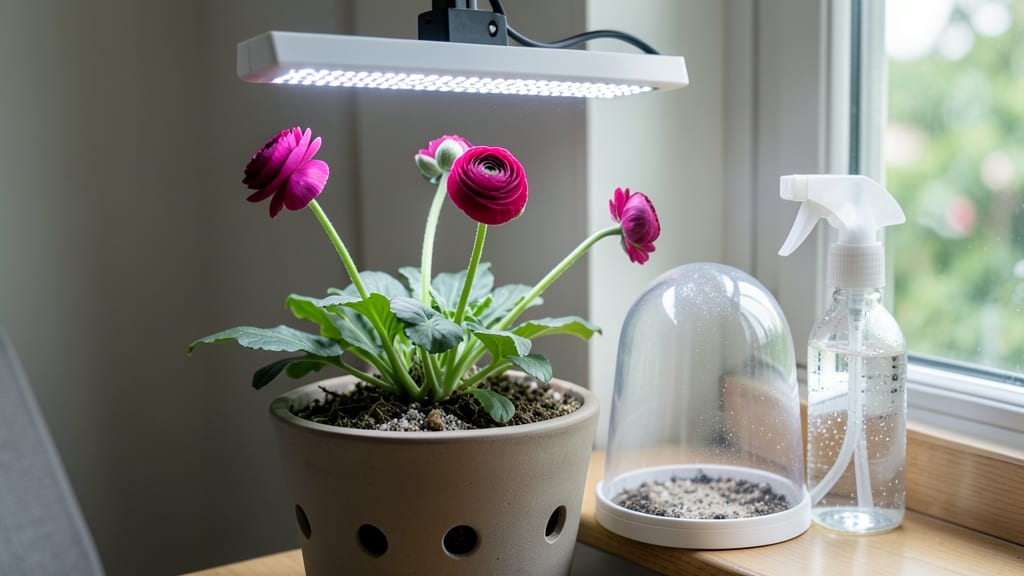
Growing ranunculus indoors isn't just possible—it's the secret to year-round color that outshines most houseplants. 🌸 I've grown them in my sunroom for three winters now, and the papery blooms in every shade from blush to deep burgundy never fail to impress.
The key isn't just the right pot or soil—it's understanding their dormancy cycle and how to trick them into blooming indoors when they'd normally rest outside.
You'll need a cool, bright spot (60-65°F) with at least 6 hours of light daily—supplemental grow lights work wonders if your space is dim. The soil should drain like a sponge but hold moisture, and containers need drainage holes to prevent rot.
Most people overwater, thinking these delicate blooms need constant moisture, but ranunculus roots prefer to dry slightly between waterings.
By late winter, you'll see those signature layered blooms unfurling, each one lasting 7-10 days indoors. The secret to repeat blooming? A short dormancy period in late summer—just let the foliage die back and reduce watering for 6-8 weeks before encouraging new growth. It's like giving them a mini-winter vacation.
Indoor ranunculus thrive where outdoor ones struggle—no summer heat stress, no pests from the garden, and no waiting for spring. The trade-off? They bloom 2-3 weeks later than outdoor plants but make up for it with longer vase life and the ability to brighten any room from December to March.
Here's how to set it up right from the start.
📚 In This Guide
- What you need
- Instructions
- Tips and common mistakes
- Wrapping up and next steps
What you need
- ● Ranunculus bulbs (corms): 5–10 Ranunculus asiaticus corms (choose vibrant colors like pink, red, or white).
- ● Well-draining potting mix: 2–3 gallons of cactus/succulent mix or a blend of 50% perlite + 50% peat moss.
- ● Containers: Shallow pots (6–8 inches deep) with drainage holes—terracotta or ceramic works best.
- ● Grow lights: Full-spectrum LED (12–15W) or fluorescent bulbs (2–3 feet above plants).
- ● Watering can: With a fine rose nozzle for gentle hydration.
- ○ Optional: Chitting tray (for pre-sprouting corms in a cool, dark spot).
- ○ Optional: Humidity dome (to retain moisture while sprouting).
- ○ Optional: Fertilizer (balanced 10-10-10 or low-nitrogen option).
Step-by-step instructions for growing ranunculus indoors
Here’s how to transform delicate ranunculus bulbs into lush, low-light blooms—no greenhouse needed.
🌱 Step 1: Select and Prep Bulbs for Indoor Growth
Choose fresh, firm ranunculus bulbs (available at garden centers or online). Unlike outdoor varieties, indoor ranunculus thrive with a slightly different approach—start by soaking them in lukewarm water for 6-8 hours to soften the outer layers. This mimics natural spring rains and kickstarts root growth before planting.
After soaking, let them dry briefly on a paper towel. The bulbs should feel slightly tacky but not soggy. Planting them too wet risks rot, while dry bulbs may struggle to establish roots. I like to work with them in the evening so they settle in overnight before their first light exposure.
🪴 Step 2: Plant in Well-Draining Containers
Use a shallow container with drainage holes—6-inch pots work well for 4 bulbs. Fill it with a mix of 50% potting soil and 50% perlite or coarse sand to prevent soggy roots. Ranunculus bulbs hate waterlogged conditions, so drainage is non-negotiable.
Plant bulbs 2 inches deep, with the pointed end facing up. Space them 2 inches apart to allow stems room to grow without crowding. Gently press the soil around them—just enough to hold them in place, but don’t compact it. The goal is to mimic their natural loose, airy soil environment.
☀️ Step 3: Provide Indirect Light and Consistent Moisture
Place your container in a spot with bright, indirect light—think east-facing windows or a few feet from a south-facing one. Direct sun can scorch the delicate petals, while too little light leads to weak stems. You’ll know the light is right when the leaves stay vibrant green without yellowing.
Water gently from the bottom by placing the pot in ½ inch of water for 10 minutes every 5-7 days. Let the soil dry slightly between waterings—ranunculus bulbs rot easily if kept too wet. Avoid wetting the leaves, as moisture there encourages fungal issues. Once shoots appear (usually in 4-6 weeks), reduce watering to every 7-10 days.
⏰ Step 4: Encourage Blooms with Strategic Care
When stems reach 6-8 inches tall, they’ll start forming buds. This is the moment to move them to a slightly cooler spot (around 60-65°F) if your home stays warm. The temperature drop mimics their natural dormancy period and triggers blooming. You’ll see buds open in 3-4 weeks—patience pays off here.
Deadhead spent blooms immediately to redirect the plant’s energy into new flowers. Snip stems just above the next set of leaves with clean scissors. Avoid over-pruning, though—ranunculus are delicate and can wilt if handled too roughly. With proper care, a single batch of bulbs can produce 3-4 flushes of blooms before needing a rest period.
🌿 Step 5: Extend Blooms with Seasonal Adjustments
After the final flush of flowers, let the foliage die back naturally. Reduce watering to every 2-3 weeks and move the pot to a darker, cooler spot (around 50-55°F) for 6-8 weeks. This mimics winter dormancy and prepares the bulbs for another round of growth. In late winter, bring them back into light and resume regular watering to restart the cycle.
For year-round color, stagger planting batches every 4-6 weeks. This ensures you always have fresh blooms without waiting for seasonal changes. Ranunculus are finicky but rewarding—once you master their light and moisture needs, they’ll bloom reliably indoors for years.
Tips & tricks for perfect indoor ranunculus growth
Here's what nobody tells you—these subtle details make all the difference with finicky ranunculus.
Soaking Secret: That 6-8 hour soak in lukewarm water isn't just about hydration—it's about breaking dormancy. Use water that feels warm to your wrist, not scalding. I've found adding a pinch of hydrogen peroxide (1 teaspoon per gallon) to the soaking water prevents fungal spores from clinging to the bulbs. This extra step cuts down on potential rot issues later. The bulbs should feel plump but not waterlogged after drying.
Container Intelligence: While 6-inch pots work perfectly for 4 bulbs, consider using individual 4-inch pots if you're growing just 1-2 bulbs. This prevents overcrowding and makes it easier to monitor each bulb's moisture needs. For larger batches, use a shallow tray with drainage holes—just make sure the perlite/sand mix stays at that critical 50/50 ratio. The extra aeration prevents that dreaded bulb rot that kills so many indoor attempts.
Light Strategy: Bright indirect light is non-negotiable, but here's the pro move: rotate your containers quarter-turn weekly to ensure even growth. You'll notice stems leaning toward the light source—this is their way of telling you they need repositioning. For apartments without good windows, a grow light on a timer (12-14 hours/day) works wonders. Just keep it 6-12 inches above the plants to prevent leaf burn.
Bloom Trigger: That 60-65°F temperature drop when stems hit 6-8 inches isn't just about cooler temps—it's about the contrast. If your home stays consistently warm, move the plants to a cool basement corner or garage (just not freezing!) for 1-2 weeks before bringing them back to room temperature. This shock signals the bulbs to focus energy on flowering rather than leaf growth. I've seen buds form in just 10 days after this treatment!
Pro Tips for Can You Grow Ranunculus Indoors
- Here's what nobody tells you—these subtle details make all the difference with finicky ranunculus.
- Soaking Secret: That 6-8 hour soak in lukewarm water isn't just about hydration—it's about breaking dormancy. Use wat...
- Container Intelligence: While 6-inch pots work perfectly for 4 bulbs, consider using individual 4-inch pots if you're...
Frequently asked questions
about growing ranunculus indoors—because every gardener deserves clarity!Can ranunculus survive in low-light conditions?
While they prefer bright, indirect light, ranunculus can tolerate moderate low light—but expect slower growth and fewer blooms. Place them near an east-facing window or supplement with a grow light (12–14 hours/day) to keep them thriving. Avoid dark corners!
How long does it take for indoor ranunculus to bloom?
With ideal care, you’ll see buds in 8–12 weeks after planting. Patience is key! Use pre-chilled bulbs (or mimic winter with a fridge trick) to speed up flowering. Pro tip: Pinch back leggy stems to encourage bushier growth and more blooms.
Why are my ranunculus leaves turning yellow?
Yellow leaves usually signal overwatering or root rot. Let the top inch of soil dry out between waterings, and ensure pots have drainage holes. If the roots smell sour or look mushy, trim the bad parts and repot in fresh, well-draining mix. Bonus: Yellowing can also mean too much light—adjust as needed!
What’s the best indoor pot size for ranunculus?
Aim for a pot 3–4 inches wide per bulb (or cluster of 3–5 bulbs). Too small = crowded roots; too big = soggy soil. Use a container with drainage holes, and fill with a mix of potting soil + perlite (60/40 ratio) to prevent waterlogging. Fun fact: Terracotta pots help wick away excess moisture!
Are there ranunculus varieties better for indoors?
Yes! Dwarf varieties like ‘Buttercup’ or ‘Persian Jewel’ (12–18” tall) adapt best to indoor spaces. Avoid giant varieties (like ‘Strawberry Fields’)—they’ll outgrow your home! For extra color, try double-flowered types; they’re showstoppers with minimal fuss.
Do indoor ranunculus need a dormancy period?
Not strictly, but a 2–3 month "rest" period (after blooming) mimics their natural cycle. Reduce watering, move to cooler temps (50–60°F), and trim dead foliage. In spring, resume care—your bulbs may rebloom! No dormancy? They’ll still grow but may flower less vigorously.
Wrapping up and next steps
Growing ranunculus indoors is absolutely doable—even with limited light! 🌱 With the right containers, soil, and care routine, you can enjoy their vibrant blooms year-round. Just remember to mimic their natural habitat by keeping them cool, watering wisely, and providing bright (but indirect) light when possible.
Now that you’re armed with the know-how, why not give it a try? Start small with a single pot or experiment with different varieties. Happy growing—your indoor garden (and future bouquets!) will thank you. 🌸