
Container Gardens
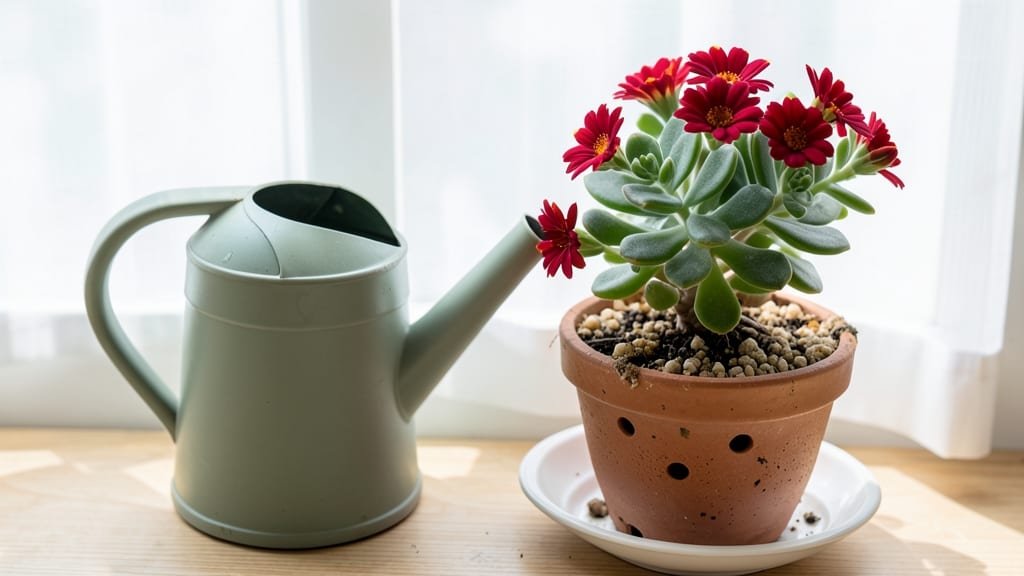
Indoor kalanchoe care isn’t just about survival—it’s about turning that dusty corner into a year-round showstopper. 🌿 I’ve kept mine blooming through winters where other plants just sulk, and the secret isn’t complicated: it’s about understanding their drought-loving nature and working with it, not against it.
Most people drown them by default, but kalanchoes actually thrive when you treat them like the desert survivors they are.
The real game-changer is the 14-14 rule: let the soil dry completely between waterings, then give it a thorough soak until water runs out the bottom.
Overwatering is the #1 killer, but once you master this rhythm, your plant will reward you with bold, long-lasting blooms that last for weeks—even in dimmer indoor spaces. And yes, you can absolutely grow them under artificial light if your home lacks natural brightness.
Pruning isn’t just for shaping—it’s how you encourage more flowers. Pinch back leggy stems in early spring, and you’ll trigger a second flush of blooms by summer. The leaves? They’re edible (though bitter), and their thick, waxy texture makes them nearly indestructible.
That’s right: even if you forget to water for a week, they’ll bounce back like nothing happened.
Here’s the kicker: your kalanchoe will actually tell you when it’s happy. Healthy leaves should be firm, not wrinkled, and the stems won’t feel mushy to the touch. Get this right, and you’ll have a plant that outlasts trends, outshines fads, and becomes the quiet hero of your indoor jungle.
Let’s get yours thriving—no green thumb required.
📚 In This Guide
- What you need
- Instructions
- Tips and common mistakes
- Wrapping up and next steps
What you need
- ● Kalanchoe plant – Choose a healthy specimen with vibrant leaves (1-3 plants, depending on pot size).
- ● Well-draining potting mix – 2-3 gallons of a cactus/succulent blend (e.g., 50% cactus soil + 50% perlite/pumice).
- ● Pot with drainage holes – 1-2 terracotta or ceramic pots (size: 6-10 inches, 1-2 inches larger than the root ball).
- ○ Grow lights (optional but critical for low-light setups) – 1-2 LED full-spectrum bulbs (6000K-6500K, 10W-20W) or a smart grow light (e.g., 12-16 hours/day).
- ● Watering can with a narrow spout – 1 (to avoid overwatering).
- ● Fertilizer (balanced or succulent-specific) – 1 bottle of liquid fertilizer (5-10-5 or 2-7-7 NPK ratio, diluted to half-strength).
- ● Trowel or small shovel – For repotting (if needed).
- ○ Spray bottle – For misting (optional, for humidity-loving varieties).
- ● Moisture meter – 1 (to check soil dryness before watering).
- ● Pruning shears – Small pair (for trimming leggy stems).
- ○ Decorative pebbles or mulch – Optional, for aesthetics (1-2 cups).
Step-by-step instructions for kalanchoe care indoors
Here's how to keep your kalanchoe blooming beautifully year-round with minimal fuss.
🌱 Step 1: Choose the Right Light Spot
Kalanchoes need bright, indirect light for at least 6 hours daily—they're not fussy about sunlight direction, but a south- or east-facing window works best. If your home lacks natural light, a grow light (LED preferred) positioned 12-18 inches away for 12-14 hours daily will do the trick.
Watch for signs of light stress: leggy stems or pale leaves mean it's too dim, while brown leaf tips or sunburn spots mean it's too harsh. Rotate the pot quarter-turn weekly so the plant grows evenly—you'll notice uneven growth if one side leans toward the light.
💧 Step 2: Master the Watering Routine
Water your kalanchoe only when the top 1-2 inches of soil feel completely dry—this usually means every 7-10 days, but adjust based on your home's humidity. Stick your finger in the soil: if it's damp past your first knuckle, wait a few more days. Overwatering is the #1 killer of kalanchoes, leading to root rot and droopy leaves.
When you do water, soak the soil thoroughly until water runs out the drainage hole, then empty the saucer. I always water in the morning so excess moisture evaporates by evening. Yellowing leaves? That’s often a sign of overwatering—let the soil dry out completely before watering again.
☀️ Step 3: Encourage Blooming with Strategic Care
To trigger blooms, give your kalanchoe 12-14 hours of darkness daily for 6-8 weeks—this mimics its natural winter cycle. Use a blackout box or move the plant to a dark closet every evening. Skip artificial light during this time, even nightlights. You’ll see buds form after about 8 weeks of this routine.
Once flowers appear, keep the plant in bright light and reduce water slightly—blooming plants need less moisture. Deadhead spent blooms by pinching them off at the base to encourage new flowers. If your kalanchoe stops blooming, it’s usually a sign it needs more darkness or a rest period.
✂️ Step 4: Prune and Propagate for Fullness
After blooming, trim leggy stems back by one-third to encourage bushier growth. Use clean, sharp scissors and cut just above a leaf node. This also gives you stem cuttings for propagation—just place them in dry soil (no water needed!) and they’ll root in 2-3 weeks. I always propagate in spring for a fresh start.
Remove any yellow or brown leaves immediately—they drain energy from the plant. If your kalanchoe outgrows its pot (usually after 2-3 years), repot it into a container just 1-2 inches larger in diameter. Overpotting leads to root rot and weak growth. Choose a pot with drainage holes and fresh, well-draining soil.
🪴 Step 5: Maintain Year-Round Health
Feed your kalanchoe once in spring with a balanced, water-soluble fertilizer (diluted to half-strength). Skip fertilizer in winter—this plant goes dormant naturally. Dust leaves occasionally with a damp cloth to help it absorb light better. If you notice pests like mealybugs, wipe them off with rubbing alcohol on a cotton swab—never use chemical sprays indoors.
Every few months, check the roots by gently removing the plant from its pot. If roots look dark and mushy, trim them back and repot in fresh soil. Healthy roots are firm and white. This simple check prevents root rot before it becomes a problem. With these steps, your kalanchoe will thrive for years with almost no effort!
Tips & tricks for perfect kalanchoe care indoors
These simple secrets will help your kalanchoe thrive indoors—even when sunlight is scarce.
Light Optimization: If your home lacks natural light, position your grow light 12-18 inches away and use it for 12-14 hours daily to mimic summer conditions. I've found that placing the light slightly above the plant (rather than at eye level) helps prevent leggy growth. For maximum efficiency, use a timer so you don't have to remember to turn it on and off—consistency is key with these light-sensitive plants.
Watering Wisdom: The 7-10 day watering window can feel vague, so here's a better trick: stick a wooden chopstick or popsicle stick into the soil. Mark the depth with a pencil at 1-2 inches. When the mark is dry, it's time to water. This visual cue takes the guesswork out of the soil test. I always water in the morning to give excess moisture time to evaporate before evening—this prevents the fungal issues that cause those dreaded yellow leaves.
Blooming Hack: For the 6-8 week darkness treatment, I recommend using a simple cardboard box with black construction paper taped to the inside. Place your kalanchoe inside for its daily 12-14 hours of darkness. The box creates a more consistent dark environment than a closet, where stray light might sneak in. You'll notice buds forming after about 8 weeks—this is your reward for patience! Once flowers appear, reduce water slightly to help them last longer.
Propagation Shortcut: When taking stem cuttings for propagation, let them dry out for 1-2 hours before placing in dry soil. This callusing process helps prevent rot when you plant them. I've had success using small plastic cups with drainage holes punched in the bottom—just place the cutting in the cup with dry soil and wait 2-3 weeks for roots to form. No need for water during this process, which makes it perfect for busy plant parents.
Pro Tips for Care Of Kalanchoe Indoors
- These simple secrets will help your kalanchoe thrive indoors—even when sunlight is scarce.
- Light Optimization: If your home lacks natural light, position your grow light 12-18 inches away and use it for 12-14 hours daily to mimic summer conditions.
- Watering Wisdom: The 7-10 day watering window can feel vague, so here's a better trick: stick a wooden chopstick or popsicle stick into the soil.
Frequently asked questions
Got questions about keeping your Kalanchoe happy indoors? You’re not alone! Here are answers to the most common concerns—because even low-light superstars need a little TLC.
How often should I water my indoor kalanchoe?
Water your Kalanchoe only when the top 1–2 inches of soil are completely dry—usually every 2–3 weeks. Overwatering is the #1 killer! These succulents store water in their leaves, so soggy soil leads to root rot. Stick your finger in the soil to test—if it’s damp, wait a few more days. Pro tip: Group plants together to create a microclimate that reduces evaporation!
Can kalanchoe survive in low-light conditions?
Yes, but with compromises! While they thrive in bright, indirect light, Kalanchoe can tolerate low-light spots if you adjust care. Expect slower growth and fewer blooms. Place it near a north-facing window or supplement with a grow light (12–14 hours/day). If leaves stretch or pale, it’s begging for more light!
Why are my kalanchoe leaves turning yellow or mushy?
Yellow, mushy leaves usually mean overwatering or poor drainage. Check these fixes:
- Drainage: Ensure the pot has holes, and use a cactus/succulent mix with perlite or sand.
- Watering: Let the soil dry out thoroughly between waterings. If roots smell rotten, trim the healthy parts and repot in fresh soil.
- Light: Yellow edges can also signal sunburn—move it away from harsh afternoon sun.
How do I get my kalanchoe to bloom indoors?
Trick your Kalanchoe into blooming with a 14-hour "night" period (total darkness) for 6–8 weeks. Here’s how:
- Place it in a dark closet or cover with a box after sunset.
- Resume normal light exposure at sunrise.
- Keep soil slightly moist but not soggy during this time.
What’s the ideal temperature range for indoor kalanchoe?
Kalanchoe loves warmth but hates drafts. Keep it in 65–80°F (18–27°C) during the day and no lower than 50°F (10°C) at night. Avoid cold windowsills or AC vents—sudden temperature drops can cause leaf drop. If your home gets chilly, move it away from exterior walls.
Wrapping up and next steps
Caring for your kalanchoe indoors is all about balance—light, water, and a little patience! With the right tricks, like maximizing indirect light and adjusting care for each season, your plant will thrive even without direct sunlight.
Remember, confidence comes with consistency, so don’t hesitate to tweak your approach as you learn what works best for your home.
Ready to take the next step? Experiment with propagation—grow new plants from those leaf cuttings and share the joy! Your kalanchoe’s vibrant blooms will be the star of your indoor garden in no time. 🌱✨