
Container Gardens
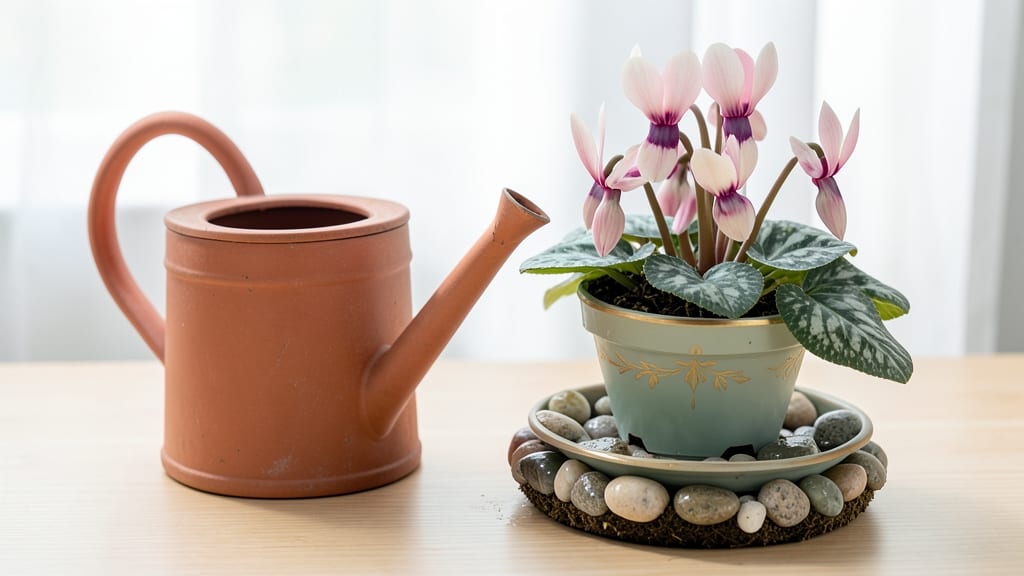
Caring for cyclamens indoors means never saying goodbye to their velvety blooms—even when winter turns everything outside to ice. 🌿 I’ve kept mine flowering for six months straight by mastering just two things: light and timing.
Most people overwater or move them too often, which kills the delicate roots. But once you get the rhythm right, these plants reward you with blossoms year after year.
The secret starts with light: bright, indirect sunlight is non-negotiable. A north-facing window or a grow light 6–12 inches away keeps them happy without scorching the leaves. Too much direct sun? The blooms fade fast.
Too little? They’ll stretch and look sad. I’ve also learned to rotate the pot weekly—just a quarter turn—to keep growth even. Temperature matters too: keep them between 60–70°F, and they’ll bloom like clockwork.
Watering feels counterintuitive—only when the top inch of soil is dry. These plants hate soggy roots, but they also won’t forgive you if you let them wilt. I use a self-watering cache pot to avoid overdoing it, and I always water from the bottom to prevent rot.
The blooms? They’ll last 8–12 weeks if you prune spent flowers and keep the leaves dust-free. That’s right—no deadheading drama, just consistent care.
Repotting every 2–3 years keeps them thriving, and a well-draining mix (equal parts potting soil and perlite) prevents the dreaded root rot. The biggest mistake? Ignoring the dormancy period after blooming.
Let the leaves yellow naturally—don’t cut them back—and they’ll bounce back stronger next season. Trust the process, and you’ll have cyclamens that outlast every other houseplant in your home.
📚 In This Guide
- What you need
- Instructions
- Tips and common mistakes
- Wrapping up and next steps
What you need
- ● Cyclamen plant: 1 healthy specimen (choose Cyclamen persicum for classic blooms or Cyclamen hederifolium for hardier varieties).
- ● Well-draining potting mix: 1 bag (1–2 gallons) of pearlite or orchid mix blended with cactus/succulent soil (3:1 ratio).
- ● Pot with drainage holes: 1 container (4–6 inches in diameter) with a saucer to catch excess water.
- ● Watering can or spray bottle: 1 with a rose nozzle for gentle hydration.
- ● Pruning shears: 1 pair (sterilized with rubbing alcohol).
- ○ Grow lights (optional but ideal):strong> 1–2 LED full-spectrum bulbs (6000K–6500K) or a grow light fixture for 12–14 hours/day.
- ● Humidity tray or pebble tray: 1 (for Cyclamen persicum, which loves moisture).
- ● Fertilizer: 1 bottle of balanced liquid fertilizer (10-10-10 or 20-20-20, diluted to half-strength).
- ○ Thermometer/hygrometer (optional): 1 to monitor 60–70°F (15–21°C) temps and 50–70% humidity.
- ● 🌡️ Avoid drafts: Keep your cyclamen away from AC vents, heaters, or cold windows.
- ● ✨ Repot every 2–3 years: Refresh the soil to prevent root rot and nutrient depletion.
- ● 🔥 Sterilize tools: Wipe pruners with alcohol before trimming to avoid disease.
Step-by-Step guide to pruning and light management for indoor cyclamens
Here’s how to keep your cyclamens thriving indoors with precise light control and strategic pruning.
☀️ Step 1: Position for Bright, Indirect Light
Cyclamens crave bright, indirect light—think east-facing windows or 4-6 feet from a south-facing window. Direct sun scorches their delicate leaves, while dim corners cause leggy stems and sparse blooms. I place mine on a rotating plant stand so each side gets even exposure over time.
Watch for yellowing leaves—a sign of too much light—or stretched stems (a cry for more brightness). Adjust placement daily if needed, especially in winter when sunlight weakens. A grow light on a timer (12-14 hours daily) works wonders if natural light falls short.
✂️ Step 2: Prune Spent Blooms and Foliage
Deadhead faded blooms just above the first set of leaves using clean, sharp scissors. This redirects energy to new flowers instead of seed production. I snip at a 45-degree angle to prevent water pooling—cyclamens hate soggy stems. Never cut into woody growth; focus only on spent stems and yellowed leaves.
After flowering, let the foliage die back naturally. Don’t rush to prune—cyclamens store energy in their tubers for next season’s blooms. Once leaves turn brown and crispy, trim them 1 inch above the soil line to encourage dormancy. This is your cue to reduce watering and let the plant rest.
💧 Step 3: Adjust Watering Based on Growth Stage
Water cyclamens only when the top inch of soil feels dry—overwatering is their #1 killer. I use a self-watering pot with drainage holes to prevent root rot. During active growth (spring-fall), keep soil evenly moist but never soggy. In dormancy (winter), let the top 2 inches dry out completely between waterings.
Bottom-watering is key: place the pot in a saucer of water for 10-15 minutes, then drain excess. This avoids wetting the leaves, which invites fungal diseases. Yellowing leaves? You’re likely overwatering. Brown edges? Time to increase humidity with a pebble tray or misting (but never soak the flowers).
🌱 Step 4: Fertilize Lightly During Blooming Season
Feed cyclamens every 4-6 weeks with a balanced, water-soluble fertilizer (10-10-10) diluted to half-strength during active growth. Over-fertilizing burns roots and causes salt buildup. I skip fertilizer entirely in winter when the plant is dormant—no food, no blooms, no stress.
Look for dark green, glossy leaves as a sign of proper feeding. Pale or slow growth? Time to fertilize. But if you notice brown leaf tips, flush the soil with water to remove excess salts. Organic options like fish emulsion (diluted to ¼ strength) work too, but cyclamens prefer consistency over richness.
⏰ Step 5: Rotate and Repot Every 2-3 Years
Rotate your cyclamen quarter-turn weekly so it grows upright, not lopsided toward the light. This simple habit prevents weak stems and ensures even blooming. When roots emerge from drainage holes or growth stalls, it’s time to repot into a container just 1-2 inches larger than the current one.
Use well-draining potting mix (equal parts peat, perlite, and orchid bark) to prevent root rot. Gently tease apart crowded roots and trim any mushy or blackened sections with sterilized scissors. Repot in early spring before new growth begins—cyclamens resent disturbance during dormancy.
Tips & tricks for pruning and light mastery with cyclamens
These insider strategies will help you troubleshoot common challenges and extend your cyclamens' blooming season effortlessly.
Light Adjustment: In Step 1, if your cyclamen develops stretched stems or sparse blooms, it’s begging for more light. Move it closer to the window or supplement with a grow light for the full 12-14 hours daily. I’ve found that placing a mirror opposite the window can double the effective light exposure without direct sun damage. The key is to mimic natural light cycles—cyclamens thrive on consistency.
Pruning Precision: When deadheading in Step 2, focus on cutting just above the first set of leaves at a 45-degree angle. This prevents water from pooling at the stem base, which cyclamens despise. I use small floral scissors sterilized with rubbing alcohol to avoid introducing bacteria. After flowering, resist the urge to prune too early—wait until foliage turns brown and crispy before trimming 1 inch above the soil line to protect the tuber’s energy reserves.
Watering Wisdom: The 10-15 minute bottom-watering technique in Step 3 is non-negotiable for preventing root rot. I’ve learned this the hard way after losing plants to overwatering—always drain excess water completely. For extra humidity, place the pot on a tray filled with pebbles and water (but never let the pot sit in standing water). This mimics their natural damp forest floor environment without risking soggy soil.
Fertilizer Strategy: During active growth, stick to the every 4-6 weeks schedule with half-strength fertilizer. I’ve found that cyclamens respond better to smaller, frequent feedings than heavy doses. If you notice brown leaf tips, it’s a clear sign of salt buildup—flush the soil with water immediately. For organic options, fish emulsion diluted to ¼ strength works beautifully, but remember: consistency matters more than richness.
Pro Tips for Caring For Cyclamens Indoors
- These insider strategies will help you troubleshoot common challenges and extend your cyclamens' blooming season effortlessly.
- Light Adjustment: In Step 1, if your cyclamen develops stretched stems or sparse blooms, it’s begging for more light.
- Pruning Precision: When deadheading in Step 2, focus on cutting just above the first set of leaves at a 45-degree angle.
Frequently asked questions
Got questions about keeping your cyclamens thriving indoors?
Here are some of the most common concerns—plus quick fixes to keep those vibrant blooms coming year-round!
How often should I water my indoor cyclamen?
Water your cyclamen only when the top inch of soil feels dry. Overwatering is the #1 killer—these plants hate soggy roots! Use room-temperature water and avoid wetting the leaves to prevent fungal issues. A saucer with pebbles (and no standing water) helps regulate moisture. Pro tip: Stick your finger in the soil to check moisture levels!
Why is my cyclamen not blooming?
Cyclamens need cool temps (60–70°F) and bright, indirect light to bloom. If your plant is in a dark corner or near a heat source (like a radiator), it may go dormant. Move it to a north- or east-facing window and avoid direct sun. After blooming, let the leaves die back naturally—it’s resting!
What pests should I watch for on indoor cyclamen?
Keep an eye out for spider mites, aphids, or mealybugs. If you spot tiny webs or sticky residue, wipe leaves with a damp cloth and spray with neem oil or insecticidal soap. Quarantine the plant to prevent pests from spreading to other houseplants. Prevention tip: Mist leaves occasionally to deter mites!
Can I keep cyclamen in the same pot forever?
Cyclamens thrive in crowded pots—they prefer being root-bound! However, if you notice roots circling the bottom or the plant looking leggy, repot into a container just 1–2 inches larger. Use well-draining soil (like a mix for African violets) and avoid fertilizing heavily after repotting. Timing: Best to repot in early spring.
How do I revive a cyclamen that’s looking sad?
If your cyclamen’s leaves are yellowing or wilting, it’s likely overwatered or underwatered. Let the soil dry out completely, then adjust your watering routine. Trim any mushy roots and repot in fresh soil. Place it in bright, indirect light and avoid drafts. With TLC, many cyclamens bounce back—just be patient!
Wrapping up and next steps
Caring for cyclamens indoors is all about balancing light, water, and a little patience—and the reward is stunning, long-lasting blooms that brighten your space year-round! 🌸 With the right pruning techniques and attention to their needs, you’ll turn your cyclamen into a thriving, repeat-flowering star.
Now that you’re armed with the know-how, why not grab those shears and give your plant a little TLC? Try experimenting with a new spot or pruning style, and watch your cyclamen flourish even more!