
Container Gardens
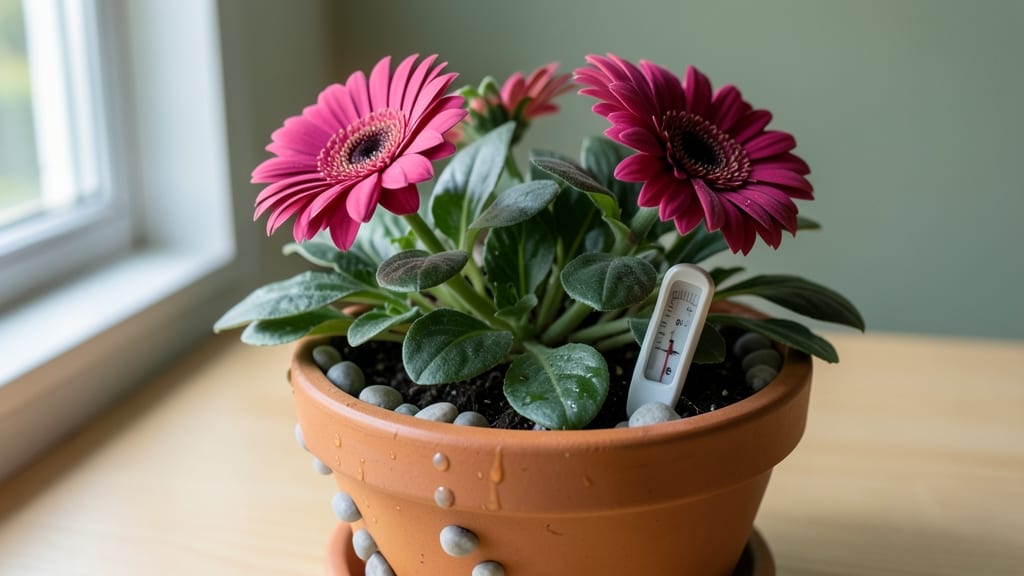
Growing a daisy indoor plant 🌼 can turn your living space into a burst of color—if you nail the light, soil, and watering balance.
Picture this: your windowsill overflowing with vibrant blooms, but instead of thriving, your daisy’s leaves yellow or flowers wilt before they open. That’s the frustration of indoor gardening when you miss the key details.
This guide cuts through the guesswork with simple, step-by-step care for your Gerbera Daisy (Indoor), from picking the right pot to keeping humidity just right. No green thumb required—just follow these proven tricks to enjoy nonstop blooms year-round.
You’ll learn how to spot early warning signs of overwatering, the best light spots in your home, and even how to prune for bigger flowers. Let’s get your daisy thriving!


How to choose the best daisy varieties for indoor growing
Not all daisies thrive indoors—some need outdoor conditions to flourish. For your sunny windowsill, focus on varieties that tolerate lower humidity and bright indirect light. The right choice depends on your space constraints and care commitment. Let’s explore the top indoor-friendly daisies and their unique needs.
Gerbera daisies are the superstars of indoor blooms, offering vibrant colors and long-lasting flowers. They adapt well to container life but demand consistent moisture and high humidity.
African daisies, like the Osteospermum, are tougher, thriving in drier air and partial shade. Meanwhile, Shasta daisies struggle indoors—they need full sun and outdoor space to grow.
Here’s how these varieties compare for indoor success, including light needs, bloom size, and care difficulty:
| Variety | Bloom Size | Light Needs | Humidity Needs | Care Difficulty | Best For |
|---|---|---|---|---|---|
| Gerbera Daisy | 3-5 inches | Bright indirect light (4-6 hrs/day) | High (50%+) | Moderate (needs consistent moisture) | Beginner-friendly |
| African Daisy (Osteospermum) | 2-3 inches | Bright indirect to partial shade (3-4 hrs/day) | Moderate (40-50%) | Easy (drought-tolerant) | Low-maintenance spaces |
| Shasta Daisy | 2-4 inches | Full sun (6+ hrs/day) (hard to replicate indoors) | Moderate (40-50%) | Hard (struggles indoors) | Avoid for indoor growing |
| Chrysanthemum Daisy | 2-5 inches | Bright indirect light (4-5 hrs/day) | Moderate (40-50%) | Moderate (needs seasonal light adjustments) | Seasonal blooms |
If you’re a beginner gardener, Gerbera daisies are your best bet—their vibrant blooms and forgiving nature make them perfect for indoor containers. Place them near an east-facing window for gentle morning light that won’t scorch leaves.
For dry climates, African daisies are low-maintenance champions, thriving with minimal attention.
Watch out for overwatering—most indoor daisies prefer slightly dry soil between waterings. Stick your finger 1 inch deep into the soil; if it’s dry, it’s time to water. Mulch the surface with orchid bark to retain moisture and prevent fungal growth.
Pro tip: Rotate your daisy pots every 2 weeks to ensure even light exposure. This prevents leggy growth and uneven blooming. A simple 180-degree turn keeps stems strong and compact.
For year-round blooms, fertilize every 4-6 weeks with a balanced 10-10-10 formula during spring and summer. Reduce feeding in fall and winter to let the plant rest. Deadhead spent blooms regularly to encourage new flower production.
Remember, indoor daisies need fresh air too! Open windows occasionally or use a small fan to circulate air and prevent pests. This mimics outdoor conditions without the risk of drafts.
With the right variety and care, your indoor daisy garden will burst with color and life all year. Start with Gerbera or African daisies, and you’ll enjoy nonstop blooms with minimal fuss! 🌼
Step-by-step daisy indoor plant care routine for blooms all year
Indoor daisies like the Gerbera Daisy thrive on consistency, and a structured monthly routine keeps them blooming like clockwork. The key lies in balancing watering frequency, humidity control, and seasonal adjustments—all while preventing those dreaded leaf drops.
I’ve broken it down into simple steps so you can enjoy vibrant blooms from January to December without stress.
Start by placing your daisy near an east or west-facing window where it gets 4-6 hours of bright indirect sunlight. This lighting is non-negotiable—too little light means sparse blooms, while direct sun can scorch delicate petals.
If your home lacks natural light, supplement with a grow light for 6-8 hours daily during winter months.
- 1 Monthly Light Check: Rotate your pot quarter-turns monthly to ensure even light exposure. Watch for yellowing leaves on one side—a sign of uneven lighting.
- 2 Watering Schedule: Water when the top 1-2 inches of soil feel dry (use your finger to test). In spring/summer, water every 5-7 days; reduce to every 10-14 days in winter. Always water at the soil level to avoid wetting leaves.
- 3 Humidity Boost: Group plants together or use a pebble tray with water to maintain 40-50% humidity. Brown leaf tips? Increase humidity immediately—this is your plant’s stress signal.
- 4 Seasonal Fertilizing: Feed with balanced 10-10-10 fertilizer every 4-6 weeks in spring/summer. Skip fertilizing in fall/winter—your daisy enters a natural resting phase. Always dilute fertilizer to half-strength to prevent root burn.
- 5 Pruning for Blooms: Deadhead spent flowers weekly to encourage new blooms. Trim yellow or damaged leaves at the base with clean scissors. Prune back 1/3 of leggy stems in early spring to promote bushier growth.
- 6 Repotting Check: Repot every 2-3 years or when roots circle the pot. Choose a container just 1-2 inches larger than the current one. Use a well-draining potting mix with perlite for aeration.
- 7 Pest Patrol: Inspect leaves weekly for aphids or spider mites. Wipe leaves with a damp cloth if dusty. For pests, spray with neem oil solution (1 tsp neem oil + 1 quart water) every 7 days until resolved.
Don’t overlook the power of seasonal adjustments. In winter, reduce watering and move your daisy closer to the window if natural light dims. If you notice buds dropping before opening, it’s usually a sign of low humidity or temperature fluctuations.
Grouping your daisy with other houseplants creates a microclimate that mimics its outdoor habitat.
With this routine, your Gerbera Daisy will reward you with continuous blooms and lush foliage. The secret? Consistency. Stick to these steps, and you’ll enjoy a year-round floral display that brightens every room. Happy gardening!