
Tools
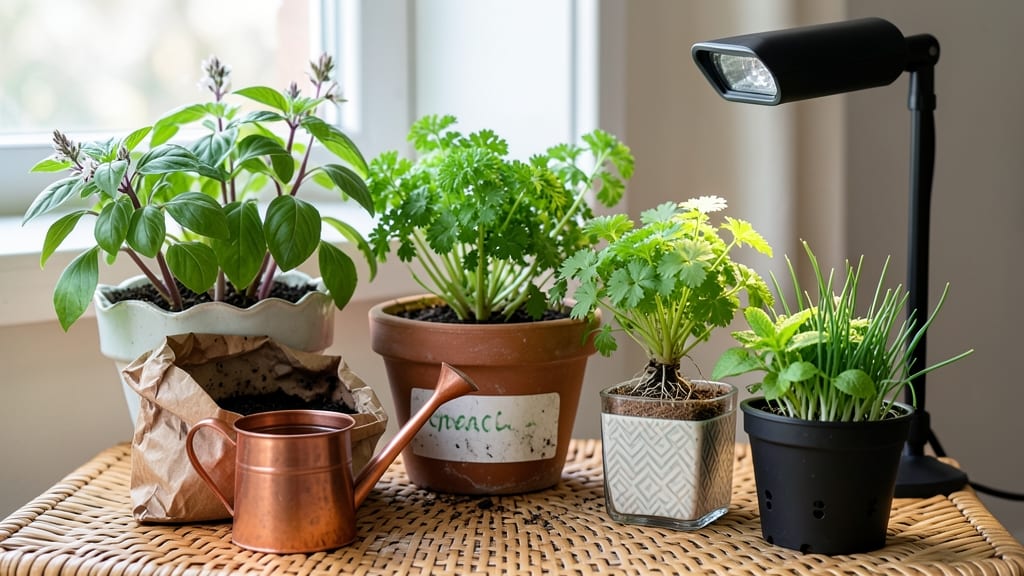
A do-it-yourself indoor herb garden thrives with sun-loving plants like basil, parsley, or mint in shallow containers with drainage, positioned near south-facing windows or under grow lights for 6-8 hours daily. Small pots or vertical arrangements optimize space while maintaining healthy growth.
Starting an indoor herb garden is easier than you think, especially when you focus on the right conditions. 🌱 The key to success lies in mimicking natural sunlight—herbs need bright, indirect light for at least six hours a day, which is why south-facing windows or LED grow lights work best.
Unlike outdoor gardens, indoor setups let you grow herbs year-round, even in small apartments. I've found that using self-watering containers helps prevent overwatering, a common mistake that can kill herbs quickly. Plus, vertical gardens free up valuable counter space while keeping your greens within easy reach for cooking.
For beginners, I recommend starting with just 2-3 herbs to avoid overwhelm. Basil and parsley are forgiving choices, while mint can spread aggressively if not contained. The right container—whether it's a simple terracotta pot or a stackable vertical planter—makes all the difference in keeping roots healthy and preventing waterlogging.
Once you get the hang of it, you'll be harvesting fresh herbs in no time, saving money and adding flavor to your meals!
💡 In This Article
- How Light and Containers Affect Herb Growth
- Space-Saving DIY Herb Garden Setups for Small Spaces
How light and containers affect herb growth
Herbs grow best when they receive the full spectrum of light, particularly in the blue (400-500nm) and red (600-700nm) wavelengths that drive photosynthesis. Without enough light, herbs like basil and parsley become leggy and weak, while mint may grow slowly.
Natural sunlight provides this spectrum naturally, but if you're using artificial grow lights, look for full-spectrum LEDs that mimic sunlight. These lights should be placed 6-12 inches above your plants to prevent overheating while delivering the right intensity.
The container you choose plays a critical role in root health and nutrient absorption. Shallow containers with drainage holes prevent waterlogging, which can rot roots and suffocate plants. Terracotta pots, for example, allow excess moisture to evaporate through their porous walls, while plastic containers retain moisture longer.
For herbs, a depth of 6-8 inches is ideal—enough to support root growth without taking up too much space. The material also affects temperature; terracotta stays cooler in hot environments, while plastic can trap heat, which may stress sensitive herbs like thyme.
Drainage is non-negotiable. Without proper drainage, water pools at the bottom of the container, cutting off oxygen to the roots and inviting fungal growth. I’ve seen herbs wilt dramatically within days when overwatered in containers without drainage.
To fix this, add a layer of pebbles or perlite at the bottom of your pot before adding soil. This creates an air pocket that prevents suffocation while allowing excess water to escape.
For herbs like basil, which prefer consistently moist but not soggy soil, this setup makes all the difference.
Container size also influences how often you’ll need to water and fertilize. Smaller pots dry out faster, so herbs in 4-inch diameter containers may need watering every 2-3 days, while larger 10-inch pots can go 5-7 days between waterings.
The trade-off? Larger containers hold more soil, which means more nutrients but also more weight. If you’re using vertical setups, opt for lightweight materials like fabric grow bags or lightweight plastic to avoid straining shelves or walls.
Light intensity matters just as much as duration. Herbs need 10,000-15,000 lux of light to thrive, which is roughly the brightness of a sunny windowsill. If your herbs start stretching toward the light (a condition called etiolation), it’s a sign they’re not getting enough.
In low-light conditions, supplement with a grow light on a 14-hour daily cycle to mimic natural daylight. Even herbs like mint, which are hardy, will grow slower and produce fewer leaves without adequate light. 💡
Finally, consider the placement of your containers. South-facing windows provide the most natural light, but east or west-facing windows can work too, depending on your climate.
If you’re using grow lights, position them so they cover all plants evenly—uneven lighting can cause one side of the herb to grow stronger than the other, leading to lopsided plants. For example, a 12-inch grow light can cover a 2-foot-wide area, making it perfect for a small windowsill setup.