
Plants
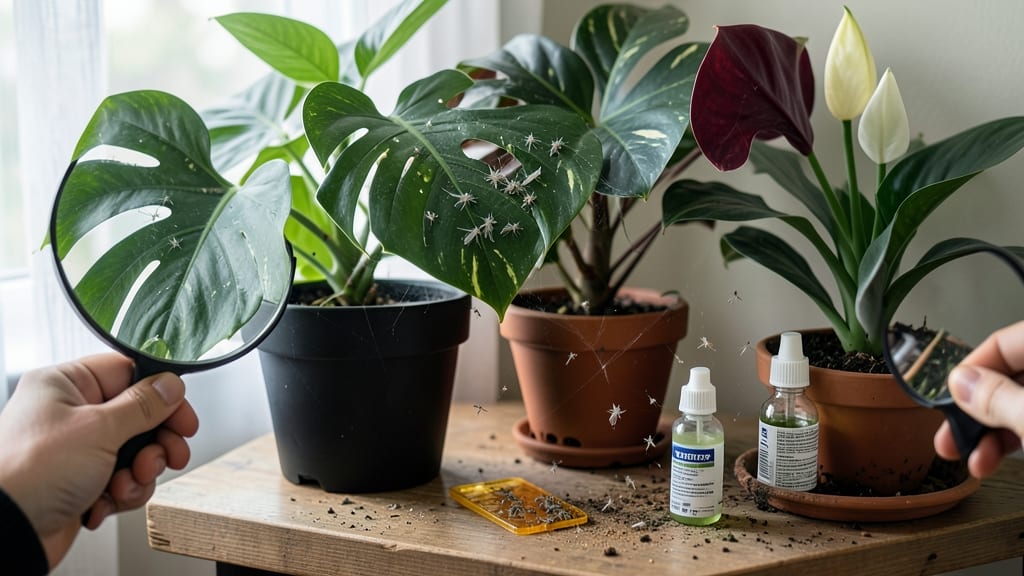
Fungus gnats and flies on indoor plants turn your indoor jungle into a buzzing nightmare—until you know how to outsmart them. 🌿 I’ve battled these tiny invaders for years, and the key isn’t chemicals but understanding their life cycle and disrupting it at every stage.
These pests thrive in damp soil and decaying organic matter, so the solution starts with a closer look at your plant care routine.
The worst offenders—fungus gnats and fruit flies—lay eggs in moist soil, and their larvae chew on roots while adults swarm your leaves. You’ll spot them as tiny black flies hovering near plants or tiny white maggots wriggling in the soil.
The good news? Natural fixes like yellow sticky traps, beneficial nematodes, and drying out the topsoil work faster than you’d expect—often clearing an infestation in 1-2 weeks with consistent effort.
By adjusting watering habits, using sand or perlite to improve drainage, and introducing predator insects, you’ll create an environment where flies can’t survive. The result? Lush, pest-free leaves that stay healthy without harsh sprays. Here’s how to break the cycle for good.
Root Causes Of Indoor Plant Flies
Understanding why those pesky flies keep buzzing around your houseplants starts with identifying the hidden triggers lurking in your indoor environment. These tiny intruders don’t just appear out of nowhere—they’re drawn to specific conditions that make your plants an all-you-can-eat buffet.
Let’s break down the top scientific reasons behind their uninvited visits, so you can tackle the problem at its source.
Flies, especially fruit flies (Drosophila) and fungus gnats (Sciaridae), are attracted to the sugary, fermenting scents of rotting organic material. When plant leaves, stems, or soil decompose—whether from overwatering, poor drainage, or natural aging—they release volatile organic compounds (VOCs) that mimic the smell of spoiled fruit.
These compounds act like a dinner bell, signaling flies that a feast is nearby.
Why it happens:
- Overwatered soil creates anaerobic conditions, promoting bacterial and fungal growth that emits a sweet, yeasty odor.
- Dying or fallen leaves trapped in pots or soil become a breeding ground for microbes, releasing attractive gases.
- Sap-sucking pests (like spider mites) can damage plants, causing sap to ooze and ferment, which flies adore.
Actionable fix:
- Remove yellowed, mushy leaves immediately—don’t let them linger in the pot.
- Use well-draining soil mixes (like cactus or succulent blends) to prevent waterlogging.
- Repot plants if the soil smells sour or looks compacted.
Flies thrive in humid, damp environments because moisture supports their larvae’s development. Fungus gnats, in particular, lay eggs in soggy soil, where their larvae feed on organic matter. Even if your plants aren’t overwatered, high humidity levels (common in bathrooms or kitchens) can create the perfect fly nursery.
Why it happens:
- Bottom-watering methods (pouring water into saucers) can leave excess moisture at the base of the plant, encouraging mold and fly larvae.
- Grouping plants too closely reduces airflow, trapping moisture and creating a fly-friendly microclimate.
- Leaky pots or trays provide a constant water source, turning your plant stand into a fly magnet.
Actionable fix:
- Let the top inch of soil dry out between waterings—stick your finger in to test.
- Use terracotta pots (they dry out faster than plastic) or elevate pots on pebbles to improve drainage.
- Increase airflow by spacing plants 6+ inches apart and using a small fan (flies hate gentle breezes!).
Fungal spores and mold aren’t just unsightly—they’re a smorgasbord for fungus gnats and drain flies. These microbes release musty, earthy odors that attract flies, while their hyphae (thread-like structures) provide a perfect substrate for larvae to burrow into.
If you’ve noticed white, fuzzy growth on soil or stems, you’re likely dealing with a fungal party—and flies are the guests of honor.
Why it happens:
- Poor sterilization of pots or tools can introduce fungal spores from old soil or contaminated water.
- High nitrogen fertilizers (like blood meal) create ideal conditions for fungal blooms.
- Low light levels weaken plants, making them more susceptible to fungal infections.
Actionable fix:
- Sterilize pots with a 10% bleach solution (1 part bleach to 9 parts water) before repotting.
- Reduce fertilizer use—stick to balanced, slow-release options (like worm castings).
- Apply a thin layer of cinnamon or diatomaceous earth to soil to inhibit fungal growth naturally.
Even if your plants are pristine, flies may still be crashing your party because of nearby food scraps, pet waste, or compost.
Fruit flies, in particular, have an olfactory range of up to 3 miles—they’ll detect overripe bananas, spilled soda, or even pet food left out for hours. If your indoor plants are acting as fly traps, check the surrounding area for these sneaky attractants.
Why it happens:
- Compost bins (even small kitchen composters) emit gases that mimic rotting fruit.
- Pet bowls left uncleaned can harbor flies, which then migrate to plants for shelter.
- Spilled liquids (like juice or sauces) create sticky residues that trap flies and encourage breeding.
Actionable fix:
- Store compost outside or use sealed bins with fly traps inside.
- Clean pet areas daily—wash bowls and scoop litter boxes regularly.
- Keep food prep areas far from plants—even crumbs can be a fly magnet.
Indoor environments often lack the natural airflow that would otherwise disperse fly-attracting odors. Without ventilation, stale air traps scent molecules, making your plants smell like a five-star restaurant to flies. This is especially true in small spaces, closed rooms, or homes with tight seals (like modern energy-efficient windows).
Why it happens:
- Sealed windows and doors prevent cross-ventilation, allowing fly-attracting odors to linger.
- Central heating/AC systems can recirculate airborne microbes and spores, worsening the problem.
- Plants crowded in corners create dead zones where air doesn’t circulate.
Actionable fix:
- Open windows for 10–15 minutes daily (even in winter) to refresh air.
- Use an exhaust fan in kitchens or bathrooms where humidity is high.
- Rotate plants occasionally to ensure all sides get airflow.
If you’ve already dealt with aphids, mealybugs, or scale insects, you’ve likely created a secondary fly problem.
These sap-sucking pests excrete honeydew, a sticky sugar-rich substance that: - Attracts fruit flies and fungus gnats. - Promotes sooty mold growth, which emits odors flies love. - Provides a food source for fly larvae.
Why it happens:
- Weakened plants (from overwatering or poor light) are more susceptible to primary pests.
- Soft, new growth is especially appealing to aphids, which then become a fly buffet.
- Chemical pesticides can kill beneficial insects that prey on pests, leading to outbreaks.
Actionable fix:
- Inspect plants weekly for sticky residues (honeydew) or tiny webs.
- Spray with neem oil (a natural pesticide that disrupts fly life cycles).
- Introduce predator insects like ladybugs or lacewings to control pests organically.
Quick Fixes for Indoor Plant Flies
Got those pesky flies buzzing around your houseplants? 🕷️💨 Don’t panic—these uninvited guests can be kicked out fast with the right approach. Below, we’ve mapped out practical solutions based on the most common causes of flies on indoor plants, from sticky traps to natural remedies.
Plus, we’ll share prevention tips to keep your green babies fly-free for good!
Cause: Overripe fruit, fermenting plant matter, or damp soil attracting fruit flies.
Fix It: 🍎 🍎 The Apple Cider Vinegar Trap Fill a small bowl with apple cider vinegar and a few drops of dish soap. Cover with plastic wrap, poke tiny holes, and place near infected plants. Flies will fly in—but won’t fly out! Replace every 3–4 days.
🍯 🍯 Red Wine or Beer Trap Pour 1 inch of red wine or beer into a shallow dish. Flies are drawn in and drown. Bonus: It’s a two-for-one solution if you’ve got a wine stash!
🌿 🌿 Prevent Future Infestations
- Check soil moisture—overwatering = fly magnet. Let the top 1–2 inches dry out between waterings.
- Inspect fruit—toss overripe bananas, berries, or citrus near plants.
- Wipe leaves with a vinegar-water spray (1:1 ratio) to deter egg-laying.
Cause: Moist soil, decaying organic matter, or soggy potting mix inviting fungus gnats.
Fix It: 💧 💧 Let the Soil Dry Between Waterings Fungus gnats love dampness. Water only when the top inch of soil is dry, and use pots with drainage holes.
🪴 🪴 Yellow Sticky Traps Hang yellow sticky cards near plants—gnats are attracted to the color and get stuck. Replace weekly.
🌱 🌱 Diatomaceous Earth (DE) Barrier Sprinkle food-grade DE lightly on soil surface (avoid touching leaves). It’s a natural insecticide that dehydrates gnats. Reapply after watering.
🔥 🔥 Pro Tip: Add a thin layer of sand or perlite to soil to improve drainage and deter gnats.
Cause: Poor ventilation, decaying plant matter, or dirty drainage trays.
Fix It: 🚪 🚪 Improve Airflow Open windows or use a small fan near plants to reduce humidity and discourage flies.
🧹 🧹 Deep-Clean Drainage Trays Empty and scrub trays with soapy water to remove organic buildup. Dry thoroughly before reuse.
🧴 🧴 Essential Oil Spray Mix 10 drops peppermint or eucalyptus oil with 1 cup water in a spray bottle. Lightly mist around plants (not directly on leaves)—flies hate the scent!
⏰ 🕒 Long-Term Fix: Repot plants in fresh, sterile soil if infestation persists.
Once you’ve banished the flies, lock them out with these habits:
✅ 🌱 Rotate Plants Regularly – Ensures all sides get airflow and sunlight. ✅ 🍃 Trim Dead Leaves – Prevents decay and fly breeding grounds. ✅ 🚫 Avoid Overwatering – Stick to a watering schedule based on plant needs. ✅ 🧼 Clean Spills & Droppings – Wipe sticky residue from leaves and surfaces. ✅ 🪴 Use Pots with Lids – For severe infestations, cover plants with mesh or fabric until flies are gone.
Final Thought: Flies on indoor plants are annoying but beatable—pick the method that fits your plant’s needs and your lifestyle. Try one solution for 3–5 days, then adjust if needed. Your leafy friends (and your sanity) will thank you! 🌿✨
Frequently asked questions
Why do I keep seeing tiny black flies around my indoor plants?
Those are most likely fungus gnats or fruit flies. Fungus gnats thrive in damp, organic-rich soil where their larvae feed on decaying matter, while fruit flies are drawn to overripe fruit, rotting plant debris, or even sugary residues like honeydew from other pests. Both species lay eggs in moist conditions, so overwatering is a common trigger.
Are these flies harmful to my houseplants?
Adult flies themselves don’t directly damage plants, but their larvae can cause serious problems. Fungus gnat larvae chew on roots, weakening plants and stunting growth, while fruit fly larvae may feed on decaying organic matter. The real danger comes from secondary issues like root rot or fungal infections that thrive in the same damp conditions these pests love.
How long does it take to get rid of an indoor plant fly infestation?
With consistent treatment, most infestations clear up in 1-2 weeks. Start by addressing the root cause (like overwatering or decaying matter) and use traps or natural remedies like yellow sticky cards or beneficial nematodes. For severe cases, combining methods (like drying soil + traps + nematodes) speeds up results. Patience is key—flies have short life cycles, so persistence pays off!
Can I use chemical pesticides on my indoor plants?
While chemical sprays may kill adult flies quickly, they often fail to address the larvae hidden in soil and can harm your plants or beneficial insects. Plus, chemicals don’t solve the underlying moisture or organic matter issues that attract flies in the first place. Opt for natural solutions like diatomaceous earth, neem oil, or soil-drying techniques—they’re safer and more effective long-term.
Will my other houseplants get flies too?
Flies spread quickly between plants, especially if they’re in close proximity. Once you spot flies on one plant, inspect all nearby greenery and treat them simultaneously. Focus on plants with damp soil, decaying leaves, or poor drainage first, as these are high-risk breeding grounds. Isolate heavily infested plants until the problem clears up.