
Plants
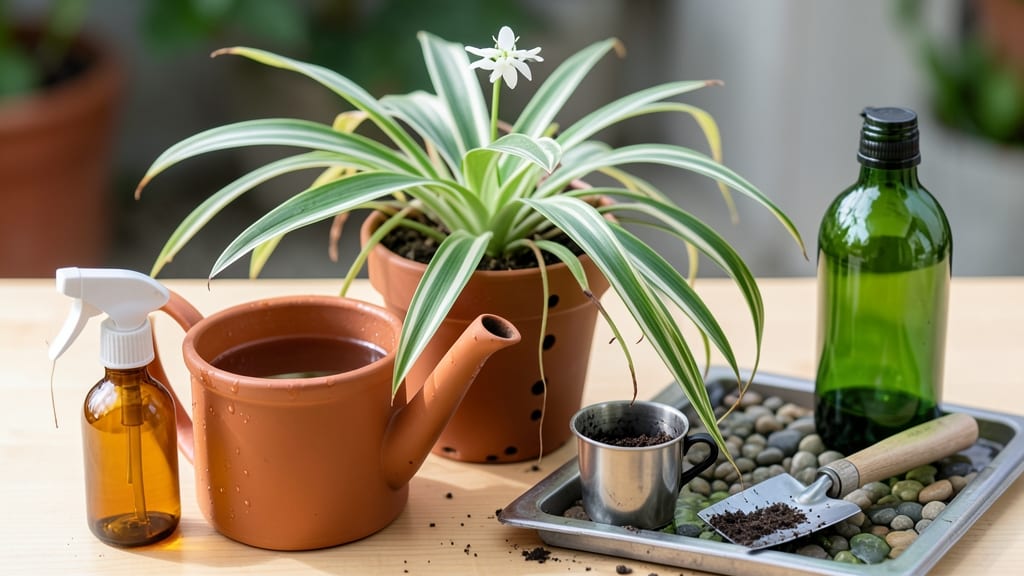
Indoor plant leaves turning brown? That crispy-edged panic is all too familiar—especially when your snake plant or pothos starts looking like it survived a desert crossing. 🌱 The good news is 90% of brown leaves come from just three root causes: water issues, light stress, or hidden pests.
I’ve nursed back more than a dozen plants from this exact problem, and the fixes are simpler than you’d think.
First, check the soil: if it’s soggy, you’re overwatering (the #1 killer of houseplants). Stick your finger in—if the top 2 inches feel damp, wait. If it’s bone-dry, your plant’s thirsty. Light’s the sneaky culprit too: too much sun bleaches leaves yellow-brown, while too little causes weak, crispy edges.
Move your plant to bright, indirect light—east or north windows work best—and watch for improvement in 7-10 days.
Brown spots with a sticky residue? That’s sap-sucking pests like spider mites or mealybugs. Wipe leaves with a damp cloth and spray with neem oil (mix 1 tsp with 1 quart water).
For chemical burns, flush the soil with water to dilute fertilizers. The key is acting fast—most brown leaves can’t be revived, but stopping the damage saves the whole plant.
Prevention is where it gets easy: water only when the top inch of soil is dry, rotate plants weekly for even light, and dust leaves monthly. My pothos now thrives year-round because I caught the early signs—don’t let brown leaves become a full-blown crisis.
Let’s turn those crispy edges into lush, green growth.
Root Causes Of Leaf Discoloration
Understanding why your indoor plant’s leaves turn brown is the first step to saving it. Brown leaves are often a cry for help—your plant is telling you something’s off. Let’s break down the most common culprits with clear science-backed explanations so you can diagnose the problem like a pro.
---
Brown, mushy leaves (often starting at the edges or tips) are a classic sign of overwatering. Here’s why it happens: - Root Suffocation: When soil stays soggy for too long, roots can’t breathe.
Without oxygen, they suffocate, starving the plant of nutrients and water. - Fungal Infections: Excess moisture creates the perfect breeding ground for fungi like Phytophthora or Pythium, which attack roots and spread to leaves. - Nutrient Lockout: Waterlogged soil prevents roots from absorbing essential minerals, leading to nutrient deficiencies that manifest as browning.
🔍 How to spot it: Press your finger into the soil—if it’s damp more than an inch down, you’re likely overwatering. Drooping leaves that feel heavy (not crispy) are another red flag.
---
If brown patches appear suddenly on leaves exposed to sunlight (especially crispy, dry edges), your plant is sunburned. This happens when: - Light Intensity Spikes: Direct sunlight (like a south-facing window) can generate heat, causing cellular damage in leaves.
Think of it like a sunburn on human skin! - Dehydration Stress: Bright light increases transpiration (water loss), but if roots can’t keep up, leaves dry out and turn brown. - Species Mismatch: Some plants (e.g., ferns or calatheas) thrive in low light and can’t handle even indirect sun.
🔍 How to spot it: Brown spots are often on one side of the leaf (the side facing the light) and feel dry or papery to the touch.
---
Plants are sensitive to their environment.
Sudden changes in temperature or humidity can trigger browning: - Cold Drafts: Leaves near drafty windows, AC vents, or doors may develop brown edges or spots due to cold stress, which disrupts cell membranes. - Low Humidity: Many tropical houseplants (like spider plants or pothos) need humidity levels above 40%.
Dry air causes leaf edges to crisp up, a condition called edge burn. - Heat Stress: Placing a plant too close to a heater or in a hot kitchen can scorch leaves, leading to brown, leathery patches.
🔍 How to spot it: Check for patterns—are brown spots near vents, windows, or heaters? Leaves may also feel dry or brittle.
---
Brown leaves can also signal an invisible battle waged by pests or pathogens: - Spider Mites or Aphids: These tiny pests suck sap from leaves, causing brown speckles or stippling (tiny dots).
Heavy infestations lead to leaf drop. - Fungal Leaf Spot: Dark brown spots with yellow halos (often from Alternaria or Cercospora fungi) spread quickly in humid conditions.
Overhead watering worsens this. - Bacterial Blight: Slimy, brown patches (often with a yellow border) indicate bacterial infections, common in overcrowded or poorly ventilated spaces.
🔍 How to spot it: Inspect the underside of leaves for webbing (mites), sticky residue (aphids), or unusual spots. Fungal spots may have a "halo" effect.
--- Brown leaves can also signal what’s missing—or too much—in your plant’s diet: - Nitrogen Deficiency: Older leaves turn yellow first, then brown and crispy, as the plant can’t produce enough chlorophyll.
This is common in plants grown in the same soil for years. - Magnesium or Potassium Deficiency: Brown patches between leaf veins (a sign of interveinal chlorosis) often mean the plant lacks magnesium.
Potassium deficiency causes brown, dead spots on leaf edges or tips. - Chemical Burn: Over-fertilizing (especially with synthetic salts) or using tap water high in chlorine/fluoride can "burn" roots, leading to browning leaves.
🔍 How to spot it: Check the pattern of browning—uniform yellowing before browning? Likely nitrogen. Brown edges with healthy veins? Potassium or magnesium may be lacking.
--- Sometimes, browning is normal or unavoidable: - Mechanical Damage: Bruised or torn leaves (from pets, kids, or rough handling) will turn brown at the injury site. - Natural Senescence: Older leaves on plants like snake plants or peace lilies may yellow and brown as they age—a sign the plant is redirecting energy to new growth. - Transplant Shock: After repotting, some plants drop leaves or develop brown edges as they adjust to new conditions.
🔍 How to spot it: Look for no other symptoms—just a few isolated leaves browning while the rest stay healthy. This is often harmless!
--- Before diving into complex diagnoses, eliminate the easiest fixes: 1. Check the soil moisture—stick your finger in! 2. Inspect leaves for pests—use a magnifying glass if needed. 3. Rotate the plant—is one side browning? It might be leaning toward a heat source.
Most brown leaf issues stem from water, light, or air problems—so start there! Once you’ve narrowed it down, you’re ready to take action. 🚀
Revive Your Plant with These Fixes
Now that you’ve pinpointed the culprit behind your plant’s brown leaves, it’s time to take action! Here’s a step-by-step guide to diagnosing and treating the most common issues—plus tips to keep your green friend thriving long-term.
---
Signs: Yellow-brown leaves, mushy stems, or soil that smells sour. Fix: - Stop watering immediately and let the soil dry out completely. Stick your finger 1–2 inches into the soil—if it’s damp, wait a few more days. - Repot if needed: If roots are rotting (black, slimy, or smelly), remove the plant from its pot, trim the bad roots with sterilized scissors, and repot it in fresh, well-draining soil. - Adjust your watering routine: Water only when the top 1–2 inches of soil are dry. Use pots with drainage holes and a cachepot (a decorative tray) to catch excess water.
💡 Prevention Tip: Group plants with similar water needs together and use a moisture meter for accuracy.
---
Signs: Crispy, brown edges (like a sunburn) or leaves bleaching. Fix: - Move your plant to a spot with bright, indirect light. East-facing windows are ideal for most houseplants. - Filter harsh light with sheer curtains or place the plant a few feet away from the window. - Rotate the pot every few weeks so all sides get even light exposure.
🌡️ Prevention Tip: Research your plant’s light needs—some, like snake plants, tolerate low light, while others, like fiddle-leaf figs, crave bright indirect light.
---
Signs: Dry, crispy brown edges or leaves curling inward. Fix: - Water deeply until it drains from the bottom of the pot. Let the top inch of soil dry out between waterings. - Boost humidity with a pebble tray (place the pot on a tray of water and pebbles) or use a humidifier nearby. - Mist leaves (gently!) 1–2 times a week for plants like ferns or calatheas.
✨ Prevention Tip: Group plants together to create a microclimate with higher humidity, or place a tray of water near them.
---
Signs: Brown spots with yellow halos, moldy growth, or sticky residue. Fix: - Isolate the plant to prevent spreading to others. - Trim infected leaves with clean scissors, leaving healthy tissue. - Wipe leaves with a mix of 1 part rubbing alcohol and 9 parts water to kill spores. - Apply a fungicide (like neem oil or copper-based spray) if the issue persists.
🔥 Prevention Tip: Avoid overhead watering—water at the base instead. Ensure good airflow by spacing plants apart.
---
Signs: Sticky residue, tiny webs, or white cottony patches. Fix: - Wipe leaves with a damp cloth to remove pests manually. - Spray with soapy water (1 tsp mild dish soap per quart of water) or neem oil. - Quarantine the plant until pests are gone to avoid infesting others.
🎯 Prevention Tip: Inspect new plants before bringing them home and keep your space clean to deter pests.
--- Pro Tip: If your plant is severely stressed, don’t hesitate to prune back brown leaves—it encourages new growth! With the right care, your plant will bounce back in no time. 🌿✨
Frequently asked questions about indoor plant leaves turning brown
Why do my plant's leaves turn brown at the tips first?
Brown tips usually mean your plant is thirsty or the air is too dry. Most houseplants need 40-60% humidity—if your home is dry (like from heaters or AC), the leaf edges lose moisture and crisp up. Try misting leaves or placing the pot on a pebble tray with water. For tropical plants like ferns, aim for 1-2 mistings per week.
Can I save my plant if most leaves are already brown?
It depends! If the brown leaves are crispy and dry, they're already dead and won't recover. Focus on saving the healthy parts by adjusting care—trim dead leaves, check watering habits, and move to better light. If roots are still firm and green, new growth will emerge within 2-4 weeks with proper care.
Is it better to underwater or overwater a plant with brown leaves?
Most houseplants prefer slight underwatering over overwatering. The key is checking soil moisture: stick your finger 1-2 inches deep—if damp, wait. If dry, water thoroughly until it drains from the bottom. Overwatering causes root rot (mushy stems), while underwatering leads to crispy edges. Err on the side of less water!
How do I tell if brown spots are from pests or disease?
Pest damage often has tiny marks (like spider mite webbing or aphid trails), while diseases show as larger, irregular spots with yellow halos. Check leaf undersides for pests—if you see webbing or sticky residue, it's likely mites or aphids. For fungal spots, isolate the plant and avoid overhead watering to prevent spread.
Why does my snake plant have brown leaves when it seems healthy?
Snake plants are tough but can develop brown patches from natural aging (older leaves) or sunburn (if near a south-facing window). Rotate the pot weekly for even light exposure. If new growth stays green, the brown leaves are likely just shedding—prune them off to redirect energy to fresh foliage.