
Container Gardens
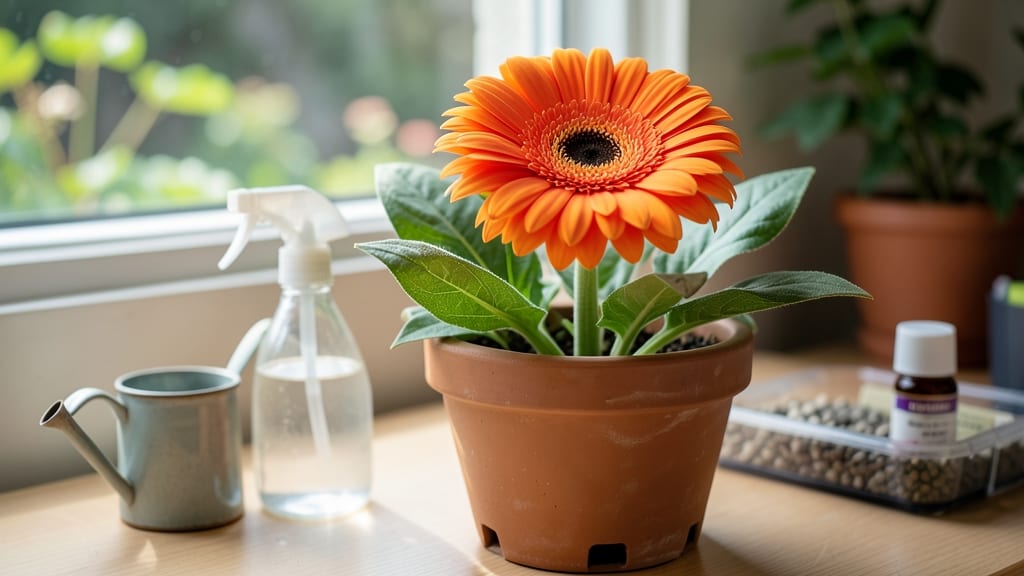
Gerbera daisy care indoors starts with bright light—these sun-lovers need at least 6 hours of direct sunlight daily, or your blooms will fade like a forgotten sketchbook. 🌻 My first batch struggled until I moved them to a south-facing window, where they now burst with color from spring through fall.
The secret isn’t just light, though—it’s matching their tropical roots to your home’s rhythm.
You’ll need well-draining soil (think potting mix with perlite), a pot with drainage holes, and a watering routine that keeps soil moist but never soggy—overwatering is their #1 enemy. Gerberas thrive in 65-75°F temps, so drafty windowsills or AC blasts will stress them.
Humidity helps too; a pebble tray under the pot mimics their native moisture without drowning roots.
Pruning is where magic happens: deadhead spent blooms weekly to encourage new flowers, and trim leggy stems back by 1/3 in early spring. The payoff? Nonstop blooms that last months, with petals so vibrant they’ll make your neighbors jealous. Even my black thumb can’t kill these with the right care.
Watch for pests like spider mites (tiny but destructive) and root rot (smelly and fast). A quick spray of neem oil or wiping leaves with soapy water keeps them at bay. With these tweaks, your gerberas will outshine every store-bought bouquet—and you’ll never buy cut flowers again.
📚 In This Guide
- What you need
- Instructions
- Tips and common mistakes
- Wrapping up and next steps
What you need
- ● Gerbera daisy plant – Choose a healthy, blooming variety (e.g., Gerbera jamesonii) from a nursery or garden center. Opt for a 4- to 6-inch pot size for easy indoor adaptation.
- ○ Well-draining potting mix – A blend of 60% peat moss or coco coir, 20% perlite, and 20% sand or vermiculite ensures aeration and prevents root rot. Optional: Add 1 tbsp of slow-release fertilizer (like 10-10-10) per gallon of mix.
- ● Pot with drainage holes – A 6- to 8-inch diameter container (clay or terracotta preferred for breathability). Pro tip: If repotting, size up by 2 inches max to avoid overwatering.
- ● Watering can with a rose attachment – Ensures gentle, targeted watering at the soil base (avoid wetting leaves to prevent disease).
- ○ Pruning shears or clean scissors – Sharp, sterilized tools for trimming dead blooms or leggy stems. Optional: Rubbing alcohol (70% or higher) for disinfecting.
- ○ Grow lights (optional but helpful) – A full-spectrum LED grow light (12-16 hours/day) if natural light is less than 6 hours/day. Look for 10,000–15,000 lux output.
- ● Humidity tray or pebble tray – Gerberas love 40–60% humidity. Fill a shallow tray with water and pebbles (not touching the pot) to increase moisture.
- ○ pH test kit (optional) – Soil pH should be 5.8–6.5. Adjust with lime (to raise pH) or sulfur (to lower pH) if needed.
- ● Bright, indirect light – Place near an east- or west-facing window (6+ hours of light daily). South-facing? Use a sheer curtain to diffuse harsh rays.
- ● Temperature range – Keep between 60–75°F (15–24°C). Avoid drafts (e.g., AC vents, heaters).
- ● Fresh air circulation – A small fan on low (1–2 hours/day) mimics outdoor breezes and prevents fungal issues.
Step-by-step instructions for gerbera daisy care indoors
Here’s how to keep your gerberas thriving with just a few key adjustments.
💧 Step 1: Master Watering for Consistent Moisture
Water your gerbera daisies when the top inch of soil feels dry to the touch. These plants hate soggy roots but also despise drought—aim for soil that’s evenly moist but never waterlogged. I use a moisture meter to avoid guessing, especially in winter when evaporation slows.
Water deeply at the base, avoiding the leaves to prevent fungal diseases like powdery mildew. You’ll know you’re doing it right when water runs out the drainage hole and excess collects in the saucer for about 10 minutes before you tip it out. Overwatering is the #1 killer of indoor gerberas, so let the soil dry slightly between waterings.
☀️ Step 2: Position for Bright, Indirect Light
Gerberas need 6-8 hours of bright, indirect light daily—think east or west-facing windows, or a south window with sheer curtains. Direct midday sun will scorch their delicate petals, leaving white or brown patches. If your plants stretch toward the light (a sign of legginess), they’re not getting enough.
Rotate the pot a quarter turn weekly so all sides get even exposure. You’ll notice new growth leaning toward the light within days—this is your cue to adjust placement. A grow light on a timer works in low-light spaces, but keep it 12-18 inches away to avoid burning.
✂️ Step 3: Prune to Encourage More Blooms
Deadhead spent blooms by snipping the stem ½ inch above the next set of leaves with clean, sharp scissors. This redirects the plant’s energy into producing new flowers instead of seeding. I prune in the morning when stems are stiff and diseases are less likely to spread.
If your gerbera gets leggy (tall stems with sparse foliage), trim the top ⅓ of the plant just above a leaf node. New growth will sprout from there, creating a bushier shape. Avoid heavy pruning in winter—the plant needs energy to survive until spring blooming season.
🪴 Step 4: Refresh Soil and Repot as Needed
Gerberas thrive in well-draining soil with a slightly acidic pH (around 6.0-6.5). Every 2-3 years, repot into fresh, airy mix to prevent nutrient depletion. I use a blend of 50% potting soil, 30% perlite, and 20% peat moss for the best drainage.
Choose a pot just 1-2 inches larger in diameter than the current one—gerberas prefer being slightly root-bound. After repotting, withhold water for 3-5 days to let roots establish. You’ll see new growth within 2-3 weeks if the soil and light are right.
Tips & tricks for perfect gerbera daisy care indoors
Here's what nobody tells you about keeping these vibrant bloomers thriving inside your home.
Soil Testing Secret: Before repotting, test your current soil's pH with a simple kit from your garden center. Gerberas prefer that slightly acidic range of 6.0-6.5, and adjusting with lime or sulfur can make all the difference. I've seen plants that looked healthy but stopped blooming simply because their soil had drifted to 7.0—adding a pinch of sulfur brought back those glorious flowers in just 2 weeks. The 50-30-20 soil blend mentioned works wonders, but if you notice yellowing leaves, that's your cue to check the pH first.
Light Adjustment Hack: When using a grow light, I've found that a simple timer set for 12 hours of light mimics natural day cycles perfectly. Place the light 16 inches away (closer than the 12-18 inch range) for faster growth, but monitor closely—you'll notice leaves start curling if it's too intense. The key is maintaining that consistent 6-8 hour window of bright light, even if it means supplementing with artificial light during winter months when natural light fades early.
Pruning Timing Tip: Don't wait until flowers are completely dead to deadhead—cut them back when petals start drooping but still look fresh. This keeps your plant focused on producing new blooms rather than wasting energy on seed development. I've noticed that morning pruning (between 8-10am) gives the plant the whole day to recover before nightfall, which seems to result in healthier regrowth. And always use clean scissors—dull blades can crush stems and invite infection.
Pro Tips for Gerbera Daisy Care Indoors
- Here's what nobody tells you about keeping these vibrant bloomers thriving inside your home.
- Soil Testing Secret: Before repotting, test your current soil's pH with a simple kit from your garden center.
- Light Adjustment Hack: When using a grow light, I've found that a simple timer set for 12 hours of light mimics natural day cycles perfectly.
Frequently asked questions
Got questions about keeping your gerbera daisies thriving indoors?
You’re not alone! Here are answers to the most common concerns—plus a few pro tips to keep those vibrant blooms coming.
How often should I water my indoor gerbera daisies?
Water your gerbera daisies when the top 1–2 inches of soil feel dry. Overwatering is the #1 killer—aim for consistently moist but never soggy soil. In dry indoor air, you may need to water every 5–7 days, but check the soil first!
Why aren’t my gerbera daisies blooming indoors?
Indoor gerberas need bright, indirect light (6+ hours daily) to bloom. If they’re not flowering, they might be getting too little light or not enough fertilizer. Try rotating the pot weekly for even exposure and use a balanced liquid fertilizer every 4–6 weeks.
What’s the ideal temperature for indoor gerbera daisies?
Keep them in a cozy spot between 60–75°F (15–24°C). Avoid drafts (like AC vents or heaters) and sudden temperature swings. If your home dips below 55°F (13°C), they’ll sulk—so move them away from cold windows or doors.
Can I grow gerbera daisies in small pots?
Yes, but they’ll need frequent repotting (every 1–2 years) to prevent root-bound stress. Use a pot with drainage holes and upgrade to a 6–8" container if you see roots circling the edges. A well-draining cactus/succulent mix works great!
How do I keep pests off my indoor gerbera daisies?
Watch for spider mites, aphids, or fungus gnats—common indoor pests. Wipe leaves with a damp cloth weekly, and spray with neem oil if you spot bugs. Ensure good airflow and avoid overwatering to deter fungus gnats.
Pro Tip:
Deadhead spent blooms immediately to encourage new flowers! Pinch off faded petals at the base with clean scissors—this redirects energy to fresh growth.
Wrapping up and next steps
Caring for gerbera daisies indoors is all about balancing light, water, and pruning—and with these tips, you’ll enjoy vibrant blooms year-round! 🌸 Remember, patience and consistency are key, so don’t hesitate to experiment with placement or care routines until you find what works best for your plant.
Once you’ve mastered the basics, why not expand your indoor garden? Try pairing gerberas with other low-maintenance blooms like succulents or African violets for a stunning, easy-to-care-for display.