
Planting
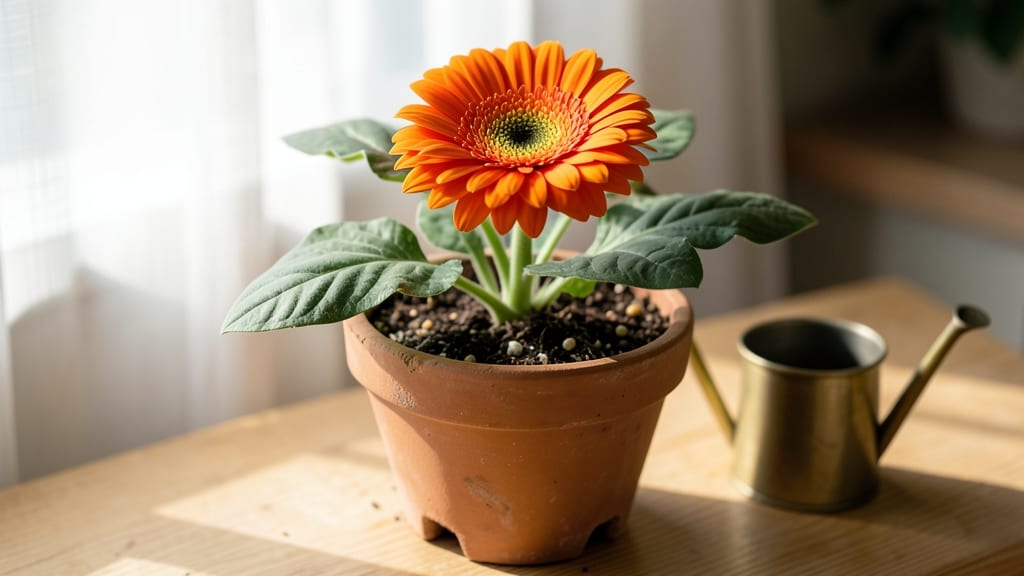
Gerbera plant care indoors thrives when you mimic their sunny African savanna roots—bright light is the secret to those bold blooms. 🌻 I’ve kept mine flowering for months by positioning them near south-facing windows or under grow lights, and the key is consistency: at least 6-8 hours of direct light daily. Without enough light, they’ll grow leggy and refuse to bloom, no matter how much you water them.
The soil should stay lightly moist but never soggy—think of a damp sponge, not a swamp. I water mine from the bottom to avoid soggy roots, and I always use a pot with drainage holes.
Gerberas love well-draining soil mixed with a bit of perlite or sand to keep their roots happy. Overwatering is the #1 way to kill them, so let the top inch dry out between waterings.
With the right light and watering, you’ll see those vibrant blooms last for weeks—some even rebloom if you deadhead spent flowers. The trick is to fertilize lightly every 4-6 weeks with a balanced houseplant fertilizer, but cut back in winter when growth slows.
A little extra humidity helps too, especially in dry indoor air.
Watch for pests like spider mites (tiny webs on leaves) and treat them early with neem oil. If your gerbera stops blooming, it’s usually a light or fertilizer issue—more sun and a little boost of bloom fertilizer can bring those flowers back.
Once you nail the basics, these plants reward you with cheerful blooms for months.
📚 In This Guide
- What you need
- Instructions
- Tips and common mistakes
- Wrapping up and next steps
What you need
- ● Gerbera plant: 1 healthy, disease-free plant (preferably in a 4–6" pot). Look for vibrant blooms and sturdy stems!
- ● Well-draining potting mix: 1 bag (1–2 quarts) of light, airy mix (e.g., 60% peat/coir + 30% perlite + 10% vermiculite). Avoid heavy garden soil!
- ● Pot with drainage holes: 1 container (6–8" diameter) with holes at the bottom. Terracotta or ceramic works best.
- ● Watering can or spray bottle: 1 with a gentle spray nozzle to avoid overwatering.
- ● Balanced liquid fertilizer: 1 bottle (e.g., 10-10-10 or 20-20-20). Dilute to half-strength for feeding.
- ○ Grow lights (optional but recommended): 1 full-spectrum LED grow light (12–15W) for 6–8 hours/day if natural light is insufficient.
- ● OR a sunny south-facing window (if available).
- ● Humidity tray: 1 shallow tray + pebbles to boost humidity (gerberas love 40–60% humidity).
- ● Plant saucer: 1 to catch excess water and prevent root rot.
- ● Pruning shears: Small, sharp pair for trimming dead blooms or leggy stems.
- ● Plant food spikes: 1–2 slow-release granules (e.g., Osmocote) for steady nutrients.
- ● Decorative pebbles: Small stones or moss for a stylish, well-draining pot base.
Simple indoor gerbera care for nonstop color
Here’s how to keep your gerberas blooming like a tropical vacation—no greenhouse needed.
🪴 Step 1: Pick the Perfect Light Spot
Gerberas demand bright, indirect light—think east-facing windows or 6+ hours of filtered sun. A south window works, but watch for leaf scorch (brown crispy edges). If your space is dim, supplement with a grow light kept 12-18 inches away for 12-14 hours daily. You’ll know it’s right when leaves stay deep green, not yellow or pale.
Rotate the pot quarter-turn weekly so all sides get even light. I’ve seen gerberas lean dramatically toward one window—don’t let that happen. If buds form but don’t open, your light’s too weak. Move closer or add a bulb immediately.
💧 Step 2: Water When Soil Feels Dry to the Touch
Gerberas hate soggy roots but despise drought. Stick your finger 1 inch deep—water only when dry. Use room-temperature water and soak until it drains freely from the bottom. Empty the saucer after 10 minutes to prevent root rot. Overwatering causes yellow leaves, while underwatering makes buds drop.
Mist the foliage 2-3 times weekly in dry climates to mimic humidity. I swear by a spray bottle—just avoid soaking the blooms. If leaves curl or droop, it’s usually thirst. But if the soil’s damp, you’re overdoing it.
☀️ Step 3: Feed and Deadhead for Continuous Blooms
Use a balanced liquid fertilizer (10-10-10) every 2 weeks in spring/summer, cutting back to monthly in fall/winter. I dilute it to half-strength—gerberas burn easily. After blooms fade, snip stems ¼ inch above the next leaf with clean scissors. This redirects energy to new buds instead of seed production.
Remove spent blooms daily—I set a timer on my phone. The more you deadhead, the more flowers you’ll get. Just don’t cut into the green stem; always leave a node. If you see buds forming but not opening, your plant’s telling you it’s time to move it to a brighter spot.
✂️ Step 4: Prune and Refresh Seasonally
In early spring, trim 1/3 of the oldest stems to encourage fresh growth. Use sterilized scissors to avoid disease. If your gerbera’s looking leggy, it’s begging for more light or a haircut. After pruning, give it a weak fertilizer rinse to help it recover.
Every 2-3 years, repot into fresh well-draining mix (equal parts potting soil, perlite, and compost). Gerberas resent crowded roots. If you see roots circling the pot’s bottom, it’s time to upgrade. Choose a container 2 inches wider—no bigger, or they’ll focus on foliage instead of flowers.
⏰ Step 5: Watch for Pests and Adjust for Seasons
Check leaves weekly for spider mites or aphids. Wipe them off with soapy water or spray with neem oil. I’ve had gerberas recover from infestations, but early action prevents defoliation. If you see sticky residue on leaves, it’s sap-sucking pests—act fast.
In winter, reduce watering and move gerberas away from cold drafts. They’ll go dormant naturally, so don’t fertilize. If buds form but don’t open, your space is too dry—group plants together to raise humidity or use a pebble tray with water underneath.
Tips & tricks for perfect indoor gerbera care
These simple tricks will help your gerberas thrive indoors with minimal effort—no gardening degree required.
Lighting Hack: If your gerbera starts leaning toward the window, it’s not being lazy—it’s telling you it needs more even light. In Step 1, when you rotate the pot quarter-turn weekly, also check if one side is getting more sun. I’ve had gerberas grow toward a single light source so dramatically they looked like they were doing yoga. A simple solution: place a mirror near the window to bounce light to the shadier side. This mimics natural sunlight distribution without moving the plant.
Watering Wisdom: In Step 2, when checking soil moisture, don’t just rely on your finger—also look at the pot’s weight. A dry gerbera pot feels noticeably lighter than one that’s properly watered. I keep a spare pot nearby to compare weights when I’m unsure. And here’s a pro move: water in the morning so excess drains away during the day, reducing root rot risk. The 10-minute saucer-emptying rule is non-negotiable—waterlogged roots are gerberas’ kryptonite.
Fertilizer Timing: The 2-week spring/summer feeding schedule in Step 3 is perfect, but here’s how to make it even better: mix your diluted fertilizer with water in a spray bottle and mist the foliage lightly while you’re at it. This gives the plant a double nutrient boost. Just avoid getting fertilizer on the blooms—it can cause brown spots. I also fertilize right after deadheading to give the plant energy for new growth.
Pruning Pro Tip: When you’re trimming 1/3 of the oldest stems in Step 4, don’t just cut blindly—look for stems that are woody or have fewer leaves. These are the ones holding back your gerbera’s growth. And here’s a secret: after pruning, give the plant a week of extra care. Place it in the brightest spot, water slightly more frequently, and skip fertilizing. This recovery week helps it bounce back stronger than ever.
Pro Tips for Gerbera Plant Care Indoor
- These simple tricks will help your gerberas thrive indoors with minimal effort—no gardening degree required.
- Lighting Hack: If your gerbera starts leaning toward the window, it’s not being lazy—it’s telling you it needs more e...
- Watering Wisdom: In Step 2, when checking soil moisture, don’t just rely on your finger—also look at the pot’s weight...
Frequently asked questions
Got questions about keeping your Gerbera daisy thriving indoors? You’re not alone! Here are answers to the most common concerns—from light struggles to blooming secrets—so you can enjoy those cheerful blooms without the guesswork.
Why aren’t my gerbera flowers blooming indoors?
Gerberas need bright, indirect light (6+ hours daily) to bloom. If they’re stretching or producing sparse buds, move them closer to a south- or west-facing window. Pro tip: Rotate the pot weekly for even light exposure!
How often should I water my indoor gerbera?
Water when the top 1–2 inches of soil feel dry (about once a week, adjusting for humidity). Overwatering causes root rot—use a pot with drainage holes and empty the saucer after watering. Yellow leaves? You might be overdoing it!
Are gerberas toxic to pets?
Nope! Gerberas are non-toxic to cats and dogs, making them a pet-friendly pick. Still, monitor your furry friend—some pets may nibble on leaves out of curiosity.
Can I keep gerberas indoors year-round?
Yes, but they’re tropical annuals and thrive best in 65–75°F temps. In winter, keep them away from drafts or cold windows. If leaves yellow or drop, they might need a warmth boost or a break from dry air (try a humidifier!).
What’s the easiest way to propagate gerberas?
Gerberas don’t propagate like succulents, but you can divide mature clumps every 2–3 years. Gently separate roots in spring, replant in fresh soil, and keep them moist until new growth appears. Patience pays off—new plants may take 4–6 weeks to bloom!
How do I fix brown spots on gerbera leaves?
Brown spots usually mean overwatering, fungal issues, or low humidity. Trim affected leaves, reduce watering, and improve airflow. A neem oil spray (1 tsp per quart of water) can prevent fungal spread. Always water at the base, not the foliage!
Wrapping up and next steps
Caring for an indoor gerbera plant is easier than you think—and the rewards are stunning! With the right balance of bright, indirect light, well-draining soil, and consistent watering, you’ll enjoy vibrant blooms that brighten up any space.
Don’t forget to trim spent flowers and rotate your plant for even growth—small efforts lead to big payoffs! 🌸
Ready to level up your green thumb? Start by picking your favorite gerbera variety and give it a try—your home (and future plant parents) will thank you! Pro tip: Snap a photo of your progress and share it with us—we’d love to see your flourishing gerberas! 📸✨