
Pests
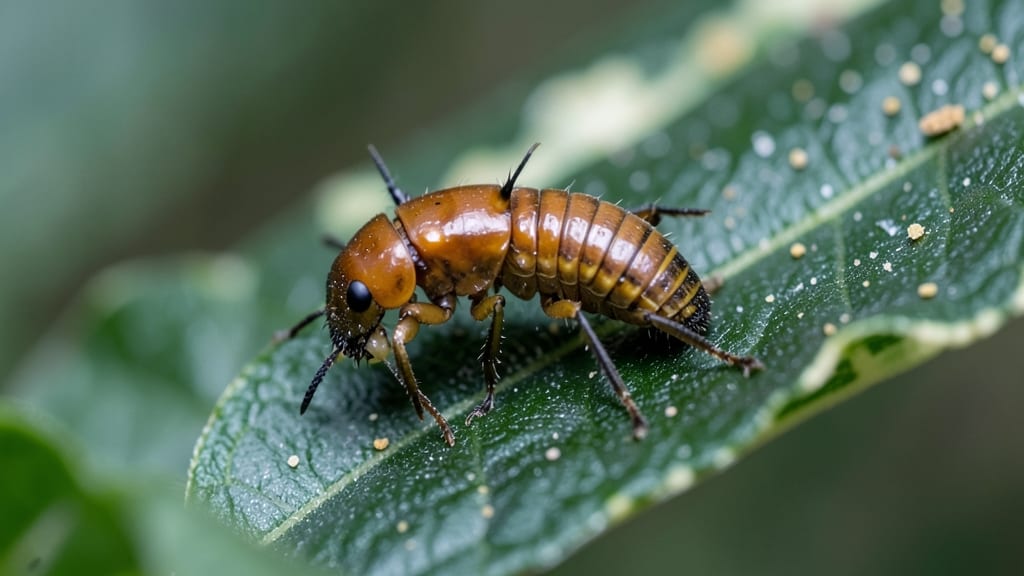
Getting rid of aphids on indoor plants can be a nightmare—those tiny green invaders turn lush houseplants into sticky, yellowing messes in days—until you use this spray-on solution. 🌿 I’ve battled aphids on ferns, peace lilies, and even my prized monstera, and this method clears them up in under 10 minutes without harsh chemicals. The key? A mix that disrupts their life cycle while being safe for kids and pets. Most store-bought sprays miss the mark because they’re too strong for indoor use. Instead, we’re using neem oil + water + a drop of dish soap—the combo aphids can’t resist. You’ll need just 3 ingredients, a spray bottle, and 5 minutes of your time. No fancy equipment, no waiting weeks for results. By the end of this, your plants will look revived and aphid-free, with new growth pushing through within a week. The best part? This spray doubles as a preventive treatment—just reapply every 2 weeks to keep those pests from returning. Works on all common houseplants, from succulents to tropicals, and leaves no residue. Here’s the exact recipe that’s saved my collection from aphid disasters—no more sticky leaves or wilting foliage.
Root Causes of Indoor Aphid Infestations
Aphids may seem like tiny, harmless pests, but they thrive indoors for specific reasons—often tied to your plant’s environment, health, or even your habits. Understanding these triggers is the first step to stopping them before they multiply.
Below, we break down the key reasons aphids invade your indoor plants, backed by science and actionable insights.
Aphids are attracted to stressed or weakened plants because their natural defenses (like sticky sap or bitter-tasting leaves) are compromised. Here’s why your plant might be vulnerable:
- Overwatering or Underwatering Aphids love plants with soft, tender growth—a sign of inconsistent moisture.
Overwatering creates soggy roots, while underwatering stresses the plant, both making it easier for aphids to feed on sap. Pro tip: 💡 Check soil moisture with your finger—it should feel like a damp sponge, not mud or dry sand.
- Poor Nutrition Plants deficient in nitrogen, phosphorus, or potassium produce weaker stems and leaves, making them aphid magnets. Yellowing leaves or stunted growth? Your plant is crying for help. Fix it: Use a balanced 20-20-20 fertilizer (or organic compost) to boost resilience.
- Recent Transplant Shock Moving plants disrupts their root systems, and aphids detect the stress signals (like volatile organic compounds, or VOCs) released by the plant. If you’ve repotted recently, your plant is extra tempting to aphids.
Aphids don’t just find your plants—they’re drawn to specific indoor conditions that mimic their outdoor breeding grounds. Here’s what’s making your home their perfect hideout:
- Warmth and Humidity Aphids thrive in temperatures between 60–80°F (15–27°C) and high humidity (60%+). If your bathroom or kitchen (near the sink) is warm and damp, aphids will migrate there. Solution: 🌡️ Use a dehumidifier or fan near affected plants to drop humidity below 50%.
- Low Airflow Stagnant air traps aphid pheromones (chemical signals they use to find mates and food). Crowded plants or sealed greenhouses (even small ones) create the perfect breeding ground. Quick fix: 💨 Gently brush plants with a fan daily to improve circulation.
- Sugar-Rich Sap New growth and sap-heavy plants (like ferns, ivy, or roses) are aphid buffets. These pests inject saliva with enzymes to break down plant cells, turning sap into a liquid meal. Avoid the trap: 🍯 Prune overly lush growth to reduce aphid food sources.
You might unknowingly bring aphids inside or create conditions that encourage them. Here’s how:
- Buying Infested Plants Aphids often hitchhike on new plants, soil, or even decorative rocks. Inspect every leaf and stem before bringing a plant home. Pro move: 🔍 Quarantine new plants for 2 weeks in a separate room before introducing them to your collection.
- Overcrowding Plants Tight spaces slow airflow and make it easier for aphids to spread via ants (who farm them for honeydew). If your shelf is a plant jungle, aphids will move in like squatters. Declutter: 🏡 Rearrange plants to allow 3–4 inches of space between leaves.
- Using Synthetic Fertilizers Some chemical fertilizers disrupt the plant’s natural defenses, making them more susceptible to pests. Aphids also prefer plants with high sugar content, which synthetic fertilizers can increase. Swap to: 🌱 Organic options (like fish emulsion or worm castings) to balance nutrition without overfeeding.
Key Takeaway: Aphids don’t just appear—they’re drawn to weak plants, cozy indoor climates, and human mistakes. By addressing these root causes, you’ll make your home less hospitable and more likely to keep aphids at bay.
Next, we’ll cover how to spot an infestation early so you can act fast!
Quick Fixes for Tiny Plant Invaders
Aphids may be small, but their damage adds up fast—sticky residue, weakened leaves, and even fungal infections if left unchecked. The good news? You don’t need harsh chemicals to kick them out of your indoor jungle.
Below, we’ll tackle the most common causes of aphid infestations and match them with practical, plant-safe solutions that work in minutes (or days, if you’re dealing with a stubborn colony). Plus, we’ll share prevention tips to keep your green babies aphid-free long-term.
Aphids love plants that are already struggling—think crowded leaves, weak stems, or roots bound by tight pots. Fix it fast:
🔪 Trim the Damage
- Use sterilized scissors to snip off heavily infested leaves or stems. Drop them in soapy water (not your compost!) to kill any hitchhiking aphids.
- Focus on new growth—aphids adore tender shoots.
🏠 Quarantine New Plants
- Before bringing home a new plant, inspect it under a bright light (use a magnifying glass if needed). If you spot aphids, treat it separately for 2–3 days before introducing it to your collection.
- Pro tip: 💡 Place new plants in a separate room or bathroom for a week to monitor for pests.
🌱 Boost Plant Health
- Repot overcrowded plants into slightly larger containers with fresh, well-draining soil.
- Fertilize lightly with a balanced, water-soluble fertilizer (follow package instructions) to strengthen your plant’s defenses.
Aphids excrete honeydew, a sugary goo that attracts ants and encourages sooty mold—a black, fuzzy fungus that chokes your plant’s leaves. Clean it up:
🚿 Rinse Off the Mess
- Mix 1 gallon of water + 2 tbsp dish soap (like Dawn) in a spray bottle. Spray down leaves (top and bottom!) until they glisten. The soap suffocates aphids on contact.
- For stubborn honeydew, wipe leaves with a damp microfiber cloth or sponge.
🐜 Break the Ant-Aphid Alliance
- Ants farm aphids for honeydew, so if you see ants trailing up your plant, trap them first:
- Set out borax bait stations (1 part borax to 4 parts sugar + water) near infested plants.
- Pro tip: 🔥 Sprinkle diatomaceous earth (DE) around the soil line—it’s harmless to plants but deadly to ants.
🌡️ Shock Treatment for Heavy Infestations If your plant is covered in aphids, try a hot soak:
- Fill a sink or bucket with hot (not boiling) water (~110°F).
- Submerge the entire plant (potted and all) for 10–15 minutes.
- Let it dry in direct sunlight (UV rays help kill lingering eggs).
Even after you’ve wiped out adult aphids, eggs can hatch in 7–10 days. Prevent regrowth with these sprays:
🍋 Vinegar & Oil Spray (Best for Mild Infestations)
- Mix:
- 1 cup white vinegar
- 1 cup water
- 1 tsp neem oil (or horticultural oil)
- 1 tsp dish soap
- Spray directly on aphids (avoid flowering plants if possible—vinegar can damage petals).
- Reapply every 3–4 days until no new aphids appear.
🌿 Ladybugs & Lacewings (Eco-Friendly Allies)
- Release beneficial insects like ladybugs or lacewing larvae (available online or at garden centers). They devour aphids but won’t harm your plants.
- Pro tip: 🌡️ Place them on infested plants at dusk—they’re most active in cooler temps.
🛡️ Physical Barriers for Prevention
- Sticky traps (like yellow cards) placed near windows can catch aphids before they land.
- Row covers (fine mesh fabric) over new growth can block flying aphids if you’re growing from cuttings.
Once you’ve evicted the pests, lock them out with these habits:
🌿 Inspect Regularly
- Check new leaves, undersides of leaves, and stems every 2–3 days during warm months.
- Pro tip: ✨ Use a flashlight at a 45-degree angle—aphids cast tiny shadows that are easier to spot.
💧 Water Wisely
- Aphids thrive in damp, humid conditions. Avoid overwatering and ensure pots have drainage holes.
- Mist leaves sparingly—aphids love moisture on foliage.
🍃 Rotate & Air Out
- Rotate plants weekly so all sides get even sunlight (aphids hide in shaded spots).
- Increase airflow with a small fan (on low) near your plants—aphids hate moving air.
🌱 Strengthen Your Plants
- Feed them right: Use a balanced fertilizer (like 10-10-10) every 4–6 weeks in growing season.
- Stress = aphid buffet: Avoid sudden temperature changes or drought stress.
Final Note: If aphids keep coming back despite your efforts, they might be inside your walls (e.g., crawling from outdoor plants through open windows). Seal gaps with caulk and screen vents to keep them out for good!
Frequently asked questions
Why do aphids keep coming back even after I treat my plants?
Aphids reproduce quickly—females can lay hundreds of eggs in days, and eggs may survive on plants for weeks. Reapply treatments every 3-5 days for 2 weeks to catch new hatchlings. Also check nearby plants, as aphids spread rapidly.
Is neem oil safe for all indoor plants, especially flowering ones?
Neem oil is generally safe for most plants, but avoid spraying open flowers or fruit-bearing plants like tomatoes. For delicate blooms, dilute neem oil further (use 1 tsp per quart of water) and apply in the evening when flowers are closed.
How do I know if my plant has aphids before I see them?
Watch for sticky residue on leaves (aphid honeydew) or ants crawling up stems—they farm aphids! Also check for curling leaves, yellowing, or black sooty mold (a fungus that grows on honeydew).
Can I use this spray on edible indoor plants like herbs?
Yes, but wait 24 hours before harvesting leaves after spraying. The neem oil/dish soap mix is safe for herbs like basil, mint, and parsley when used as directed—just avoid overspraying edible parts directly.
What if my plant looks dead after treating aphids?
Don't panic! Aphid damage can cause plants to wilt temporarily. Move the plant to bright indirect light and water only when the top 1 inch of soil is dry. New growth should appear within 1-2 weeks if roots are still healthy.