
Aphids
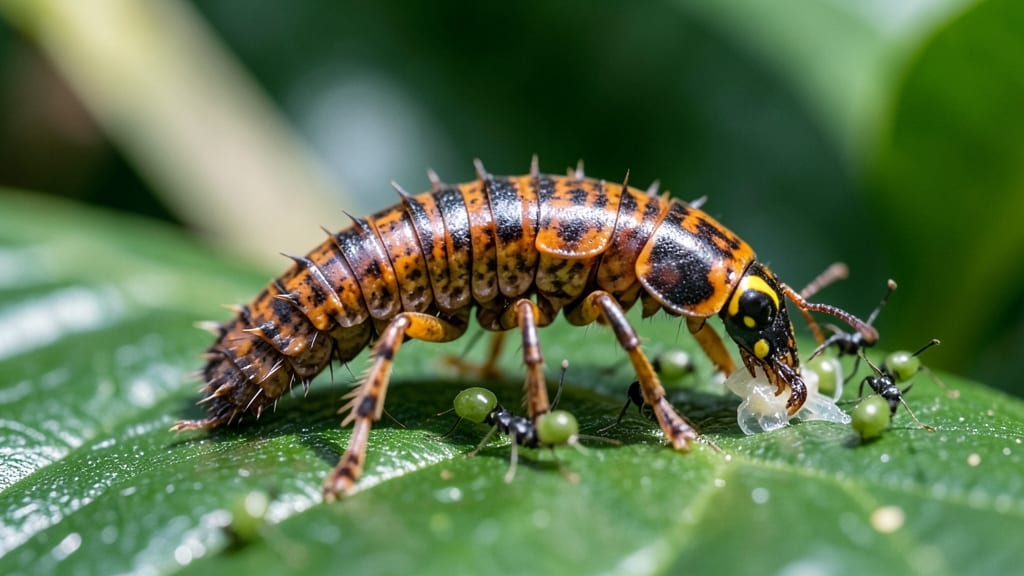
Those tiny green invaders can turn your thriving indoor plants into sticky, curled messes in no time. 🌱 I’ve battled aphids on everything from ferns to fiddle-leaf figs, and these five simple steps—no toxic sprays required—have saved my collection every time.
The key? Acting fast before they multiply and choosing methods that won’t harm your plants.
Most aphid problems start with weak plants—low light, dry air, or overcrowding makes them easy targets. I learned the hard way that a single plant can turn into an infestation in less than a week if you ignore the first signs: sticky residue (honeydew) on leaves or curled, yellowing foliage.
The good news? You don’t need fancy tools—just a spray bottle, mild soap, and a little patience.
By the end of these steps, your plants will look fresh and aphid-free, with new growth pushing out within 7-10 days. The best part?
These methods work for delicate houseplants, succulents, and even your prized orchids. No more throwing away infested leaves—just a quick cleanup and a stronger, healthier plant.
Once you’ve tackled the current outbreak, we’ll cover preventive habits like regular inspections, companion plants, and adjusting your care routine to keep aphids away for good. Trust me, your indoor jungle will thank you.
Root Causes Of Indoor Aphid Infestations
Aphids don’t just randomly appear on your indoor plants—they’re drawn by specific conditions that make your leafy friends a perfect buffet. Understanding why these tiny pests invade helps you eliminate them and prevent future outbreaks. Let’s break down the science behind their unwelcome visits.
Aphids are like the fast-food chains of the insect world—they thrive where plants are already struggling. When your indoor plants are stressed or nutrient-deficient, their natural defenses (like sticky resin or bitter-tasting leaves) weaken, making them prime targets for aphids.
- Overwatering or underwatering: Both extremes disrupt a plant’s ability to produce defensive compounds. Too much water drowns roots, while too little starves them, leaving them vulnerable. - Poor lighting: Many indoor plants (like ferns or peace lilies) need bright, indirect light.
Low light weakens photosynthesis, reducing the plant’s ability to produce protective chemicals. - Nutrient imbalances: A lack of nitrogen, phosphorus, or micronutrients (like magnesium) makes plants softer and more appealing to aphids. Yellowing leaves or stunted growth? That’s an aphid’s dinner bell ringing.
Pro Tip: 🌡️ Test your soil’s pH—aphids prefer plants with a pH between 6.0 and 7.0. Adjusting it with lime (to raise pH) or sulfur (to lower it) can make your plants less inviting.
Aphids have a chemical radar for new, tender growth—they’re drawn to the high sugar content in young leaves and stems.
This is why you’ll often spot them clustered on: - New shoots (where cells are rapidly dividing and packed with easily digestible sugars). - Flower buds (which produce nectar-like substances to attract pollinators—but aphids love them too). - Soft stems (like those on basil, mint, or spider plants).
Why it matters: Aphids don’t just feed—they inject toxins while eating, which can stunt growth or cause leaves to curl. Their honeydew (a sticky byproduct) also attracts sooty mold, turning your plant’s leaves black and reducing photosynthesis.
Even the most careful plant parents can unknowingly bring aphids indoors.
These pests are master stowaways, hiding in: - Plant soil (especially if the previous owner had an infestation). - Leaves or stems (they love to cling to the undersides of broad leaves). - Potting materials (like moss or bark chips used in terrariums).
How it spreads:
- New purchases: Aphids can survive weeks without food, so even a "healthy-looking" plant from a nursery might be carrying them.
- Outdoor-to-indoor transfer: Bringing in cuttings, herbs, or potted plants from balconies or gardens is a common culprit.
- Shared tools: Using the same scissors, pots, or watering cans on infested and clean plants transfers aphids like a game of biological telephone.
Pro Tip: 🔍 Quarantine new plants for 2–4 weeks in a separate room before introducing them to your indoor garden. Inspect leaves (especially undersides) and soil with a magnifying glass.
Aphids love humidity—think of them as tropical insects in a sauna.
Indoor environments often create the perfect conditions: - High humidity (60–80%): Mimics their natural habitats (like underforest canopies) and keeps them hydrated. - Warmth (70–80°F): Speeds up their reproduction cycle (they can multiply exponentially in ideal conditions). - Poor airflow: Stagnant air traps moisture and prevents natural predators (like ladybugs) from patrolling your plants.
Where they thrive most:
- Bathrooms (steamy showers = aphid paradise).
- Kitchens (herb gardens near windows with indirect light).
- Bedrooms (low light + high humidity from breath or dehumidifiers).
Fix it: 💡 Increase airflow with small fans or open windows (if safe) and aim for 40–60% humidity to deter them.
In the wild, aphids face a gauntlet of predators—ladybugs, lacewings, parasitic wasps, and even birds. But indoors? They’re basically invincible without intervention.
- No ladybugs or lacewings: These insects are aphid-hunting machines, but they won’t wander into your home unless you invite them (more on that in the treatment steps!).
- No birds or spiders: Indoor ecosystems lack the diversity to keep aphid populations in check.
- Overuse of pesticides: If you’ve sprayed chemicals before, you might’ve killed the good bugs (like predatory mites) along with the pests, creating a vacuum that aphids rush to fill.
Solution: 🌿 Encourage beneficial insects by planting companion species (like marigolds or nasturtiums) near windows or using aphid-resistant plants (like lavender or rosemary) as barriers.
Turn Your Plants Back to Green
Now that you know why aphids are crashing your indoor plant party, it’s time to kick them out for good! The good news? You don’t need harsh chemicals or expensive tools to win this battle. With a few targeted fixes, you can restore your plants to their happy, aphid-free selves.
Below, we’ve mapped out practical solutions based on the most common causes—plus prevention tips to keep those tiny pests from returning.
Aphids love weak, stressed plants because they’re easy prey. If your greenery is struggling from overcrowding, poor light, or neglect, it’s time to revitalize them.
🍳 Step 1: Prune Like a Pro
- Use clean, sharp scissors to trim away heavily infested leaves and stems.
- Focus on new growth—aphids love tender shoots!
- Pro tip: 💡 Drop pruned leaves into a bucket of soapy water (more on that below) to trap aphids.
👨🍳 Step 2: Give Them Space to Breathe
- If your plants are packed too closely, thin them out—aphids spread faster in tight quarters.
- Ensure 6+ inches of space between plants to improve airflow (aphids hate dry conditions).
🌡️ Step 3: Optimize Light & Water
- Light: Most indoor plants thrive in bright, indirect light. Move them near a window (but avoid harsh sun).
- Water: Let the top 1-2 inches of soil dry between waterings. Overwatering weakens roots, making plants aphid magnets.
- 🎯 Pro tip: ✨ Use a moisture meter to avoid guesswork—aphids adore soggy soil!
If aphids have already set up camp, act quickly before they multiply. Here’s how to smother, wash, or trap them effectively.
🔪 Manual Removal (Best for Small Infestations)
- Rub them off with a damp cloth or sponge (aphids are slippery—wear gloves!).
- Blast them away with a strong stream of water from the showerhead (gentle enough not to damage leaves).
- 🔥 Pro tip: 🌡️ Do this early in the morning when aphids are sluggish from the cool air.
🧼 Soapy Water Spray (Gentle but Effective)
Mix:
- 1 tsp mild dish soap (like Dawn) or 1 tbsp neem oil
- 1 quart lukewarm water
- 1 tsp rubbing alcohol (optional, helps break down aphid waxy coating)
How to use:
- Spray directly on aphids (undersides of leaves too!).
- Wait 10 minutes, then rinse with clean water.
- Repeat every 3-5 days until gone.
- ⚠️ Warning: Test on a small leaf first—some plants (like succulents) are soap-sensitive.
🕷️ Natural Predators (Let Nature Do the Work)
Introduce aphid-eating allies to your plant ecosystem:
- Ladybugs (buy online or attract with dill or fennel plants).
- Lacewings (their larvae devour aphids like popcorn).
- Parasitic wasps (yes, they’re tiny and harmless to you!).
- 💡 Pro tip: 🌱 Place a small dish of water with a drop of honey nearby to feed these helpers.
🛡️ DIY Traps & Barriers
- Sticky traps: Place yellow sticky cards near plants—aphids are drawn to the color and get stuck.
- Aluminum foil collars: Wrap the base of pots with foil to block crawling aphids from migrating.
- Coffee grounds: Sprinkle used grounds around the soil (aphids dislike the smell).
Once you’ve evicted the aphids, lock the doors with these long-term strategies:
| Problem | Solution | How to Do It |
|---|---|---|
| New plants bringing pests | Quarantine for 2 weeks | Isolate new plants away from others. |
| Weakened plants | Fertilize with balanced NPK | Use a diluted 10-10-10 fertilizer monthly. |
| Poor airflow | Use a small fan | Run a gentle fan near plants for 1 hour/day. |
| Outdoor pests hitchhiking | Inspect before bringing inside | Wipe leaves with rubbing alcohol before moving plants. |
| Dusty leaves | Wipe with microfiber cloth | Dust blocks stomata (leaf pores), making plants vulnerable. |
🎯 Pro tip: ✨ Rotate your plants every few weeks so all sides get equal light—aphids love shading in neglected spots!
Final Thought: Aphids may be tiny, but they’re no match for a well-prepared plant parent. Start with manual removal and soapy water, then strengthen your plants’ defenses to keep them coming back.
With consistency, your indoor jungle will be aphid-free in no time—and your plants will thank you with lush, vibrant growth! 🌿💚
Frequently asked questions
Why do aphids keep coming back even after I treat them?
Aphids return most often because their favorite plants are still stressed or the environment remains perfect for them. Check your watering habits (overwatering = aphid buffet), ensure proper airflow (they hate dry conditions), and fertilize with a balanced 10-10-10 mix to strengthen plant defenses. Also, inspect new plants for 2 weeks in quarantine before adding them to your collection.
Can neem oil harm my indoor plants?
Neem oil is generally safe when used correctly, but always test a small leaf first—some sensitive plants (like succulents or orchids) may react poorly. Dilute it properly (1 tbsp per quart of water) and avoid spraying in direct sunlight (can cause leaf burn). If you notice yellowing or wilting after treatment, rinse thoroughly with water.
How do I know if my plant has aphids before I see them?
Watch for these early warning signs: sticky residue on leaves (aphid honeydew), curled or yellowing foliage, or tiny white threads (aphid trails). Check leaf undersides with a magnifying glass—aphids love hiding there! If you spot these signs, act fast before they multiply into a full-blown infestation.
Will ladybugs actually eat all my aphids?
A single ladybug can eat 50-100 aphids in its lifetime, but you'll need about 5-10 ladybugs per plant for serious infestations. Release them in the evening when they're most active, and provide a shallow dish of water with honey nearby to keep them fed. For best results, introduce them after your first soapy water treatment.
What's the fastest way to save a severely infested plant?
For extreme cases, prune all infested leaves (don't compost them—drop in soapy water), then give your plant a hot shower (use 110°F water for 30 seconds) to kill remaining aphids. Follow up with neem oil spray and isolate the plant for 1 week while you treat surrounding plants preventatively.