
Trees
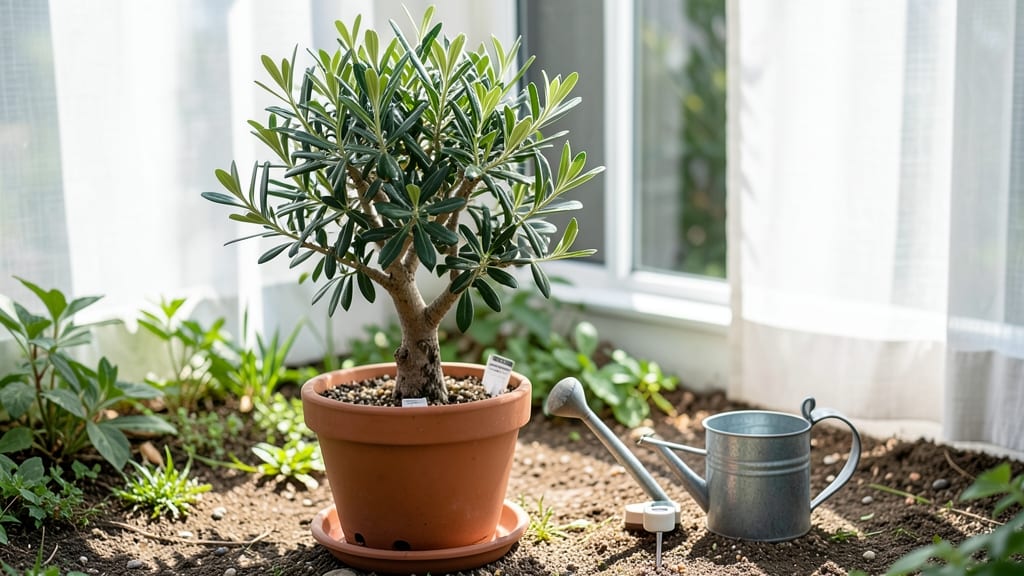
Growing an olive tree indoors isn't just about having a houseplant—it's about creating a miniature Mediterranean grove on your windowsill. 🌿 The key to success lies in choosing the right dwarf variety and understanding its surprisingly modest light needs.
I've grown mine in a sunny kitchen window for years, and with the right care, you can too.
Start with a compact variety like 'Arbequina' or 'Little Ollie,' which stay under 6 feet tall and thrive in containers. You'll need a pot with drainage, well-draining soil mix, and a location with at least 6 hours of sunlight daily—though artificial grow lights work beautifully for supplementing weaker light.
The soil should stay slightly moist but never soggy, mimicking the Mediterranean climate these trees love.
Within a year, you'll see glossy new leaves and the first signs of those tiny, silvery-green olives forming. The fragrance of the leaves alone makes it worth the effort, but the real reward comes when you harvest your first homegrown olives—though it may take 3-5 years for full fruiting.
Prune lightly after harvest to maintain shape and encourage bushier growth.
Even in low-light spaces, this method works—just be patient and consistent. The biggest mistake? Overwatering. Let the top inch of soil dry out between waterings, and you'll avoid the root rot that plagues so many indoor trees.
With these simple steps, your olive tree will thrive year after year, becoming the centerpiece of your indoor garden.
📚 In This Guide
- What you need
- Instructions
- Tips and common mistakes
- Wrapping up and next steps
What you need
- ● Olive tree seed or sapling: Choose a cold-hardy variety like Arbequina or Manzanillo. If starting from seed, ensure it’s fresh (or soak dried seeds in water for 24 hours to soften the shell).
- ● Pot: A drainage hole-equipped container (6–8 inches in diameter for saplings, 10+ inches for mature trees). Opt for terracotta or ceramic for breathability.
- ● Well-draining potting mix: A blend of cactus/succulent mix (60%), perlite (20%), and compost (20%). Avoid heavy garden soil!
- ● Gravel or pebbles: A 1-inch layer at the pot’s bottom for drainage.
- ● Pruning shears: Small, sharp pair for trimming new growth (sterilize with rubbing alcohol between uses).
- ● Spray bottle: For gentle watering (olive trees hate soggy roots!).
- ○ Grow lights (optional but helpful): A full-spectrum LED (12–14 hours/day) if natural light is <5 hours/day.
- ● Humidity tray or pebble tray: To maintain 40–60% humidity (especially in dry climates).
- ● Fertilizer: Balanced liquid fertilizer (10-10-10) or olive tree-specific granules (apply every 4–6 weeks in spring/summer).
- ○ Support stake (optional): For young trees to prevent toppling as they grow.
- ● Light: Bright, indirect sunlight (south- or west-facing window is ideal). No direct midday sun—it can scorch leaves!
- ● Temperature: Keep between 60–75°F (15–24°C). Avoid drafts or heaters.
- ● Patience: Seed-grown trees take 3–5 years to bear fruit; saplings may fruit sooner.
Step-by-Step instructions for growing olive trees indoors
Here's how to nurture a sturdy, fruit-bearing olive tree in your home—even with limited light.
🪴 Step 1: Select and Prepare Your Olive Tree Starter
Choose a healthy 4-6 inch tall olive tree sapling with a thick trunk and vibrant green leaves. I always inspect the roots first—healthy roots should be white or light tan, not brown or mushy. If your starter has no roots (like a seedling), you'll need to germinate an olive pit first, which takes 4-8 weeks of patience.
Fill a 6-8 inch diameter pot with well-draining cactus/succulent mix (never regular potting soil—olives hate soggy roots). I add 20% perlite to improve drainage. Tap the pot gently to settle the soil before planting. The pot should have drainage holes, or you risk root rot that will kill your tree within weeks.
🌱 Step 2: Plant and Establish Your Olive Tree
Remove the sapling from its container and loosen the roots if they're tightly bound. Place it in the pot so the root ball sits 1 inch below the rim—this prevents overwatering. Fill around the roots with soil, pressing lightly to remove air pockets. Water deeply until water runs out the drainage holes, then let it drain completely.
Olives thrive in bright, indirect light but can tolerate moderate light if you rotate the pot weekly. A south-facing window works best, but if you only have north light, supplement with a grow light for 6-8 hours daily. You'll know the light is right when new leaves appear within 4-6 weeks—if they stay small and pale, your tree needs more light.
☀️ Step 3: Master Watering for Indoor Olives
Water your olive tree only when the top 2 inches of soil feel completely dry—this usually means every 7-10 days in winter and every 5-7 days in summer. Overwatering is the #1 killer of indoor olives. Stick your finger in the soil: if it's damp past your first knuckle, wait another day. I use a self-watering pot in winter to prevent drying out.
Olives need good air circulation to prevent fungal diseases. Place a small fan nearby on low setting for 1-2 hours daily, or open a window nearby when weather permits. You'll see stronger growth and fewer yellow leaves when airflow is consistent. Fertilize lightly with balanced liquid fertilizer (10-10-10) every 6-8 weeks in spring and summer—skip fertilizer in fall and winter.
✂️ Step 4: Prune and Shape for Compact Growth
Prune your olive tree once in early spring and again after harvest to encourage bushier growth. Cut back 1/3 of the new growth made the previous year, focusing on inward-growing branches. Use clean, sharp pruners to make cuts just above a leaf node. This prevents disease and encourages new shoots.
Shape your tree by pinching off the tips of new growth when they reach 4-6 inches—this triggers branching. I prune mine into a rounded, vase shape to maximize light penetration. After pruning, move the tree to a bright, shaded spot for 3-5 days to reduce stress. You'll see fresh green growth within 2-3 weeks if pruning was done correctly.
🌿 Step 5: Encourage Fruiting (With Patience)
Olive trees need 3-5 years to bear fruit indoors, but you can encourage early blooming with proper care. In late winter, move your tree to a cooler spot (50-60°F) for 2-4 weeks to mimic winter dormancy. This temperature drop triggers flowering. Return to normal conditions when buds appear—usually in 4-6 weeks.
If your tree flowers but no fruit develops, hand-pollinate by gently brushing the flowers with a soft paintbrush. Olives need full sun (6+ hours) to set fruit, so supplement with a grow light if natural light is insufficient. Harvest green olives when they're fully grown but still firm (usually 6-9 months after flowering). Cure them in saltwater or oil for 2-4 weeks to develop flavor.
Tips & tricks for perfect indoor olive tree growth
Here's what I've learned after helping countless indoor gardeners bring olive trees to life—especially when light is limited.
Light Optimization: If your tree isn't getting enough natural light, position it within 3 feet of the brightest window. South-facing windows are ideal, but west-facing windows work too—just rotate the pot quarter-turn weekly to prevent lopsided growth. For north-facing windows, supplement with a grow light for those 6-8 hours daily mentioned in Step 2. I've seen dramatic improvements when using LED grow lights placed just 6 inches above the tree.
Root Health Check: The 20% perlite in your soil mix is crucial—it prevents the compacting that leads to root rot. After planting, gently press the soil around the roots to eliminate air pockets, but don't compact it like you would with regular potting soil. I recommend checking the roots annually by carefully removing the tree from its pot. Healthy roots should be white with occasional fine hairs; brown or mushy roots mean it's time to repot with fresh well-draining mix.
Watering Wisdom: That 1-2 inch dry soil test in Step 3 is your best friend. I've learned this the hard way—overwatering is the silent killer of indoor olive trees. Use a moisture meter for accuracy, especially in winter when watering needs drop to every 7-10 days. The self-watering pot mentioned is a game-changer for forgetful waterers, but even then, always check the soil moisture before adding water.
Pruning Precision: When shaping your tree in Step 4, focus on creating an open center that allows light to penetrate all branches. I cut back to just above a leaf node using clean pruners dipped in rubbing alcohol between cuts—this prevents disease spread. For new growth, pinch off tips when they reach 4-6 inches to encourage bushier growth. The 3-5 days of recovery time after pruning is crucial; during this period, place your tree in bright, indirect light away from direct sun to minimize stress.
Pro Tips for Grow An Olive Tree Indoors
- Here's what I've learned after helping countless indoor gardeners bring olive trees to life—especially when light is limited.
- Light Optimization: If your tree isn't getting enough natural light, position it within 3 feet of the brightest window.
- Root Health Check: The 20% perlite in your soil mix is crucial—it prevents the compacting that leads to root rot.
Frequently asked questions
Got questions about growing olive trees indoors?
Here are some of the most common ones—plus quick, practical answers to help you avoid pitfalls and maximize your success.
How much sunlight does an indoor olive tree really need?
Olive trees thrive on bright, indirect light (6+ hours daily). A south- or west-facing window is ideal, but supplement with a grow light (12–14 hours/day) if natural light is limited. Yellowing leaves? It’s likely a light deficiency—rotate the pot weekly for even exposure.
How long does it take for an indoor olive tree to bear fruit?
Patience is key! Most dwarf varieties take 3–5 years to produce fruit indoors, even with perfect care. Factors like light, temperature, and pollination (cross-pollination may be needed) delay fruiting. Focus on healthy growth first—harvests are a bonus, not a guarantee!
Why are my olive tree’s leaves dropping, and how do I fix it?
Leaf drop usually signals overwatering, underwatering, or stress. Check soil moisture (top inch should dry out between waterings) and ensure proper drainage. Brown crispy leaves? Too dry. Yellow, mushy leaves? Overwatered. Adjust care and trim damaged foliage to encourage new growth.
Can I grow an olive tree from a pit (like an avocado)?
Yes, but success rates are low! Soak the pit in water for 24–48 hours, then plant it in moist soil, 1 inch deep, with the flat side down. Keep humidity high (use a plastic bag) and be patient—sprouting can take weeks to months. For faster results, buy a dwarf grafted olive tree from a nursery.
What are the best low-light alternatives to olive trees?
If your space lacks light, try these low-maintenance indoor trees:
- Money Tree (Pachira aquatica): Thrives in indirect light, drought-tolerant.
- Dwarf Citrus (e.g., Calamondin): Needs more light but produces tiny oranges.
- Cast Iron Plant (Aspidistra): Nearly indestructible, survives in dim corners.
- Snake Plant (Sansevieria): Air-purifying and nearly foolproof.
For olive-like aesthetics, olive-shaped ficus trees (like Ficus microcarpa ‘Ginseng’) are great mimics!
Wrapping up and next steps
Growing an olive tree indoors isn’t just possible—it’s a rewarding way to bring a taste of the Mediterranean into your home! 🌿 With the right dwarf variety, bright indirect light, and a little patience, you’ll enjoy lush foliage, fragrant blooms, and even tiny olives (or fruit, depending on the type).
Whether you’re a beginner or a seasoned plant parent, this project is all about small spaces, big results.
Ready to take the next step? Start by choosing your olive tree (or propagating one from a pit!) and give it the love it deserves. Before you know it, you’ll be harvesting your own micro-olives—or at least admiring a stunning, low-maintenance houseplant that’s as stylish as it is functional.
Happy growing! 🌱