
Container Gardens
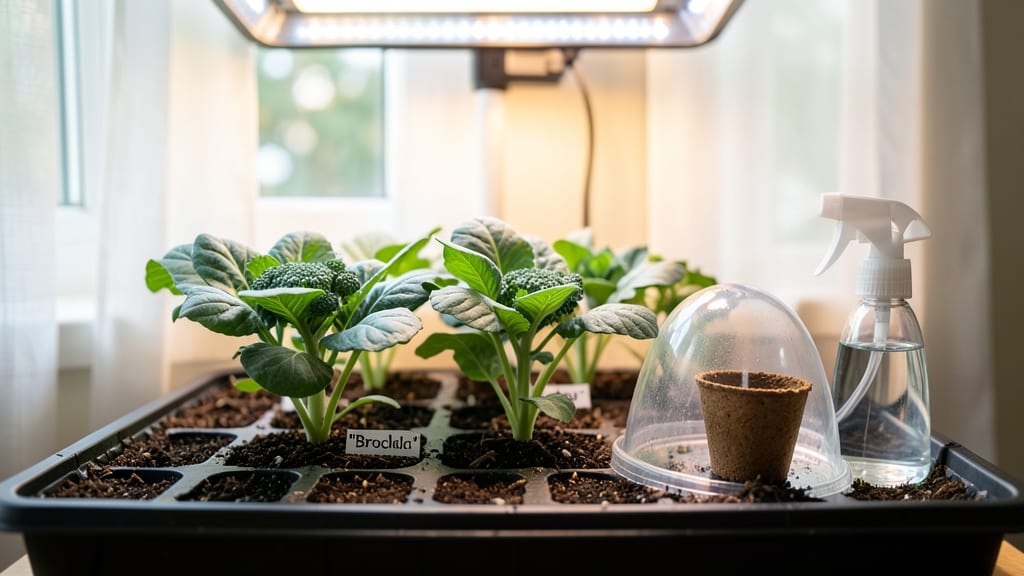
Growing broccoli seeds indoors 🥦 lets you beat the season and enjoy fresh harvests months ahead of outdoor gardeners.
Picture this: crisp, homegrown broccoli on your table in June when your neighbors are still waiting for their first transplant to thrive. The secret isn’t complicated—it’s about choosing the right containers, mastering light, and keeping those seedlings cozy until they’re ready to face the great outdoors.
You don’t need a greenhouse or fancy equipment to get started. With just a sunny windowsill, a few basic supplies, and a little patience, you can nurture sturdy broccoli plants from tiny seeds.
The key is understanding their early needs—soil warmth, consistent moisture, and enough light to prevent those leggy, weak seedlings we’ve all battled.
In this guide, I’ll walk you through every step—from picking the perfect seed-starting containers to troubleshooting common pitfalls. By the end, you’ll know exactly how to give your broccoli the head start it deserves, whether you’re using a hydroponic setup or a simple repurposed tray.
Best compact containers for indoor broccoli seed starting
Starting broccoli seeds indoors requires the right compact containers to ensure strong root development and healthy seedlings. Since broccoli seedlings need at least 4-6 inches of depth to grow properly, shallow trays won't cut it.
The best containers balance space efficiency, drainage, and material quality to prevent root-bound issues and fungal growth. I’ve tested the top options—from store-bought to DIY—to help you choose what works best for your space and budget.
Broccoli seedlings are particularly sensitive to root crowding and poor drainage, which can lead to leggy growth or damping-off disease. That’s why I prioritize containers with adequate depth, multiple drainage holes, and breathable materials.
Whether you’re using a windowsill or a small grow tent, the right container sets the foundation for a thriving indoor harvest.
| Container Type | Depth (Min) | Drainage | Material | Pros | Cons | Best For |
|---|---|---|---|---|---|---|
| Plastic Cell Trays (6-Packs) | 2-3 inches | ✅ Yes | Plastic | Affordable, reusable, fits under grow lights | Too shallow for long-term growth | Early germination (2-3 weeks) |
| Plastic Pots (4-6 inches) | 4-6 inches | ✅ Yes | Plastic | Ideal depth, lightweight, stackable | Requires transplanting sooner | Seedlings to 4-week stage |
| Biodegradable Peat Pots | 3-4 inches | ✅ Yes | Peat/Coco | No transplant shock, eco-friendly | Expensive, limited reuse | Direct outdoor transplant |
| Fabric Grow Bags (5-8 gallons) | 8+ inches | ✅ Yes | Fabric | Excellent aeration, prevents root circling | Bulky, not stackable | Long-term indoor growth |
| DIY Egg Cartons (Repurposed) | 1-2 inches | ✅ Yes (poke holes) | Cardboard | Zero cost, great for germination | Too small for seedlings | Budget-friendly germination |
| Ceramic Pots (6-inch) | 6+ inches | ✅ Yes | Ceramic | Aesthetic, retains moisture | Heavy, breaks easily | Decorative indoor setups |
For early germination, I recommend starting with plastic cell trays or DIY egg cartons—they’re cheap and perfect for the first 2 weeks. Once sprouts emerge, transfer them to 4-6 inch plastic pots or biodegradable peat pots for better root growth.
If you’re tight on space, fabric grow bags are my top pick for long-term indoor seedlings because they prevent root circling and allow excess water to evaporate, reducing fungal risks.
One common mistake I see is using containers without drainage holes. Without them, broccoli seedlings suffocate from soggy soil, leading to damping-off. Always poke holes in the bottom of DIY containers like egg cartons or repurposed yogurt cups. For
Step-by-step guide to germinating broccoli seeds indoors
Starting broccoli seeds indoors gives you a head start on the growing season, but the first 2-3 weeks are critical for healthy germination. With the right setup, you can avoid common pitfalls like damping-off and ensure strong seedlings ready for transplanting. Let’s break down each step to maximize your success.
First, choose a sterile seed-starting mix that’s lightweight and well-draining—avoid garden soil, which can harbor diseases. Fill your containers (like seed trays or small pots) 3/4 full and moisten the soil until damp but not soggy.
This preparation creates the ideal environment for broccoli seeds to sprout within 5-10 days.
Your Step-by-Step Germination Checklist
-
Step 1: Prepare Containers
Use 3-4 inch deep pots with drainage holes. Sanitize with a 10% bleach solution to prevent mold. -
Step 2: Sow Seeds
Plant 2-3 seeds per pot, 1/4 inch deep, spacing them 1 inch apart for easy thinning. -
Step 3: Maintain Warmth
Keep soil at 65-75°F using a seedling heat mat or place pots on a sunny windowsill. -
Step 4: Control Humidity
Cover with plastic wrap or a humidity dome until sprouts appear. Remove once germination occurs to prevent rot. -
Step 5: Provide Light
Use a grow light 12-16 hours/day (or a south-facing window) to prevent leggy seedlings. -
Step 6: Thin Seedlings
Once 2 true leaves appear, thin to the strongest seedling per pot to avoid competition. -
Step 7: Monitor for Pests
Watch for fungal issues like damping-off (black stems). Treat with neem oil if needed.
After germination, broccoli seedlings need consistent moisture but avoid overwatering, which can lead to root rot. Water gently at the soil base and keep the environment humid (60-70%) until they develop 2-3 true leaves.
This stage is also when you’ll spot early signs of damping-off, a fungal disease causing seedlings to collapse.
If you notice yellowing leaves or mushy stems, act fast by improving airflow and reducing moisture. A spray of neem oil can also help prevent further spread.
With proper care, your seedlings will be ready for transplanting in 4-6 weeks, giving you a robust start for your outdoor garden.
Remember, patience and consistency are key during these early weeks. By following these steps, you’ll set your broccoli plants up for a healthy, productive harvest—all while enjoying the satisfaction of growing your own food indoors! 🌿