
Container Gardens
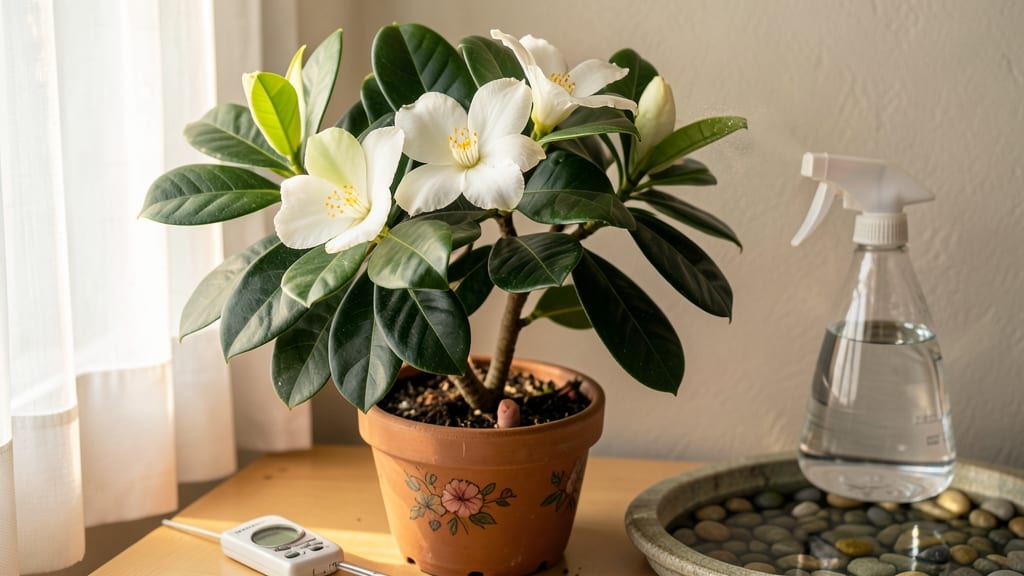
Growing gardenias indoors lets you enjoy their intoxicating scent year-round—though I learned the hard way that humidity is the real secret weapon. 🌿 These tropical beauties thrive when you mimic their natural rainforest environment, and once you crack the code, you’ll have fragrant blooms from winter through summer.
The key is bright, indirect light (a south-facing window or grow light) and soil that stays moist but never soggy. Most people overwater, causing yellow leaves and root rot—so let the top inch dry between waterings.
My plants now bloom every 6-8 weeks because I treat them like finicky houseguests rather than tough outdoor shrubs. You’ll notice the difference within weeks: glossy leaves, tight buds, and that signature gardenia perfume filling your home. The trade-off?
A little extra attention to humidity, which we’ll tackle next with simple (but effective) solutions. This works for any indoor space, from sunrooms to apartments. Let’s get those blooms going!
📚 In This Guide
- What you need
- Instructions
- Tips and common mistakes
- Wrapping up and next steps
What you need
- ● Gardenia plant: Choose a healthy, mature plant (3+ years old) from a nursery or propagate from cuttings. Pro tip: Look for buds or blooms to ensure it’s ready to thrive indoors!
- ○ Pot with drainage holes: A 12–16-inch diameter ceramic or terracotta pot (gardenias love breathing!). Optional: Add a saucer for humidity control.
- ● Well-draining potting mix: A blend of 50% peat moss or coco coir, 30% perlite or pumice, and 20% sand or orchid bark. Skip garden soil—it’s too dense!
- ○ Humidity tray or pebble tray: A shallow tray filled with pebbles and water (place the pot on top, not in the water). Optional: Use a humidifier near the plant.
- ● Spray bottle: For misting leaves (aim for morning misting to avoid fungal issues).
- ○ Balanced liquid fertilizer: A 20-20-20 or 10-10-10 formula, diluted to half-strength. Optional: Slow-release fertilizer pellets for convenience.
- ● Pruning shears: Sharp, clean shears for trimming dead blooms or overgrown branches.
- ○ Grow lights (optional): A full-spectrum LED grow light (12–14 hours/day) if natural light is less than 6 hours/day.
- ● Bright, indirect light: A south- or east-facing window (or a spot 3–6 feet from a west-facing window). ⚠️ Avoid direct sun—it burns leaves!
- ● Consistent warmth: Keep temps between 65–75°F (18–24°C). Gardenias hate drafts (AC vents, doors, or windows).
- ● Patience: Gardenias are slow growers—blooms may take 6–12 months indoors. Don’t rush it!
Step-by-step instructions for growing gardenias indoors
Here's how I keep my gardenias blooming indoors—no greenhouse needed.
🌱 Step 1: Pick the Right Spot and Pot
Gardenias thrive in bright, indirect light—think east-facing windows or a few feet from a south-facing one. Direct sun scorches leaves, while dim corners lead to sparse blooms. I use a glazed ceramic pot (they retain moisture better) with drainage holes, and I always place it on a saucer to catch excess water.
Choose a pot just 1-2 inches larger than the root ball—too big means soggy soil. The first year, I stick with a 6-inch pot for my plants, then upgrade as they grow. If your home runs dry, a humidifier nearby helps, but we'll cover that later.
☀️ Step 2: Water and Feed for Blooms
Gardenias hate soggy roots, so I water only when the top 1-2 inches of soil feel dry. Stick your finger in—if it's damp, wait. When you do water, use room-temperature, distilled or rainwater (tap water's chemicals burn them). I pour slowly until water drains from the bottom.
Feed every 2 weeks in spring/summer with an acid-loving plant fertilizer (I use 10-10-10 diluted to half-strength). Skip fertilizer in fall/winter—they rest then. Yellow leaves? Usually means too much fertilizer or not enough acidity. A splash of white vinegar (1 tbsp per gallon) once a month keeps their pH happy.
💧 Step 3: Boost Humidity Like a Pro
Here's the secret: 70% humidity is ideal. Without it, leaves crisp and buds drop. I place my gardenia on a pebble tray—fill a shallow tray with pebbles, add water, and set the pot on top (never let roots touch water). Mist the leaves daily in winter, but avoid wetting buds—it causes spotting.
For extra insurance, I group plants together (the more, the merrier) or run a small humidifier nearby. If your air feels dry, a clear plastic tent over the plant for a few hours helps, but remove it during the day for airflow. Watch for powdery mildew if humidity stays too high—spray with neem oil if you see white fuzz.
✂️ Step 4: Prune and Encourage More Blooms
After blooms fade, snip stems back to a leaf node (where leaves attach). This keeps the plant bushy and encourages new growth. I prune right after flowering—never in fall or winter. Deadhead spent blooms regularly to redirect energy to fresh buds.
If your gardenia gets leggy, it's begging for light. Rotate the pot quarter-turn weekly so it grows evenly. Pinch back new growth tips in spring to promote branching. And here's a trick: A light frost (50°F nights) mimics winter—if you can, move it outside for a few weeks in cool weather to reset growth cycles.
⏰ Step 5: Watch for Pests and Adjust Seasonally
Check leaves weekly for aphids or spider mites—they love dry air. Wipe leaves with a soapy sponge (1 tsp mild soap per gallon of water) if you spot tiny webs or sticky residue. Gardenias rarely get pests, but stress invites trouble.
In fall, reduce watering and stop fertilizing. Move the plant to a cooler spot (60-65°F) and increase humidity slightly. If buds form but drop, it's usually low humidity or drafts. Keep it away from vents, doors, and AC units—consistent conditions are key.
Tips & tricks for perfect indoor gardenia care
Real talk: I've lost count of how many gardenias I've nursed back to health after ignoring these simple secrets. Here's what nobody tells you—
Light is Everything: That east-facing window isn't just "bright enough"—it's where the magic happens. If your gardenia's leaves start yellowing between the veins, it's getting too much direct sun. I've seen gardenias thrive in south-facing spots too, but only if they're placed 3-4 feet back from the glass. For north-facing windows, supplement with a grow light for 6 hours daily during winter months when natural light dims.
Soil Science Matters: The instructions mention glazed ceramic pots, but here's what I learned the hard way: Use a well-draining potting mix specifically formulated for acid-loving plants. Regular garden soil compacts and suffocates roots. I mix in 20% perlite or orchid bark to improve aeration. And always use a pot with drainage holes—even if you swear you'll never overwater. Trust me, you will.
Humidity Hacks: That 70% humidity target feels impossible in winter, but here's my go-to trick: Place your gardenia on a bed of damp sphagnum moss instead of pebbles. The moss holds moisture longer than pebbles and provides more consistent humidity. For extra insurance, I group my gardenia with other houseplants—they create their own microclimate. Just avoid overcrowding, which can actually reduce airflow and invite pests.
Temperature Secrets: Those 50°F nights I mentioned? That's not just about frost—it's about triggering dormancy. If you can't move your gardenia outside, replicate this by placing it in the coolest spot in your home (usually a basement or garage with good airflow) for 2-3 weeks in late fall. The temperature drop helps reset the plant's growth cycle, leading to more abundant blooms in spring. Just don't let it get below 45°F—gardenias are tropical divas after all.
Pro Tips for Growing Gardenias Indoors
- Real talk: I've lost count of how many gardenias I've nursed back to health after ignoring these simple secrets.
- Light is Everything: That east-facing window isn't just "bright enough"—it's where the magic happens.
- Soil Science Matters: The instructions mention glazed ceramic pots, but here's what I learned the hard way: Use a well-draining potting mix specifically formulated for acid-loving plants.
Frequently asked questions
Got questions about keeping your gardenias thriving indoors? You’re not alone! Here are answers to the most common concerns—so you can enjoy that sweet fragrance without the fuss.
Can gardenias grow indoors year-round?
With the right setup—bright, indirect light, high humidity (60%+), and consistent care—gardenias can flourish indoors all year. Just mimic their tropical habitat, and they’ll reward you with blooms from late winter to early fall.
Why aren’t my indoor gardenias blooming?
Blooms often skip town due to low light, overwatering, or sudden temperature drops. Try moving them near a east-facing window, letting the topsoil dry slightly between waterings, and keeping temps steady (65–75°F). A little patience pays off—some varieties need 1–2 years to adjust!
How do I increase humidity for my gardenia?
Gardenias love humidity! Place a pebble tray under the pot, mist leaves daily (early morning works best), or group plants together. For extra help, use a humidifier nearby—just avoid soggy leaves to prevent fungal issues.
Are there low-maintenance gardenia alternatives for indoors?
If gardenias feel too finicky, try jasmine (fragrant but hardier) or gardenia ‘Kleim’s Hardy’ (tolerates slightly cooler temps). For zero-fuss options, stephanotis or mock orange offer similar sweet scents with fewer humidity demands.
What pests should I watch for on indoor gardenias?
Keep an eye out for spider mites (tiny webs!) and scale insects (sticky residue). Wipe leaves with neem oil or insecticidal soap weekly as prevention. Quarantine new plants to avoid bringing unwelcome guests home.
Wrapping up and next steps
Growing gardenias indoors is a rewarding way to enjoy their lush blooms and intoxicating fragrance year-round—just remember, they thrive with patience and the right care! 🌿 With the right humidity hacks, bright (but indirect) light, and consistent moisture, your gardenia can flourish as a stunning houseplant.
Whether you’re a beginner or a seasoned plant parent, these tips will help you nurture a healthy, fragrant beauty indoors.
Ready to take the next step? Start with one plant and experiment with the care routines that work best for your space. Before you know it, your home will smell like a tropical paradise—one blossom at a time! 🌸