
Pests and Diseases
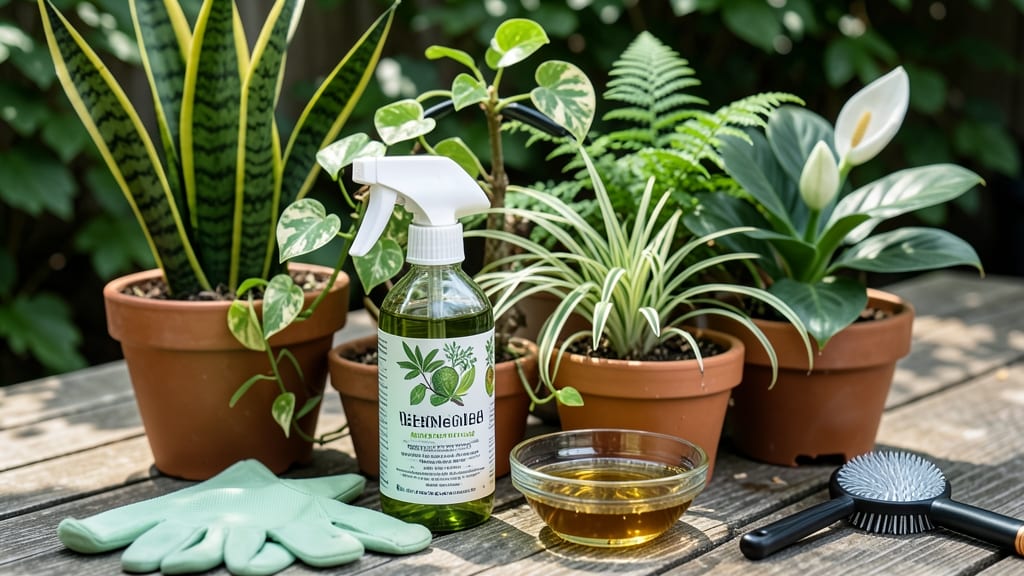
Before bringing plants indoors, spray them with a neem oil solution (1 tsp per quart of water) or insecticidal soap (1.5 tbsp per gallon) to eliminate pests like aphids, spider mites, and whiteflies. For persistent infestations, apply a horticultural oil spray afterward and rinse leaves to prevent residue buildup.
Preventing pests from hitching a ride indoors starts with these targeted sprays. 🌿 Neem oil disrupts insect life cycles by interfering with their growth hormones, while insecticidal soap works by dissolving the protective outer layer of pests.
The key is timing—apply these treatments outdoors in the morning when temperatures are mild, giving the solution time to work before your plants enter your home. This approach not only tackles visible pests but also prevents hidden eggs from developing into new infestations.
For best results, use a fine mist sprayer to ensure even coverage, focusing on both leaf surfaces and stems. Always wear gloves and work in a well-ventilated area to protect yourself from any potential skin irritation or inhalation.
After spraying, quarantine newly brought plants for at least 24 hours in a separate room to monitor for any remaining activity before introducing them to your indoor garden collection.
💡 In This Article
- How Neem Oil and Insecticidal Soap Kill Common Houseplant Pests
- Pre-Indoor Plant Spray Checklist: Tools, Safety, and Application Tips
How neem oil and insecticidal soap kill common houseplant pests
Neem oil works by containing azadirachtin, a natural compound that disrupts insect hormones, preventing larvae from maturing into adults and stopping eggs from hatching. This compound interferes with the pest's ability to molt, effectively halting their life cycle.
For example, when applied to spider mites, azadirachtin causes their exoskeletons to weaken, leading to dehydration and death within 24-48 hours. The oil also acts as a repellent, making plants less appealing to new pests. 🔥
Insecticidal soap, on the other hand, contains fatty acids that break down the protective waxy layer on pest exoskeletons, causing them to dry out and suffocate. This method is particularly effective against soft-bodied insects like aphids and whiteflies, which lack the hard outer shells of beetles or caterpillars.
A 1.5 tbsp per gallon solution creates a concentration strong enough to penetrate these delicate structures while being gentle enough to avoid harming plants. Unlike chemical pesticides, these sprays break down quickly upon contact with water, making them safer for indoor use after proper rinsing.
The timing of application is critical because outdoor pests thrive in warmer temperatures, which accelerate their life cycles. Spraying plants in the early morning (before 10 AM) ensures the solution has time to dry before temperatures rise, preventing potential leaf burn from UV exposure.
This also allows the treatment to work overnight when many pests are most active. For example, whiteflies are nocturnal feeders, so evening application can catch them when they're most vulnerable.
Neem oil is particularly effective against scale insects and mealybugs, which often hide in crevices on stems and undersides of leaves. Its sticky texture helps it cling to these hard-to-reach areas, while insecticidal soap works best on aphids and thrips that feed on leaf surfaces.
The combination creates a layered defense: neem oil disrupts reproduction, while insecticidal soap eliminates existing populations. This dual approach is why gardeners often use both treatments in sequence for comprehensive pest control.
What most people don't realize is that these sprays also help prevent fungal growth that can occur when plants are moved indoors. The antifungal properties of neem oil create an additional protective barrier against mold and mildew, which thrive in the higher humidity levels typical of indoor environments.
For example, bringing in a heavily infested plant can introduce powdery mildew spores that may not be visible to the naked eye, but neem oil's broad-spectrum action helps mitigate this risk.
For stubborn infestations, follow up with a horticultural oil spray (like refined mineral oil) that smothers pests by coating their breathing pores. This three-step process—neem oil, insecticidal soap, then horticultural oil—creates a progressive elimination that targets pests at different life stages.
The key is patience: repeat treatments every 5-7 days for two weeks to break pest life cycles completely before bringing plants indoors permanently. ✨