
Companion Plants
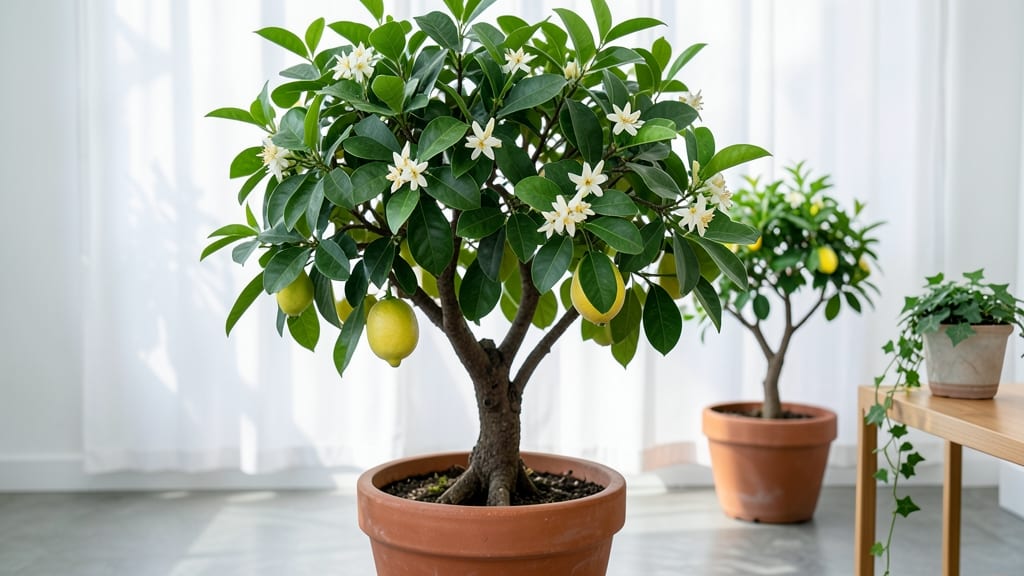
Growing lemon plants indoors lets you enjoy fragrant blooms and zesty fruit without a backyard. 🌿 I’ve had my Meyer lemon tree produce fruit for five winters now, and the key is mimicking its Mediterranean home—bright light, well-draining soil, and patience.
The first year is all about establishing strong roots, but by year two, you’ll see those signature white blossoms and tiny green lemons forming.
The right container is everything—opt for a 12-15 gallon pot with drainage holes to prevent soggy roots, which are the #1 killer of indoor citrus. A sunny south-facing window or a grow light for 6-8 hours daily keeps your plant thriving.
Water when the top inch of soil feels dry, but never let it sit in water. Overwatering is worse than underwatering for these drought-tolerant plants.
By spring of year two, you’ll be rewarded with clusters of fragrant white flowers that smell like spring in a jar. With consistent care, those flowers turn into lemons—small at first, but sweet and perfect for garnishes or marmalade.
The plant stays compact (about 4-5 feet tall), making it ideal for kitchens, sunrooms, or even bright hallways.
Common challenges? Yellow leaves mean overwatering; brown tips mean dry air. A humidifier or pebble tray helps, and a balanced citrus fertilizer every 4-6 weeks in spring and summer keeps them producing.
Pests are rare indoors, but watch for spider mites—just wipe leaves with soapy water if you spot them. With these basics, your indoor lemon tree will outlast store-bought plants by years.
📚 In This Guide
- What you need
- Instructions
- Tips and common mistakes
- Wrapping up and next steps
What you need
- ● Lemon plant (Citrus × limon) – Choose a dwarf variety (e.g., 'Meyer' or 'Improved Meyer') for indoor growing. Start with a 3–6 inch nursery plant or a grafted lemon tree (hardier and more productive).
- ● 10–14 inch pot – Use a container with drainage holes (terracotta or ceramic works best). Opt for a wide, shallow pot to accommodate root spread.
- ● Well-draining potting mix – A blend of 50% cactus/succulent mix, 30% perlite or pumice, and 20% peat moss or coconut coir. Avoid heavy garden soil!
- ● Grow lights or sunny windowsill – Lemon trees need 6–8 hours of bright light daily. A full-spectrum LED grow light (12–15 watts) is ideal if natural light is limited.
- ● Watering can with a narrow spout – Ensures targeted watering without oversaturating the soil.
- ● Fertilizer – A balanced citrus fertilizer (e.g., 6-6-6 or 8-3-9 NPK ratio) or a slow-release granular fertilizer for steady nutrition.
- ● Humidity tray or pebble tray – Lemon trees thrive in 50–70% humidity. Fill a tray with water and pebbles to create a natural humidifier.
- ● Pruning shears – Sharp, clean scissors (sterilize with rubbing alcohol) for shaping and maintaining your plant.
- ● Self-watering pot – Reduces the risk of over/under-watering for busy plant parents.
- ● Citrus food or micronutrients – Boosts vitamin and mineral intake (especially if leaves look pale).
- ● Support stake or trellis – Helps heavier branches stay upright as the plant grows.
- ● Soil moisture meter – Prevents guesswork—water only when the top 1–2 inches of soil are dry.
- ● Misting bottle – Quickly increases humidity on dry days (especially in winter).
- ● Pollination tool – A soft paintbrush or cotton swab to hand-pollinate flowers and encourage fruit.
Step-by-step instructions for growing lemon plants indoors
Here's how to nurture a thriving lemon tree in your home—bright, fragrant, and ready to bear fruit.
🌱 Step 1: Select a Healthy Lemon Tree and Prepare the Pot
Choose a 4-6 month old dwarf Meyer lemon tree from a nursery, as these adapt best to indoor life. I always look for plants with dark green, glossy leaves and no signs of yellowing—those are early warnings of stress. The pot should be 12-14 inches in diameter with drainage holes, as lemon trees hate soggy roots.
Fill the bottom 2 inches with coarse gravel or perlite to create a drainage layer. This prevents water from pooling at the roots, which causes rot. I like to use a well-draining citrus potting mix (not regular garden soil) because it mimics the sandy, rocky soils lemons love in nature. Add enough mix to fill the pot to 1 inch below the rim. Tap the pot gently to settle the soil without compacting it.
☀️ Step 2: Position for Maximum Light and Temperature Stability
Lemon trees need 6-8 hours of bright, direct sunlight daily—a south-facing window is ideal. If natural light is weak, supplement with a full-spectrum LED grow light placed 6-12 inches above the plant for 12-14 hours daily. You'll know the light is right when leaves stay deep green and glossy—pale or yellowing means more light is needed.
Keep the room temperature between 65-75°F during the day and 55-60°F at night. Avoid drafts, including cold windows or heating vents, which cause leaf drop. I place my lemon tree on a stable, heat-resistant stand near the window but away from direct air currents. A humidity tray with pebbles and water beneath the pot helps maintain moisture in dry indoor air.
💧 Step 3: Water Deeply and Maintain Consistent Moisture
Water when the top 1-2 inches of soil feel dry to the touch—stick your finger in to check. Lemon trees prefer even moisture but hate sitting in water. I water deeply until it drains from the bottom, then empty the saucer after 10 minutes to prevent root rot. Overwatering is the #1 killer of indoor citrus, so I always err on the side of slightly drier soil.
In winter, when growth slows, reduce watering to every 7-10 days, checking soil moisture first. Yellowing leaves often signal overwatering, while crispy edges mean the air is too dry. Mist the leaves 2-3 times weekly or place the pot on a humidity tray to combat dry indoor air. A spray bottle works, but avoid wetting the flowers if your tree is blooming.
✂️ Step 4: Prune and Fertilize for Healthy Growth
Prune in early spring to shape the tree and encourage airflow. Use clean, sharp pruning shears to trim back 1/3 of the new growth from the previous season. I focus on removing dead, crossing, or crowded branches while leaving the strongest stems. This prevents disease and makes the tree easier to care for as it grows.
Feed every 4-6 weeks during spring and summer with a balanced citrus fertilizer (10-10-10 or 8-3-9). I dilute the fertilizer to half-strength to avoid burning the roots. In fall and winter, reduce feeding to every 8-10 weeks since growth slows. Over-fertilizing leads to salty soil—flush the pot with water 2-3 times yearly to prevent buildup.
🌿 Step 5: Encourage Blooming and Fruit Set
Lemon trees need cool nights (55-60°F) and warm days (70-75°F) to bloom. If your home stays too warm year-round, mimic seasonal changes by moving the tree to a cooler room (60°F) at night for 4-6 weeks in late winter. This shock triggers flowering. You'll see white, fragrant blossoms appear in 6-8 weeks—a sure sign your tree is happy.
To help fruit set, hand-pollinate flowers with a soft paintbrush, transferring pollen from one bloom to another. Thin developing fruit to 3-5 per branch in early summer—overloading the tree weakens growth. Harvest lemons when they turn bright yellow and feel slightly soft to the touch. With patience, your indoor lemon tree can produce 20-30 small fruits yearly in ideal conditions.
Tips & tricks for perfect indoor lemon tree cultivation
Here's what I've learned from years of keeping my Meyer lemon tree thriving indoors—these are the details that make all the difference.
Lighting Strategy: The 6-8 hours of direct sunlight is non-negotiable, but here's the trick: if your windows aren't south-facing, use a reflective surface like aluminum foil behind the pot to maximize light exposure. For grow lights, I position mine 8-10 inches above the tree during winter months when natural light is weakest. The key is consistency—rotate your plant quarter-turns weekly so all sides get even exposure. Uneven light causes lopsided growth, and you'll notice leaves stretching toward the light source.
Temperature Transition: That 4-6 week cool night treatment in late winter is your secret weapon for blooming. I use a thermometer in the room to monitor nighttime temps—anything below 55°F can shock the plant, while above 60°F defeats the purpose. Place your tree near a closed but not sealed window where cool air circulates naturally. If your home stays too warm year-round, consider a small portable AC unit set to 60°F just for those nights. The fragrance from the blossoms that follow is worth the effort!
Pruning Precision: When you're trimming back that 1/3 of new growth in Step 4, focus on creating an open center that allows air circulation. I make cuts just above a leaf node at a 45-degree angle to prevent water from pooling. After pruning, wipe your shears with rubbing alcohol to sterilize between cuts—this prevents bacterial infections that can spread through open wounds. The goal is to shape the tree while encouraging stronger, more productive branches.
Fertilizer Timing: That 4-6 week feeding schedule in spring/summer is perfect, but here's the pro move: I always water the tree first before applying fertilizer. This prevents root burn from the concentrated nutrients. I also mix my fertilizer with a bit of Epsom salt (1 teaspoon per gallon of water) every other feeding—this provides magnesium that citrus trees love, and you'll see it in the vibrant green color of new growth. Just remember to flush the soil every 3 months to prevent salt buildup from either fertilizer or tap water minerals.
Pro Tips for Growing Lemon Plants Indoors
- Here's what I've learned from years of keeping my Meyer lemon tree thriving indoors—these are the details that make all the difference.
- Lighting Strategy: The 6-8 hours of direct sunlight is non-negotiable, but here's the trick: if your windows aren't south-facing, use a reflective surface like aluminum foil behind the pot to maximize light exposure.
- Temperature Transition: That 4-6 week cool night treatment in late winter is your secret weapon for blooming.
Frequently asked questions
Got questions about keeping your indoor lemon tree thriving? Here are some of the most common ones—plus straightforward answers to help you grow confidently!
Can I grow a lemon tree indoors from seed?
While possible, growing from seed takes years to bear fruit—often 5+ years! For faster results, opt for a grafted dwarf variety (like Meyer lemon) from a nursery. Seeds may produce lemons, but they’re usually tart and less reliable. Patience is key if you choose this route!
How long does it take for an indoor lemon tree to bear fruit?
With proper care, dwarf varieties can produce lemons in 2–4 years, while standard trees may take 5+ years. Factors like light (6+ hours of bright, indirect sun), humidity, and consistent watering speed up fruiting. Pro tip: Use a grow light in winter to maintain growth!
Why are my lemon tree leaves turning yellow?
Yellow leaves usually signal overwatering or nutrient deficiency. Check soil moisture—it should dry slightly between waterings. Also, flush the soil with water to remove excess salts. Feed with a citrus-specific fertilizer every 2–3 months. Bonus: Yellow edges? It might need more humidity!
What’s the best light source for indoor lemon trees?
A south- or west-facing window with 6+ hours of sunlight is ideal. If natural light is lacking, use a full-spectrum LED grow light (12–16 hours/day). Avoid harsh direct sun, which can scorch leaves. Rotate the pot monthly for even growth. Pro tip: Place near a bathroom window for extra humidity!
Can I grow other citrus trees indoors (like oranges or limes)?
Meyer lemon, calamondin, and dwarf orange trees
thrive indoors with similar care. Calamondin is especially beginner-friendly—it’s cold-hardy and produces tiny, tart-sweet fruit. Just ensure they get enough light and space (citrus trees can grow 3–6 feet tall indoors).
Wrapping up and next steps
Growing lemon plants indoors is a rewarding journey that brings fresh citrus to your kitchen and vibrant blooms to your space—no green thumb required! 🌱 With the right container, sunlight, and care, you’ll enjoy homegrown lemons in just a few years.
Now that you’re armed with tips and troubleshooting advice, why not take the next step?
🌟 Ready to Start?
- Pick your plant: Visit a local nursery or order a dwarf Meyer lemon tree online.
- Gear up: Grab the supplies from our materials list and get ready to nurture.
- Plant and thrive: Follow the steps, and soon you’ll be harvesting lemons for homemade treats!
Your indoor citrus adventure starts today—let’s make it happen! 🍋✨