
Container Gardens
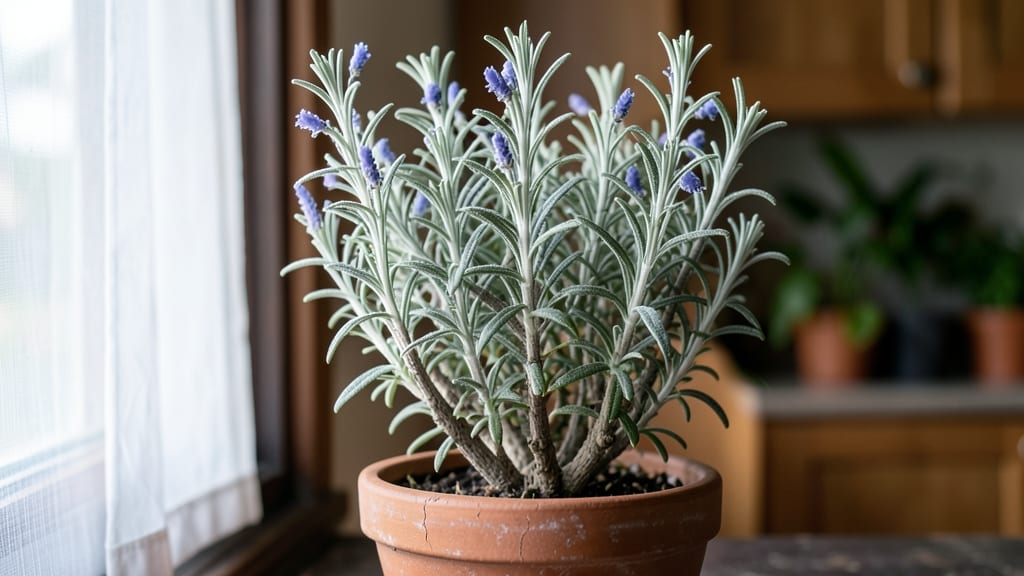
Growing rosemary indoors means fresh, fragrant sprigs for cooking anytime—no greenhouse required. 🌿 My kitchen windowsill now hosts a thriving rosemary plant that smells like a Mediterranean holiday, and it only needs a few hours of light daily.
The secret lies in mimicking its natural Mediterranean habitat with just the right pot, soil, and watering routine.
Start with a 6-inch pot (rosemary hates soggy roots) filled with well-draining cactus or succulent mix. A sunny windowsill or a basic grow light for 4-6 hours keeps it happy—even in low-light apartments.
Water only when the top inch of soil feels dry, and use a saucer to catch excess moisture (rosemary despises wet feet).
Pruning every few months encourages bushier growth, and harvesting sprigs regularly keeps it compact and productive. The air will smell like a fresh-baked loaf (okay, fine, it’s almost like that), and your cooking will never lack that signature piney aroma. Plus, it purifies the air—win-win.
Leggy growth? It’s just asking for more light. Yellow leaves? Too much water. With these tweaks, your rosemary will thrive year-round, proving that even minimal light can grow a fragrant, culinary powerhouse.
📚 In This Guide
- What you need
- Instructions
- Tips and common mistakes
- Wrapping up and next steps
What you need
- ● Rosemary plant: Start with a healthy Rosmarinus officinalis (choose a dwarf variety like 'Blue Spires' or 'Prostratus' for indoor spaces). Quantity: 1 (or more if you’re gifting!).
- ● Container: A pot with drainage holes (5–7 inches in diameter for one plant). Material: Terracotta, ceramic, or fabric (avoid plastic if possible).
- ● Well-draining potting mix: A blend of cactus/succulent mix (60%) + perlite or coarse sand (40%). Quantity: Enough to fill the pot (about 2–3 gallons per plant).
- ● Drainage tray or saucer: To catch excess water and prevent root rot.
- ● Watering can with a narrow spout: For precise watering (avoid overhead spray).
- ● Pruning shears: Sharp, clean pair for trimming (sterilize with rubbing alcohol).
- ● Grow lights: LED or fluorescent (12–14 hours/day) if natural light is Wattage: 15–20W per plant.
- ● Humidity tray: A shallow tray with pebbles and water to boost air moisture (especially in dry climates).
- ● Slow-release fertilizer: Balanced (10-10-10) or organic (fish emulsion) for occasional feeding. Frequency: Every 2–3 months.
- ● Support stake: For tall varieties (e.g., bamboo stake or small trellis).
Step-by-step instructions for growing rosemary indoors
Here’s how to cultivate a thriving rosemary plant indoors—no greenhouse required.
🪴 Step 1: Choose the Right Container and Soil
Rosemary thrives in well-draining soil and containers with drainage holes. I use a 6-inch terracotta pot for each plant—its porous walls help regulate moisture. Avoid plastic pots, which trap excess humidity and encourage root rot. Fill the container with a mix of one part potting soil to one part perlite or coarse sand to ensure aeration.
Press the soil down lightly until it’s firm but not compacted. Rosemary roots need room to breathe, so don’t tamp it down too hard. A loose, crumbly texture mimics its Mediterranean native soil and prevents waterlogging. If your soil mix feels dense, add a handful of orchid bark for extra drainage.
🌱 Step 2: Plant and Water Properly
Dig a hole in the center of the pot deep enough to accommodate the rosemary’s root ball. Gently remove the plant from its nursery pot and place it in the hole, ensuring the top of the root ball sits ½ inch below the soil line. This prevents stem rot from moisture pooling at the base.
Water the plant thoroughly until water drains freely from the bottom holes. Let it drain completely—rosemary hates soggy roots. After the initial watering, wait until the top inch of soil feels dry to the touch before watering again. Overwatering is the fastest way to kill an indoor rosemary, so err on the side of underwatering.
☀️ Step 3: Position for Optimal Light
Rosemary needs 6-8 hours of direct sunlight daily, but it tolerates lower light better than most herbs. Place your pot near a south- or west-facing window for the brightest exposure. If natural light is limited, supplement with a grow light positioned 6-12 inches above the plant for 12-14 hours daily.
Rotate the pot a quarter turn weekly to encourage even growth. You’ll notice leggy stems reaching toward the light if it’s insufficient. If leaves start yellowing or falling, move the plant closer to the light source or increase the grow light’s intensity. Avoid drafty spots—rosemary dislikes sudden temperature shifts.
✂️ Step 4: Prune and Maintain for Bushier Growth
Pinch back the tips of new growth when the plant reaches 6-8 inches tall to encourage branching. Use clean, sharp scissors to trim just above a leaf node. This step is crucial—without pruning, rosemary grows tall and woody with sparse foliage. I prune mine every 4-6 weeks during the growing season to keep it compact and lush.
Harvest sprigs regularly by cutting just above a set of leaves. This stimulates new growth and keeps the plant bushy. Avoid cutting more than ⅓ of the plant at once, or it may struggle to recover. After harvesting, water lightly to help the plant bounce back. Use harvested sprigs in cooking or dry them for long-term storage.
💧 Step 5: Monitor and Adjust Care Seasonally
In winter, rosemary’s growth slows, so reduce watering to every 10-14 days unless the soil feels dry. Keep the plant in the brightest spot available, as daylight hours shorten. If leaves turn brown or crispy, it’s a sign of low humidity—mist the plant occasionally or place a tray of water nearby to boost moisture.
Fertilize lightly once in early spring with a balanced, water-soluble fertilizer diluted to half strength. Over-fertilizing leads to soft, leggy growth. Watch for pests like spider mites, which thrive in dry indoor air. Wipe leaves with a damp cloth weekly to prevent infestations and keep the plant healthy.
Tips & tricks for perfect indoor rosemary growth
These insider tricks will help you grow a thriving rosemary plant that stays fragrant and healthy year-round, even with limited light.
Container Selection: While the instructions recommend a 6-inch terracotta pot, you can also use fabric grow bags for even better drainage. These breathable containers prevent root suffocation and mimic rosemary's natural Mediterranean environment. If using a different material, ensure it has drainage holes—no exceptions! I've seen rosemary plants thrive in unglazed ceramic pots too, as long as they're not sealed.
Soil Mix Upgrade: The one-part potting soil to one-part perlite ratio is perfect, but for an extra boost, mix in 10% worm castings by volume. This adds beneficial microbes that improve root health and nutrient uptake. If you don't have worm castings, a handful of orchid bark works just as well to prevent compaction. The key is maintaining that loose, airy texture—think "fluffy" rather than "packed."
Light Optimization: For those 6-8 hours of direct sunlight, position your rosemary near a window with east-facing exposure if possible—morning sun is gentler and prevents leaf scorch. If using grow lights, opt for full-spectrum LED bulbs rather than basic white lights. They mimic natural sunlight more closely and encourage healthier growth. I've found that 14 hours of grow light works better than the minimum 12-14 hours when natural light is limited.
Pruning Secrets: When you reach the 6-8 inch height for pinching, focus on removing the top set of leaves rather than just the stem. This encourages bushier growth from multiple nodes. For harvesting, always cut just above a leaf node where new growth emerges—this prevents unsightly stubs. I harvest mine every 3-4 weeks during peak growing months, which keeps the plant compact and encourages continuous new growth.
Pro Tips for Growing Rosemary Indoors
- These insider tricks will help you grow a thriving rosemary plant that stays fragrant and healthy year-round, even with limited light.
- Container Selection: While the instructions recommend a 6-inch terracotta pot, you can also use fabric grow bags for even better drainage.
- Soil Mix Upgrade: The one-part potting soil to one-part perlite ratio is perfect, but for an extra boost, mix in 10% worm castings by volume.
Frequently asked questions
Got questions about growing rosemary indoors?
Here are answers to the most common ones—so you can enjoy fresh, fragrant herbs without the fuss!
Can rosemary grow indoors without sunlight?
Rosemary thrives on bright light, but it can survive with 4–6 hours of indirect sunlight daily (e.g., near a south-facing window). If natural light is lacking, supplement with a grow light (12–16 hours/day) to prevent leggy growth. Avoid dark corners—rosemary is drought-tolerant but not shade-loving!
How often should I water indoor rosemary?
Water only when the top inch of soil is dry—usually every 2–3 weeks (less in winter). Overwatering is the #1 killer! Use a pot with drainage holes and a well-draining soil mix (like cactus/succulent blend). Yellow leaves = overwatering; crispy edges = underwatering. Stick your finger in the soil to check!
Why is my indoor rosemary turning brown?
Brown tips or edges usually mean low humidity or fluoride in tap water. Try these fixes:
- Place the pot on a pebble tray with water (not touching the soil).
- Use filtered or distilled water to water.
- Trim browned areas with clean scissors to encourage new growth.
Does rosemary need cold weather to thrive indoors?
Nope! Rosemary is evergreen and doesn’t need cold periods to stay alive. However, it does appreciate a cool, draft-free spot (60–75°F) in winter. Avoid heating vents or AC blasts, which dry out the air. A windowsill with gentle breezes (but no frost) is ideal year-round.
Can I grow rosemary from store-bought stems?
Snip a 4–6 inch stem with healthy leaves, remove lower foliage, and place it in water or moist soil. Keep it in bright, indirect light and change the water every 3–4 days. Roots should appear in 2–4 weeks. Once rooted, transplant to a pot with well-draining soil. Pro tip: Dip the cut end in rooting hormone for faster success!
What’s the easiest way to keep rosemary bushy indoors?
Prune regularly to encourage full, compact growth! Trim back leggy stems by 1/3 in spring and after harvest. Pinch off the top sets of leaves to promote branching. Avoid heavy pruning in winter—rosemary grows slower then. Bonus: Use the trimmings in cooking or tea!
Wrapping up and next steps
Growing rosemary indoors is easier than you think—just a sunny windowsill, a little patience, and a dash of care can turn your kitchen into a fragrant herb haven! 🌿 With minimal light needs and low maintenance, this versatile herb thrives year-round, offering fresh flavors for cooking and natural remedies for your home.
Whether you’re a beginner or a seasoned plant parent, your rosemary plant is just a few steps away.
Ready to dive in? Start by gathering your supplies, pick the perfect pot, and give your rosemary the love it deserves. Before you know it, you’ll be harvesting fresh sprigs for your favorite dishes—no grocery store required! 🍽️