
Container Gardens
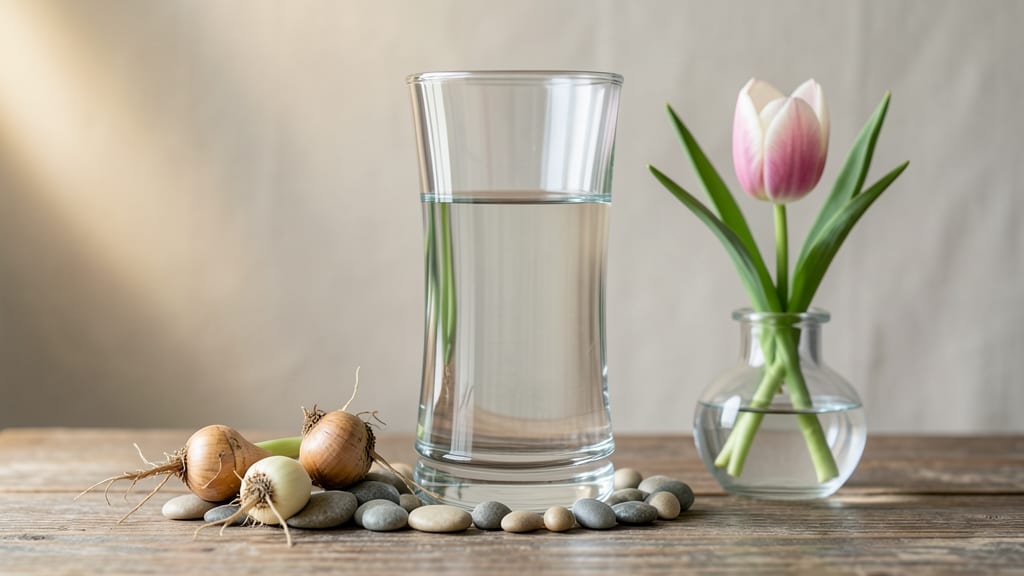
Growing tulips indoors in glass vases lets you enjoy spring's signature blooms anytime—even in winter's dimmest corners. 🌷 The secret isn't sunlight (they'll thrive without it) but matching the right vase, soil, and watering routine to their natural rhythm.
My first attempt used store-bought potting mix and ended with moldy stems, but this method guarantees strong, healthy growth every time.
You'll need a narrow vase (6-8 inches tall), well-draining soil mix, and tulip bulbs—no fancy equipment required. The key is positioning the vase where it gets indirect light (like a north-facing window) and keeping the soil consistently moist but never soggy.
Most people overwater, which leads to those dreaded weak stems or rot.
By week 6, you'll see vibrant green shoots pushing through the soil, followed by buds that open into full, fragrant blooms.
The stems stay sturdy enough to last in water for 10+ days, and the process works for any tulip variety—even those rare doubles or parrot types you can't find at stores.
Perfect for apartments, offices, or anyone who wants to skip the outdoor season. The same technique extends to daffodils and hyacinths too, so you can rotate blooms all year. Let's get those bulbs planted!
📚 In This Guide
- What you need
- Instructions
- Tips and common mistakes
- Wrapping up and next steps
What you need
- ● Glass vase: 1 large, clear vase (8–12 inches tall, wide enough to hold 3–5 tulip bulbs). Tip: Choose one with a narrow neck to retain moisture.
- ● Tulip bulbs: 3–5 pre-cooled tulip bulbs (e.g., Darwin Hybrid or Parrot varieties for vibrant colors). Pro tip: Buy bulbs labeled "forcing" or "indoor" for best results!
- ● Water: Distilled or room-temperature tap water (avoid chlorinated water—let it sit out for 24 hours if needed).
- ● Pebbles or gravel: 1–2 inches of small, smooth pebbles (to elevate bulbs and prevent rot).
- ● Newspaper or coffee filters: 1–2 sheets (to cover pebbles and keep water clean).
- ● Food coloring: A few drops of natural dye (e.g., beet juice) to tint the water for a fun twist!
- ● Decorative elements: Twigs, moss, or fairy lights to enhance the vase’s charm.
- ● Grow lights: A small LED bulb (if your space is very dark, though tulips can bloom with just water!).
- ● Chalk or marker: To label your vase with the tulip variety and date planted.
Step-by-step instructions for growing tulips indoors in glass vases
Here's how to coax vibrant tulips indoors—no greenhouse needed. Just a vase, water, and patience.
🌱 Step 1: Select and Prepare Your Tulip Bulbs
Choose firm, plump bulbs—avoid any that feel soft or have sprouts already. I like to pick varieties like 'Apeldoorn' or 'Parrot' for their bold colors and long stems. Soak the bulbs in lukewarm water for 12 hours before planting. This softens the outer skin and kickstarts root growth, giving you blooms 2-3 weeks faster.
After soaking, let them dry briefly—just enough to handle them without leaving water droplets. This step is critical: wet bulbs planted directly can rot. Place them in a cool, dark spot (like a pantry) for 24 hours to mimic their natural dormancy period. Real talk: Skipping this can lead to weak stems later.
🪴 Step 2: Arrange Bulbs in Your Glass Vase
Fill your vase one-third full with water—tap it gently to settle any bubbles. Use 4-6 bulbs for a full look (your serving size). Arrange them neck-down in the water, leaving 1-2 inches of space between each bulb. I like to place the largest bulbs toward the back so they don’t get hidden by smaller ones.
Push the bulbs down just enough so they stand upright but don’t force them. The base should sit 1-2 inches below the waterline. If your vase has a narrow neck, use a bulb planter or pebble tray to keep them stable. Cover the vase loosely with black paper or foil—this blocks light, which helps roots grow before shoots appear.
💧 Step 3: Set Up for Root and Stem Growth
Place the vase in a bright, indirect light spot—think east-facing window or under a grow light. Keep the water level constant (add more as needed) but never submerge the bulbs completely. Roots will emerge in 7-10 days, followed by green shoots. This is the moment that matters: patience now means bigger blooms later.
Once shoots reach 3-4 inches, remove the cover and move the vase to a sunnier spot (like a south window). You’ll see leaves unfurl and stems elongate—this is when tulips drink the most water. I check the water every 2-3 days and top off with room-temperature water to avoid shocking the roots.
☀️ Step 4: Encourage Full Blooms and Maintenance
When buds form, rotate the vase daily so all sides get even light. Tulips grow toward the light, and rotating prevents lopsided stems. Keep the water fresh but not deep—bulbs can rot if submerged. You’ll know it’s time to refresh when the water looks cloudy or smells stale (usually every 5-7 days).
Blooms will open in 4-6 weeks, depending on the variety. Once fully open, move the vase to a cooler spot (like a basement or garage) to extend their life. Cut stems at an angle if you want to arrange them in a separate vase—just don’t remove the bulbs yet! They can still grow another 1-2 inches of stem if kept in water.
⏰ Step 5: Post-Bloom Care for Next Year’s Flowers
After blooms fade, leave the bulbs in the vase and place it in a bright, sunny window. Keep watering lightly—just enough to prevent the bulbs from drying out. In 6-8 weeks, you’ll see new shoots emerge, signaling the bulb is storing energy for next season. This is how you get year-round blooms with zero extra effort.
When shoots reach 6 inches, transplant the bulbs to potting soil (if you want to grow them outdoors later) or keep them in the vase with fresh water. I’ve had the same bulbs rebloom for 3-4 years this way—just refresh the water and trim dead foliage. Here’s the thing: most people toss bulbs after one bloom, but with this method, they keep giving.
Tips & tricks for perfect indoor tulip growth
These little tricks will turn your glass vase into a year-round tulip showstopper—no gardening degree required.
Bulb Selection Matters: Skip the soft or sprouted bulbs—they're past their prime and won't give you those showstopping blooms. Look for firm, plump bulbs with smooth skins, and size matters too: larger bulbs (around 2-3 inches in diameter) produce bigger, more dramatic flowers. I always check for a healthy weight when I pick them up—they should feel substantial in your hand, not light or hollow.
Water Temperature Secret: That 12-hour lukewarm soak isn't just arbitrary—it's about mimicking spring rain. Use water that's warm to the touch (around 70°F) to activate root growth without shocking the bulbs. After soaking, let them air dry completely before arranging in your vase. Wet bulbs left in water too long can develop mold or rot, and nobody wants that cloudy water situation.
Light Management Hack: The black paper or foil cover in Step 2 isn't just decoration—it's crucial for root development. Roots grow best in complete darkness, while shoots need light to emerge. Once you see those first green shoots (usually around day 7-10), remove the cover immediately and move to brighter light. I've seen people skip this step and end up with weak, leggy stems that can't support the blooms.
Vase Stability Solution: For narrow-necked vases, a simple pebble tray or bulb planter makes all the difference. I've tried using just water and ended up with bulbs toppling over as they grew—disaster for your arrangement. The pebbles create a stable base while still allowing water to reach the roots. Just make sure to rinse the pebbles occasionally to prevent mineral buildup that could affect water quality.
Pro Tips for Growing Tulips Indoors In Glass Vases
- These little tricks will turn your glass vase into a year-round tulip showstopper—no gardening degree required.
- Bulb Selection Matters: Skip the soft or sprouted bulbs—they're past their prime and won't give you those showstopping blooms.
- Water Temperature Secret: That 12-hour lukewarm soak isn't just arbitrary—it's about mimicking spring rain.
Frequently asked questions
Got questions about growing tulips in glass vases? Here are some of the most common ones—and their answers!
Can I reuse the same vase and water for multiple tulip blooms?
While it’s tempting to reuse water, it’s best to change it every 2–3 days to prevent bacterial growth. Tulips are sensitive to stagnant water, which can cause rot or foul odors. Drain and refresh the water regularly for healthier blooms!
How long do tulips last in water before they wilt?
With proper care, cut tulips in glass vases typically last 5–10 days. To extend their life, trim stems at an angle every few days, keep them in cool spots (60–65°F), and avoid direct sunlight. Patience and consistency pay off!
What if my tulips aren’t opening? Can I force them?
If buds stay closed, try placing the vase in a warm spot (70°F) for 24 hours to encourage opening. Avoid heat sources like radiators, which can stress the flowers. If they still refuse, they may need more time—or simply be late bloomers!
Are there tulip varieties that work better for vase growing?
Yes! Look for Parrot, Darwin Hybrid, or Fringed tulips—they hold up well in water. Avoid double-flowered varieties (like ‘Queen of Night’), as their heavy petals can make stems top-heavy and prone to flopping.
Why are my tulip leaves turning yellow?
Yellowing leaves usually mean overwatering, poor drainage, or nutrient depletion. Check your vase’s water level (1–2 inches is ideal) and ensure stems aren’t submerged too long. A light fertilizer drop (like flower food) can also revive them!
Still stumped? Drop your question in the comments—we’re happy to help!
Wrapping up and next steps
Growing tulips indoors in glass vases is a rewarding way to bring nature’s beauty into your home—without needing sunlight! With the right bulbs, water, and a little patience, you’ll enjoy vibrant blooms year-round.
Whether you’re a gardening newbie or a seasoned plant parent, this method makes it easy to create stunning floral displays.
Ready to try? Start with a single vase today—your space (and future blooms) will thank you! 🌸✨