
Plants
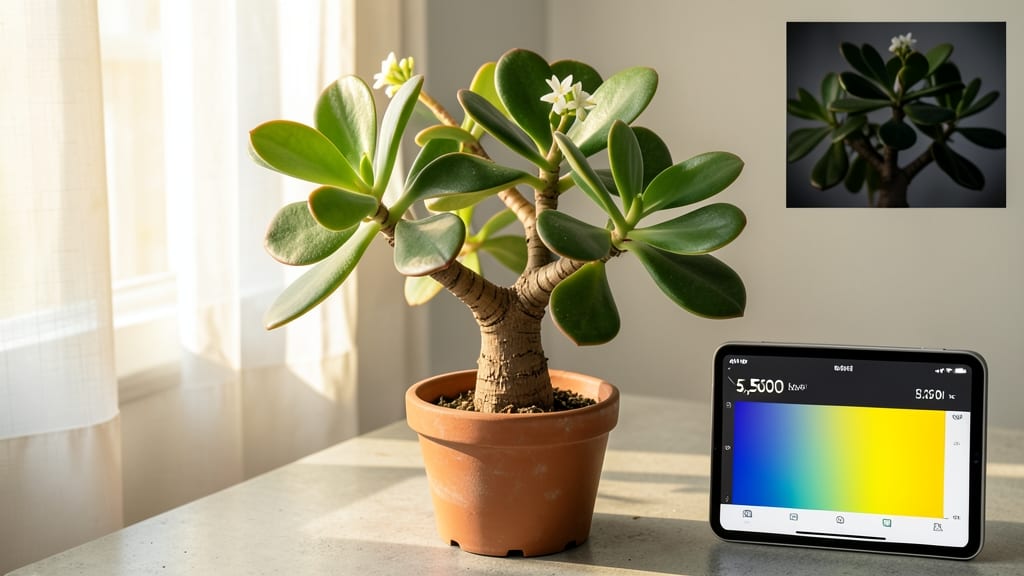
A jade plant needs how much light does a jade plant need indoors—about 3–4 hours of direct sunlight indoors to thrive—less than you might think for a succulent, but the right balance keeps it plump and vibrant.
Struggling to keep your jade plant alive indoors? The secret isn’t in the watering—it’s in the light. Too little sun, and your plant will stretch weakly; too much, and it risks scorching. Here’s the exact lighting formula your 🌿 jade plant craves to thrive with minimal fuss.
Most beginners assume bright indirect light is enough, but jade plants actually prefer a mix of direct morning sun and filtered afternoon light. A south-facing window is ideal, but east or west works too—just watch for signs like pale leaves or crispy edges.
Below, I’ll break down the best window spots, how to spot light issues early, and what to do if your home lacks natural light. No guesswork—just a foolproof way to keep your jade plant happy year-round.

Optimal light requirements for jade plants: 3-4 hours of direct sunlight explained
Your jade plant thrives with 3-4 hours of direct sunlight daily, but finding the perfect spot indoors can feel like solving a puzzle. These succulents originate from sunny South African cliffs, so they crave bright, filtered light—not the dim corners most houseplants tolerate.
Without enough light, they’ll stretch awkwardly toward windows, while too much can scorch their thick, waxy leaves.
The key is positioning your plant near a south-facing window, where it gets the most consistent sunlight. East or west windows work too, but you’ll need to rotate the plant weekly to ensure even growth. North-facing windows? Forget it—your jade will become a sad, leggy shadow of its potential.
Here’s the golden rule: morning sun is safer than afternoon heat. If your window gets intense afternoon rays, place your jade 2-3 feet back from the glass to avoid leaf burn. Think of it like sunscreen for plants—just enough to keep them happy without frying them.
Seasonal changes throw a wrench into your jade plant’s light routine. In summer, when days are long, your plant might get too much sun—especially if you’re using a south-facing window.
Watch for leaf burn (white or yellow patches) and adjust by moving it back or using a sheer curtain to diffuse the light.
Winter is trickier because shorter days mean less natural light. If your jade starts looking leggy or sparse, supplement with a grow light (LED or fluorescent) for 4-6 hours daily.
Place the light 6-12 inches above the plant and keep it on a timer to mimic daylight. Rotate the plant weekly so it doesn’t grow lopsided.
Pro tip: Rotate your jade plant every 2-3 weeks to ensure even light exposure on all sides. Plants grow toward the light source, so if one side gets more sun, it’ll stretch unevenly. This simple habit keeps your jade compact and bushy—no more lopsided succulents!
Even with perfect light, your jade plant will tell you if something’s off. Etiolation (long, weak stems) means it’s starving for light, while yellow or brown leaf tips signal too much sun or overwatering. Pay attention to these cues—they’re your plant’s way of communicating!
Remember, jade plants are drought-tolerant but light-hungry. If you’re unsure whether your spot is bright enough, try the shadow test: Hold a piece of paper near your plant during the day. If the shadow is faint, it’s not getting enough light. If it’s sharp and dark, you’re golden.
With the right light, your jade plant will reward you with thick, glossy leaves and a sturdy, compact shape. It’s not just about survival—it’s about helping your plant thrive like it would in its natural habitat.
Start with a south-facing window, adjust as needed, and soon you’ll have a jade plant that’s the envy of every plant lover. 🌿
How to adjust indoor lighting for jade plants in low-light spaces
If your jade plant is stretching toward the window like a sleepy cat reaching for sunlight, your space likely lacks sufficient light. Jade plants (Crassula ovata) thrive with 4-6 hours of direct sunlight daily, but low-light apartments can still support them with the right adjustments.
The key is mimicking natural light intensity using artificial sources and smart placement tricks.
Before investing in fancy grow lights, check your current setup. Place your jade plant near a west-facing window for gentle afternoon sun or an east-facing window for morning light—both work better than north-facing windows.
If your space gets minimal natural light, artificial solutions become essential to prevent etiolation (those sad, stretched stems).
Lighting Solutions for Jade Plants in Low-Light Spaces
- Full-spectrum 6400K-6500K color temp
- Energy-efficient, low heat output
- Adjustable 12-16 hour photoperiod
- Budget-friendly, cool light
- Best for supplemental lighting (not primary)
- Replace every 12-18 months
- Use white walls or mirrors
- Doubles light exposure near windows
- Zero cost, instant setup
- Expose all sides to light source
- Prevents crooked growth
- Quarter-turn every 1-2 weeks
For artificial lighting, LED grow lights are the gold standard—they’re energy-efficient and mimic sunlight’s spectrum. Place them 6-12 inches above your jade plant and run them for 12-14 hours daily to compensate for short winter days.
Fluorescent bulbs work too, but they’re less efficient and may not provide enough intensity for long-term health.
Don’t overlook DIY hacks like rotating your plant weekly to ensure even growth. Place a white board or foil behind your plant near a window to bounce extra light toward its leaves.
Even a south-facing window with sheer curtains can work if you supplement with a 10-15 watt LED bulb 12 inches away for 4-6 hours.
Monitor your jade plant’s response: Dark green leaves mean it’s happy, while yellowing or reddening signals too much light. If stems stretch excessively, it’s begging for more brightness. Use a $20 light meter (available online) to check intensity—aim for 1,000-2,000 lux during the plant’s active hours.
With these adjustments, your jade plant can thrive even in dim spaces. Start with one solution, observe its response, and tweak as needed. Patience and consistency are key—your plant will thank you with thick, glossy leaves and sturdy growth. 🌿