
Plants
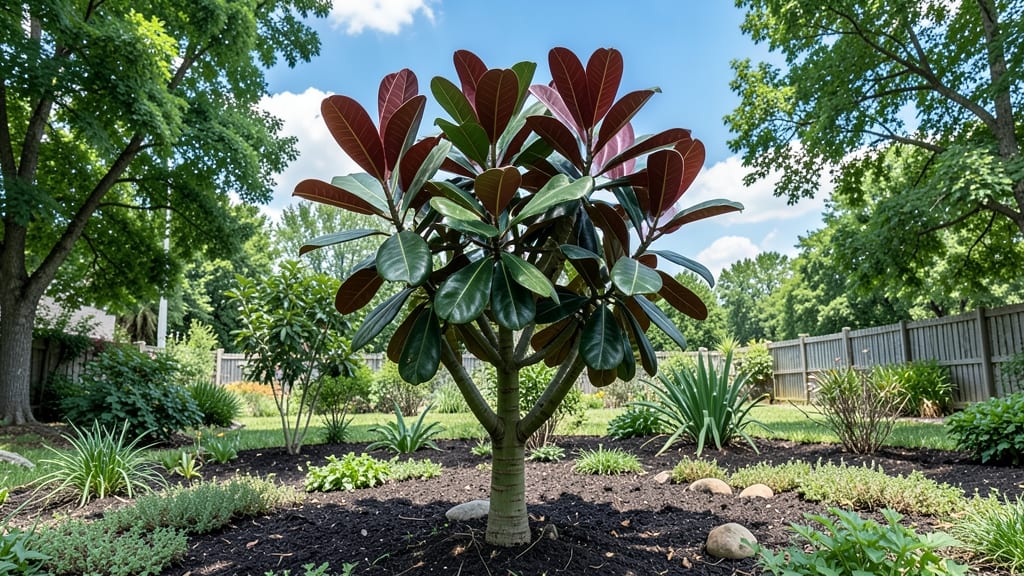
A rubber plant needs bright indirect light for 4-6 hours daily to thrive indoors, but many growers overlook the subtle differences between "bright" and "direct" — and that’s why leaves yellow or stretch.
Struggling to keep your rubber plant alive indoors? The secret might be simpler than you think—light exposure is the key to its survival and thriving, even in small spaces. Too little light, and it stretches for the sun; too much, and the leaves crisp.
Finding that perfect balance is easier than you’d expect, and I’ll show you exactly how.
This low-maintenance plant loves east or north-facing windows, where it gets gentle morning light without harsh afternoon rays. If your space is dimmer, don’t panic — we’ll cover how to supplement with grow lights and spot the early warning signs before damage sets in.
By the end, you’ll know exactly where to place your 🌿 rubber plant for lush, glossy leaves year-round, plus how to adjust as seasons change. No guesswork, just thriving foliage.

Optimal light requirements for rubber plants indoors: low to bright indirect light explained
Your rubber plant (Ficus elastica) thrives on bright indirect light, making it perfect for most indoor spaces. Unlike sun-loving plants, it avoids harsh rays that cause leaf burn. The key is finding that sweet spot where it gets enough light to grow but stays comfortable without stress.
Rubber plants are incredibly adaptable, tolerating low to bright indirect light. This flexibility means they can survive in east-facing windows, west-facing windows with filtered light, or even north-facing windows where light is softer. The trick is observing their leaves for subtle cues about their happiness.
Here’s the breakdown of what your rubber plant needs to thrive—from light intensity to placement tips—plus how to spot when it’s not getting enough (or too much) light.
| Light Condition | Ideal Placement | Signs of Stress | Care Adjustments |
|---|---|---|---|
| Low Light (10-20% brightness) | North-facing windows, 5+ feet from window | Slow growth, yellowing leaves, leggy stems | Rotate plant weekly, use grow lights 12 hrs/day |
| Medium Light (20-40% brightness) | East/west windows, 2-3 feet away | Healthy green leaves, steady growth | Minimal care, occasional leaf dusting |
| Bright Indirect (40-60% brightness) | South-facing windows with sheer curtain | Dark green leaves, thick stems, glossy foliage | Prune leggy growth, fertilize spring/summer |
| Direct Sun (70%+ brightness) | South windows without protection | Brown leaf tips, crispy edges, wilting | Move to indirect light, increase humidity |
Rubber plants in low-light conditions often show their discomfort first through yellowing leaves or stunted growth. If you notice your plant stretching toward the light (a condition called etiolation), it’s begging for more brightness. Simply rotating the pot quarter-turns weekly ensures even growth and prevents lopsided development.
On the flip side, overlighting reveals itself through brown leaf tips or bleached patches. Direct sunlight, especially from south-facing windows, can scorch leaves within days. If this happens, move your rubber plant 3-4 feet away or use a light-filtering curtain to diffuse harsh rays.
For variegated rubber plants, which have creamy or pink stripes, the light needs are slightly higher. These varieties require bright indirect light to maintain their striking patterns. Without enough light, the variegation fades to plain green, and the plant loses its visual appeal.
Pro tip: Test your space’s light levels using a light meter app (many free options exist). Aim for 1,000-2,000 foot-candles of light—this range keeps your rubber plant happy without risking stress. If your home falls short, supplement with a LED grow light placed 12-18 inches above the plant.
Pay attention to your rubber plant’s growth rate and leaf texture—these are the best indicators of whether it’s getting the right amount of light. A thriving rubber plant should have dark green, glossy leaves and grow 6-12 inches per year.
If it’s slower or sicker-looking, adjust its spot immediately.
Remember, rubber plants are low-maintenance champions when it comes to light. With the right placement—whether near an east-facing window or under a grow light—you’ll enjoy a lush, leafy friend for years to come. 🌿
How to adjust your home’s lighting for a thriving rubber plant: solutions for different light conditions
If your rubber plant is struggling, the issue might be insufficient light or poor lighting conditions. Rubber plants (Ficus elastica) thrive in bright indirect light, but they can adapt to lower light with adjustments.
The key is understanding how to optimize your space without causing stress or leaf burn.
Most homes have three common light scenarios: low-light apartments, bright indirect light from windows, or harsh direct sun. Each requires a different approach to keep your rubber plant happy. Let’s explore how to adjust your home’s lighting for the best results.
⚠️ How Much Light Does a Rubber Plant Need Indoors?
Rubber plants need 4-6 hours of bright indirect light daily. In low light, they’ll grow slowly with small, pale leaves. Too much direct sun causes brown leaf tips or scorch marks. The ideal spot is 2-3 feet from an east or north-facing window.
Signs of poor lighting:
- Yellow leaves (underlighting)
- Brown patches (sunburn)
- Stunted growth (insufficient light)
For low-light apartments, place your rubber plant near the brightest window available, even if it’s a north-facing one. If natural light is minimal, consider a grow light (LED or fluorescent) placed 6-12 inches above the plant for 12-14 hours daily. Rotate the plant weekly to ensure even growth.
In spaces with bright indirect light, position your rubber plant 2-3 feet from the window to avoid direct sun. Use sheer curtains to diffuse harsh rays.
If leaves start developing brown spots, move it slightly farther away. A rotating schedule (turning the plant a quarter turn weekly) helps maintain an even shape.
If your rubber plant is near direct sunlight, it’s at risk of leaf scorch. Move it to a spot with filtered light or add a light-filtering screen near the window. Avoid placing it in south-facing windows without protection, as midday sun is too intense for its delicate leaves.
Common mistakes to avoid include placing your rubber plant near cold drafts (like AC vents) or heat sources (radiators). Both cause stress, leading to leaf drop or yellowing. Also, avoid overwatering in low light—soil stays damp longer, increasing the risk of root rot.
With the right adjustments, your rubber plant can thrive in almost any indoor setting. Monitor its leaves weekly: dark green and glossy means it’s happy, while pale or crispy edges signal a need for light or humidity tweaks. Happy growing! 🌿