
Container Gardens
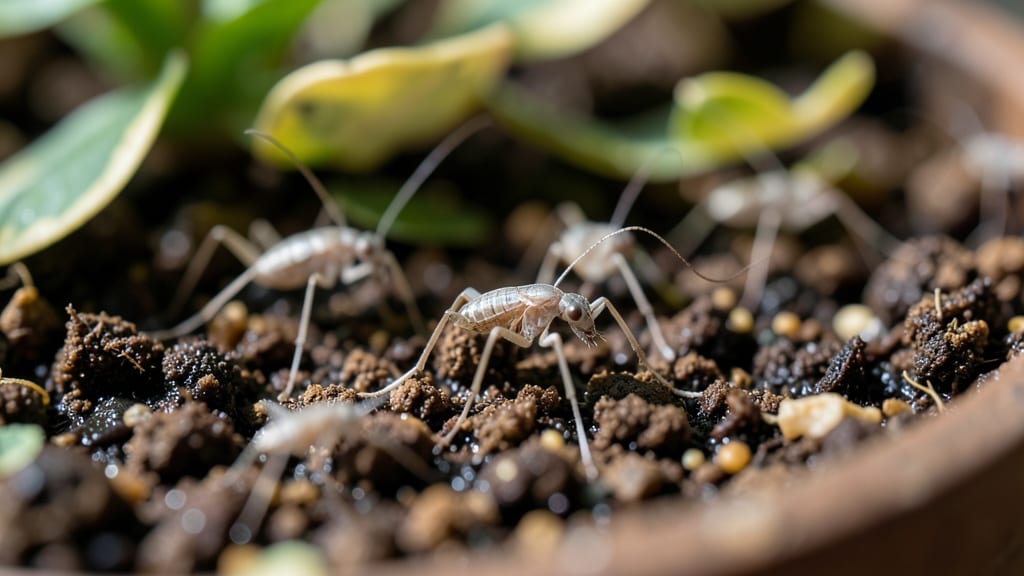
Indoor plant soil bugs are the silent saboteurs of your green sanctuary. 🌱 I’ve wrestled with fungus gnats, spider mites, and those tiny white worms—each one turning my thriving ferns into stressed survivors.
The good news? You don’t need harsh chemicals to win this battle. A few targeted, organic fixes can restore your plants to healthy, lush glory in days.
Most soil pests show up because overwatering or poor drainage creates their perfect hideout. Fungus gnats love damp soil, while mites thrive in dry, dusty conditions. The first step? Stop watering on a schedule—let the top inch dry out before adding more.
For gnats, a thin layer of sand or diatomaceous earth on the soil surface acts like a natural barrier, while neem oil spray keeps mites at bay.
Here’s the game-changer: repotting with fresh, sterile soil and adding a handful of perlite or orchid bark. This improves drainage and makes the environment less hospitable for pests.
Within a week, you’ll see new growth pushing through, and those pesky bugs will be history. The key is consistency—once you fix the conditions, they won’t come back.
This works for every indoor plant, from ferns to monstera, and even your picky snake plants. The secret isn’t just killing bugs—it’s creating a home where they can’t survive. Let’s get your plants back to thriving, not just surviving.
The Hidden Triggers Behind Soil Pests
If you’ve spotted tiny critters crawling through your indoor plant’s soil, don’t panic—you’re not alone! These uninvited guests usually arrive due to a mix of environmental factors, plant health, and even human habits.
Understanding the root causes (pun intended) helps you prevent future infestations and keep your green friends thriving. Let’s dig into why these pests show up in the first place.
Moist, soggy soil is like a five-star hotel for many soil-dwelling pests, including fungus gnats, springtails, and shore flies. Here’s why:
- Excess moisture breaks down organic matter faster, releasing nutrients that attract decomposers like fungus gnats. Their larvae thrive in damp, oxygen-poor soil, feasting on decaying roots and organic debris.
- Stagnant water creates the perfect breeding ground. Fungus gnat eggs hatch in 24–48 hours in consistently wet soil, leading to explosive populations within weeks.
- Poor drainage traps moisture at the roots, signaling pests that your plant is a high-value target. Even well-draining pots can fail if overwatered or if the soil lacks perlite, sand, or vermiculite.
Pro tip: Let the top 1–2 inches of soil dry out between waterings. Use a moisture meter or stick your finger in—if it’s damp past your first knuckle, hold off! 🌱💧
Not all potting mixes are pest-proof. If your soil is heavy, compacted, or packed with decaying organic matter, it becomes a magnet for bugs. Here’s the science:
- Peat moss and compost are nutrient-rich but can harbor nematodes, root mealybugs, or sowbugs if not sterilized. These pests thrive in the same conditions your plant does—warmth, moisture, and organic food.
- Synthetic soils (like pure coconut coir or bark) may lack beneficial microbes, creating an imbalance. Without natural predators (like Steinernema nematodes), harmful pests take over.
- Old or reused soil accumulates eggs, larvae, and fungal spores over time. Even if you repot, residual pests can reinfest quickly.
Action step: Use a sterilized mix with 50% inorganic matter (perlite, pumice, or sand) to improve aeration. For repotting, bake soil at 200°F (93°C) for 30 minutes to kill hidden pests. ✨
Stressed plants with weak immune systems attract pests because they’re easier to colonize. Common stressors include:
- Nutrient deficiencies: Plants low in nitrogen (a key component of chlorophyll) produce sweeter sap, which attracts sap-sucking pests like scale insects or whiteflies.
- Root damage: Overcrowded roots or physical injury (from repotting or pruning) create entry points for root-knot nematodes, which burrow into roots and disrupt nutrient uptake.
- Disease or fungal infections: Fungal pathogens like powdery mildew or root rot weaken plants, making them vulnerable to secondary pest attacks.
Prevention tip: Strengthen your plant’s defenses with balanced fertilizer (look for NPK ratios like 10-10-10) and neem oil sprays (1 tsp per liter of water) to deter pests naturally. 💪🌿
Even indoor plants can get pests from outdoor sources. Here’s how:
- New plants or soil: Many pests, like aphids or thrips, hitchhike on leaves, stems, or soil from garden centers. Inspect new additions for webbing, eggs, or tiny moving dots before bringing them inside.
- Wind or open windows: Fungus gnat adults are weak fliers but can drift in through vents or cracked windows. A single pregnant female can lay 200–300 eggs in your soil!
- Tools and containers: Shared pots, trowels, or watering cans can transfer pests between plants. Always clean tools with rubbing alcohol and avoid reusing soil.
Quarantine new plants: Keep them separate for 2–4 weeks while monitoring for signs of pests. Use a fine mesh tent or plastic bag to contain any escapees. 🛡️🌿
Now that you know the why, the next step is addressing the issue—stay tuned for natural remedies to evict these critters for good! 🚫🐜
Quick Fixes for Soil Pests
Now that you’ve identified the uninvited guests in your indoor plant’s soil, it’s time to act! The good news? Most soil-dwelling pests can be tackled with simple, natural methods—no harsh chemicals required.
Below, we’ve mapped out practical solutions for the most common culprits, along with prevention tips to keep your plants thriving long-term.
Cause: Overwatering or soggy soil creates the perfect breeding ground for these larvae.
How to Fix It: 🔥 Drain the Moisture 🌧️
- Let the top 1–2 inches of soil dry out between waterings. Stick your finger in—if it’s damp, wait a day or two.
- If your plant is root-bound, consider repotting it into fresh, well-draining soil.
🍳 DIY Larvicide Trap 🍲
- Fill a shallow container with apple cider vinegar (or soapy water) and a drop of dish soap.
- Place it near your plant—adult gnats will drown in it within hours.
👨🍳 Beneficial Nematodes 🌱
- Purchase Steinernema feltiae (a microscopic worm) online or at garden centers. Mix them with water and apply to the soil. They’ll hunt and kill larvae naturally.
🎯 Prevention Tips: ✨ Use a mesh cover over the soil surface to block egg-laying adults. ✨ Add sand or perlite to improve drainage. ✨ Water at the base instead of overhead to avoid wetting leaves (which attracts gnats).
Cause: These sap-sucking pests thrive in dry, dusty environments and weak plants.
How to Fix It: 🔪 Manual Removal 🧼
- Dip a cotton swab in rubbing alcohol (70% or higher) and gently dab each bug. Repeat daily until gone.
- For heavy infestations, prune heavily infested leaves and dispose of them in sealed bags.
🌡️ Neem Oil Spray 🍃
- Mix 1 tsp neem oil + 1 tsp mild soap + 1 quart water. Spray directly on bugs and soil. Reapply every 5–7 days for 2–3 weeks.
💡 Pro Tip:
- Ladybugs and lacewings are natural predators! Release them near your plant for long-term control.
🎯 Prevention Tips: ✨ Wipe leaves regularly with a damp cloth to reduce dust. ✨ Isolate new plants for 2 weeks before introducing them to your collection. ✨ Boost humidity (mealybugs hate it)—use a pebble tray or humidifier.
Cause: These armored pests cluster on stems and leaves, excreting honeydew that attracts mold.
How to Fix It: 🍎 Scrape Them Off 🍎
- Use a soft toothbrush dipped in soapy water to scrub off scale. Focus on stems and undersides of leaves.
🌱 Horticultural Oil 🛢️
- Apply dormant oil (available at garden stores) according to package instructions. It suffocates scale without harming plants.
💪 Encourage Predators 🐞
- Parasitic wasps (like Aphytis melinus) target scale. Order them online for a chemical-free solution.
🎯 Prevention Tips: ✨ Inspect new plants under a magnifying glass before bringing them home. ✨ Keep plants healthy—stress attracts pests. Fertilize lightly and prune regularly. ✨ Avoid overcrowding—good airflow reduces scale buildup.
Cause: Dry air and dust create the perfect conditions for these microscopic pests.
How to Fix It: 🌧️ Increase Humidity 💦
- Place a humidifier nearby or mist your plant daily. Spider mites despise moisture.
🍳 Soap Spray 🧼
- Mix 1 tbsp castile soap + 1 quart water. Spray both sides of leaves until dripping. Repeat every 3 days until mites disappear.
🔥 Blast Them Off 💨
- Use a strong stream of water from the shower to knock mites off leaves. Do this 2–3 times a week.
🎯 Prevention Tips: ✨ Wipe leaves with a damp cloth weekly to remove dust. ✨ Introduce predator mites (Phytoseiulus persimilis)—they eat spider mites! ✨ Avoid ant infestations—ants protect spider mites in exchange for honeydew.
Cause: These slimy pests munch on roots and leaves, especially in damp, shaded spots.
How to Fix It: 🔪 Beer Trap 🍺
- Bury a shallow dish filled with beer near your plant. Slugs will crawl in and drown overnight.
🌱 Diatomaceous Earth 🪨
- Sprinkle food-grade DE around the soil’s edge. It dehydrates slugs without harming plants.
💡 Pro Tip:
- Copper tape around pots creates a mild electric barrier that slugs avoid.
🎯 Prevention Tips: ✨ Water in the morning so soil dries faster (slugs love moisture). ✨ Remove hiding spots like mulch piles or debris near pots. ✨ Handpick at night with a flashlight—slugs are slow and easy to spot!
No matter the pest, healthy soil is your best defense.
Here’s how to restore balance: - Repot if needed into fresh, sterile potting mix. - Add compost for nutrients and beneficial microbes. - Rotate plants to prevent soil-borne issues from recurring. - Quarantine new plants for 2 weeks before introducing them to your collection.
Remember: Patience is key! Some infestations take 2–4 weeks to fully resolve. Stick with your treatment plan, and your plants will bounce back stronger than ever. 🌱✨
Frequently asked questions
Are those tiny black bugs in my soil just fungus gnats?
Not always! While fungus gnats are the most common, those tiny black dots could also be springtails or shore flies. Check their behavior: gnats jump awkwardly while springtails do flips. Use a magnifying glass to confirm—if they’re 1/8-inch long with long legs, they’re likely gnats.
Can I still use my plant if I find bugs in the soil?
Yes, but act fast! Most soil pests won’t harm your plant immediately, but they’ll weaken it over time. Start by letting the top 1-2 inches of soil dry out completely, then apply neem oil or beneficial nematodes. If the infestation is severe, repot with fresh, sterile soil to break the cycle.
Why do I keep getting bugs even after treating them?
This usually means the root cause (like overwatering or poor drainage) isn’t fixed. Check your watering habits—are you still letting the soil stay damp? Also, pests can hide in reused soil or pots. Try sterilizing soil at 200°F (93°C) for 30 minutes or using a 50/50 mix of potting soil and perlite.
Are there any plants that naturally repel soil bugs?
Plants like basil, lavender, and marigolds release scents that deter many soil pests. Place them near your indoor plants or use their leaves to make a natural spray (steep in water, strain, and spray on soil). Rosemary also works well—its strong aroma confuses flying insects.
How do I know if my plant is dying from bugs or other issues?
Look for these clues: Yellowing leaves with visible bugs = pest damage. Mushy stems or foul odor = root rot from overwatering. Brown crispy edges = underwatering. If you see webbing or sticky residue, it’s likely pests. Check the roots—healthy ones are firm and white, while diseased roots smell bad and look mushy.