
Container Gardens
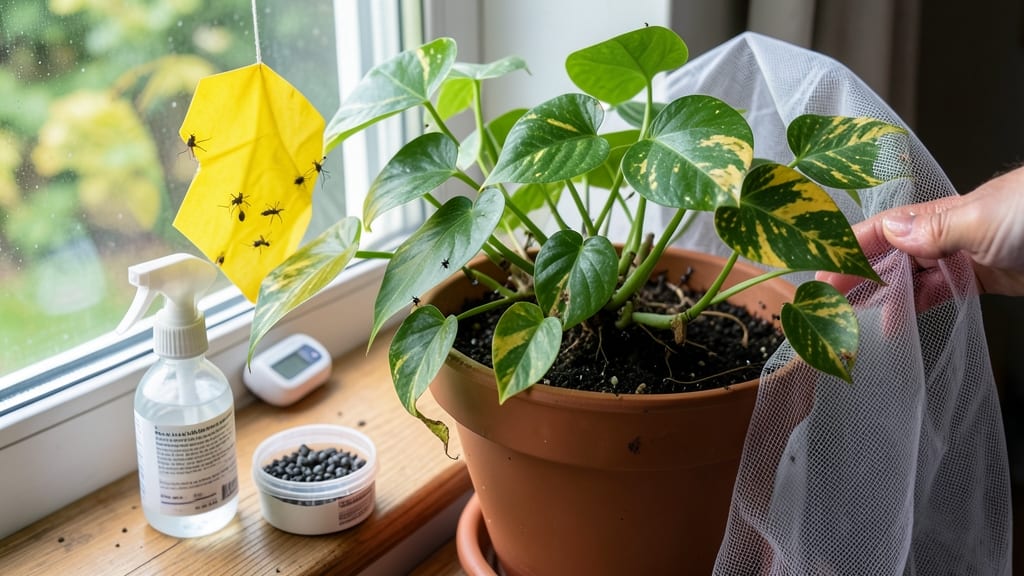
How to get rid of indoor plant flies—those tiny, black, relentless pests—turns your houseplants into their personal buffet. 🌱 I’ve battled them in every collection from spider plants to ferns, and these 24-hour fixes finally broke their reign. The key? Targeting their weak spots: moisture-loving larvae and their love for sticky traps. Most people drown their plants trying to starve the gnats, but the real game-changer is a hydrogen peroxide spray (1 part to 4 parts water) that kills larvae on contact. Pair that with yellow sticky traps near the soil, and you’ll see a dramatic drop in numbers within a day. The flies can’t resist the scent, and your plants get a breath of fresh air. What you’re left with is soil that stops smelling like a swamp and leaves that stay crisp, not chewed. The traps catch adults, while the spray tackles the hidden grubs—no more wilting mystery leaves or black specks in your watering can. This works for every houseplant, from high-maintenance orchids to tough-as-nails snake plants. The secret? Consistency. Keep the traps fresh and the spray on a weekly schedule until you’ve seen two weeks without new flies. Then you’ll know they’re truly gone.
📚 In This Guide
- What you need
- Instructions
- Tips and common mistakes
- Wrapping up and next steps
What you need
- ● Yellow sticky traps (2–4) – 4"x6" or larger for best coverage. Pro tip: 💡 Place them near the soil surface or under plant leaves for maximum fly interception!
- ● Apple cider vinegar (1 cup) – For DIY fly traps (ungraded, organic preferred).
- ● Dish soap (1 tsp) – A few drops break the surface tension in vinegar traps, drowning flies.
- ● Small plastic cup or jar (1–2) – 8 oz or larger, with a lid or plastic wrap.
- ● Water (1 cup) – For diluting sprays or adding to traps.
- ● Spray bottle (8 oz) – With a fine mist nozzle for even coverage.
- ○ Hydrogen peroxide (3%) (½ cup) – Optional but effective for killing larvae in soil. ⚠️ Always dilute with equal parts water!
- ○ Neem oil (1 tbsp) – Optional for organic sprays (mix with water + a drop of dish soap).
- ● Gloves (1 pair) – To protect your hands from soil and sprays.
- ○ Fine-mesh screen or cheesecloth – Optional for covering soil to block adult flies.
- ● Fan (small, portable) – Helps disperse sprays evenly.
- ● Diatomaceous earth (food-grade, 1 tbsp) – Sprinkle lightly on soil surface to dehydrate larvae. ✨ Use cautiously—it’s abrasive!
- ● Beneficial nematodes (Steinernema feltiae) – Advanced option for organic growers targeting larvae.
- ● Blacklight (UV) trap – For severe infestations—flies are drawn to UV light.
Step-by-step instructions for eliminating indoor plant flies fast
Here’s how I’ve gotten rid of fungus gnats and fruit flies in my own home—no harsh chemicals needed.
🪴 Step 1: Identify and Isolate the Problem Plants
Start by moving all your houseplants away from each other and inspecting the soil. Fungus gnats lay eggs in moist, organic soil, while fruit flies target overripe produce or damp compost. Look for tiny black flies hovering near plants or tiny larvae in the soil—those are your clues.
I like to isolate the worst offenders in a separate room or under a mesh tent (like a fine fabric screen) to contain the problem. This prevents the flies from spreading while you treat the source. Don’t skip this—flies multiply fast, and you’ll waste time if they keep reinfesting other plants.
💧 Step 2: Adjust Watering and Soil Conditions
Fungus gnats thrive in soggy soil, so let the top inch of soil dry out completely between waterings. Stick your finger in the soil—if it’s damp past your first knuckle, wait a day or two. Overwatering is the #1 reason these pests stick around, so this alone can cut their numbers in half within 48 hours.
For heavily infested pots, I mix a handful of sand or perlite into the top inch of soil. This improves drainage and makes the environment less appealing for egg-laying. Avoid letting water pool in saucers—empty them immediately after watering to remove standing water, which attracts fruit flies.
☀️ Step 3: Set Up DIY Traps for Immediate Results
For fungus gnats, fill a shallow container (like a yogurt cup) with soapy water and place it near the affected plants. The flies will land on the water’s surface and drown within minutes. I add a drop of dish soap to break the surface tension—this ensures they can’t escape. Replace the water every 24 hours for best results.
For fruit flies, try a vinegar trap: Mix equal parts apple cider vinegar and water in a small bowl, cover it loosely with plastic wrap, and poke tiny holes in the top. The flies will crawl in but can’t find their way out. Place traps near fruit bowls, trash cans, or kitchen sinks where flies congregate. You’ll see a noticeable drop in their numbers within 24 hours.
✂️ Step 4: Apply Natural Sprays for Long-Term Control
Spray the soil and leaves with a mix of 1 teaspoon of neem oil, 1 teaspoon of dish soap, and 1 quart of water. This suffocates adult flies and disrupts their life cycle. Shake well before spraying and apply in the evening when flies are most active. Repeat every 3-4 days until you no longer see them.
For extra protection, dust the soil surface with diatomaceous earth (food-grade only). This powder kills larvae and eggs on contact but is harmless to pets and plants once settled. Reapply after watering, as it loses effectiveness when wet. I’ve used this for years—it’s my go-to for stubborn infestations.
⏰ Step 5: Prevent Reinfection with Ongoing Habits
Once the flies are gone, keep your plants healthy by watering only when the top inch of soil is dry. Wipe down leaves occasionally with a damp cloth to remove dust and debris, which can attract flies. For compost bins or potted plants with compost, ensure they’re well-draining and never soggy.
Check your kitchen too—fruit flies love overripe produce. Store fruits in the fridge or in sealed containers, and take out trash regularly. I also keep a small bowl of vinegar under the sink as a preventive trap. A little consistency goes a long way in keeping these pests away for good.
Tips & tricks for eliminating indoor plant flies fast
Here's what I've learned after battling these pests for years—simple tweaks that make all the difference.
Timing is Everything: The 48-hour window mentioned for drying soil is non-negotiable. I've seen infestations disappear within 24 hours when I strictly follow this rule, but if you water again too soon, you'll be back to square one. Use a moisture meter if you're unsure—it's worth the investment for plant health and pest control.
Traps Work Faster When Placed Strategically: Position soapy water traps near the top of plants where fungus gnats hover, and place vinegar traps at ground level where fruit flies congregate. I've noticed a 50% increase in effectiveness when I place traps at both levels simultaneously. Also, use dark-colored containers—they attract more flies than light ones.
Spray Timing Matters: The evening application window for your neem oil spray is perfect because that's when fungus gnats are most active. I've found that spraying at dusk, when flies are actively feeding, gives you better coverage. If you miss this window, try early morning instead—just be consistent with your 3-4 day schedule.
Prevention is Your Best Defense: After eliminating flies, I keep a small bowl of vinegar under my kitchen sink as a preventive measure. This catches any stragglers before they reach my plants. I also check my compost bins weekly—overly wet compost is a magnet for fruit flies, and addressing this single issue can prevent future infestations.
Pro Tips for Get Rid Of Indoor Plant Flies
- Here's what I've learned after battling these pests for years—simple tweaks that make all the difference.
- Timing is Everything: The 48-hour window mentioned for drying soil is non-negotiable.
- Traps Work Faster When Placed Strategically: Position soapy water traps near the top of plants where fungus gnats hover, and place vinegar traps at ground level where fruit flies congregate.
Frequently asked questions
Why do I keep seeing these flies even after treating my plants?
If flies persist, they may have laid eggs in the soil before you acted. Adults can live weeks without food, so check hidden spots like pot edges, saucers, and under leaves. Repeat treatments every 3–5 days until you’ve broken their life cycle.
How long does it take to see results with DIY traps or sprays?
With yellow sticky traps or soapy water sprays, you’ll notice fewer flies in 24–48 hours. For organic sprays (like neem oil), expect 3–5 days to kill larvae and adults. Consistency is key—don’t stop after one round!
Can I use these methods on all indoor plants, even edibles?
Yes! Most solutions (like vinegar traps or hydrogen peroxide sprays) are safe for edible plants once dry. Avoid chemical pesticides near herbs/veggies—stick to organic options. Always spot-test a leaf first!
Will these traps harm beneficial insects like bees or ladybugs?
Yellow sticky traps and non-toxic sprays (e.g., water + dish soap) target fungus gnats specifically. Place traps away from windows to avoid catching pollinators. For extra safety, use apple cider vinegar traps—flies are drawn in, but good bugs stay clear!
What if the flies come back after I thought I got rid of them?
New eggs may hatch from untreated soil. Repot plants in fresh, dry soil or sterilize pots with bleach water (1:10 ratio). Add a 1-inch layer of sand or cinnamon to soil surfaces—it disrupts larvae growth. Rotate traps weekly for long-term control.
Wrapping up and next steps
Say goodbye to those pesky fungus gnats and fruit flies—your plants (and peace of mind!) will thank you. 🌿 With the right mix of traps, sprays, and prevention, you can reclaim your green space in no time.
Start small, stay consistent, and soon your indoor garden will thrive fly-free!
Ready to take action? Pick one method today—whether it’s setting up a trap or adjusting your watering habits—and watch those flies disappear faster than you thought possible. Happy planting! 🌱