
Propagation
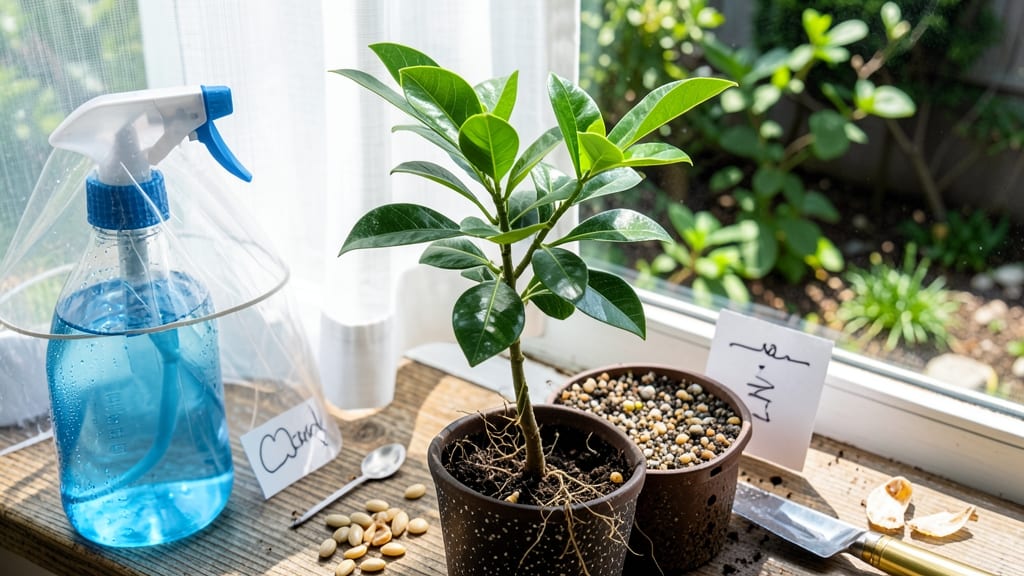
Growing a lemon tree from seed indoors means fresh citrus year-round—though it’ll take patience. 🌱 I’ve nurtured three from seed, and the first fruit appeared after five years of careful pruning and light management.
The key isn’t rushing germination; it’s setting up conditions that mimic a Mediterranean climate in your living room. Start with a navel orange or lemon seed (avoid store-bought hybrids—they’re often sterile). Plant it just below the soil surface in a 4-inch pot with well-draining potting mix.
Keep the soil damp (not soggy) and place it in a warm spot—70-80°F is ideal. Germination takes 2-4 weeks, and you’ll know it’s working when the first true leaves appear (they’ll look like tiny maple leaves).
Once established, your seedling needs bright, indirect light for 8+ hours daily—south-facing windows work best. Rotate the pot weekly so it grows straight, and prune aggressively in early spring to encourage bushier growth.
The first flowers might take 3-5 years, but with consistent care, you’ll eventually taste homegrown lemons. Common pitfalls? Overwatering (yellow leaves = root rot) and insufficient light (leggy growth). Use a grow light if natural light is weak, and fertilize lightly in spring/summer. The payoff?
A fragrant, productive tree that thrives indoors with the right balance of light, water, and pruning precision.
📚 In This Guide
- What you need
- Instructions
- Tips and common mistakes
- Wrapping up and next steps
What you need
- ● Lemon seeds – 3–5 fresh, plump seeds (harvested from organic lemons for best results).
- ● Small seed-starting pots or containers – 2–3 (3–4 inches wide) with drainage holes.
- ● Well-draining potting mix – A blend of cactus/succulent soil (60%) and perlite or coarse sand (40%) for aeration.
- ● Plastic wrap or a humidity dome – To retain moisture while seeds germinate.
- ● Spray bottle – For gentle watering to avoid disturbing seeds.
- ● Grow lights or a sunny windowsill – A south-facing window (6+ hours of light/day) or a LED grow bulb (12–16 hours/day).
- ● Room-temperature water – For consistent moisture (avoid tap water if heavily chlorinated).
- ● Heating mat – Speeds up germination (75–85°F ideal).
- ● Fertilizer (balanced 10-10-10 or citrus-specific) – Diluted to half-strength for seedlings.
- ● Pruning shears – For shaping as the tree matures.
- ● Larger pot (10+ inches) – For transplanting once the seedling outgrows its starter pot.
- ● pH test kit – Ensures soil pH stays between 6.0–7.0 (lemon trees prefer slightly acidic soil).
Step-by-step instructions for growing a lemon tree indoors from seed
Here’s my battle-tested method for nurturing a lemon tree from seed—where precision pruning and light management turn a tiny seed into a fruit-bearing beauty.
🌱 Step 1: Extract and Soak the Seed for Faster Germination
Start with a fresh, organic lemon (conventional lemons are often treated to prevent sprouting). Slice the fruit open and remove the seeds, rinsing them thoroughly to clean off any pulp. Place the seeds between two damp paper towels, fold them, and store in a sealed plastic bag. Keep them in a warm spot—70-75°F—until you see tiny white roots emerge, usually within 7-14 days.
This soaking trick speeds up germination by breaking the seed’s dormancy. Check daily—if the towels dry out, mist them lightly. Once roots are ½ inch long, it’s time to plant. Skipping this step can delay germination by weeks, so don’t rush past it.
🪴 Step 2: Plant in Well-Draining Soil and Choose the Right Container
Fill a 6-inch diameter pot with a mix of 50% potting soil and 50% perlite or coarse sand to prevent root rot. Lemon trees hate soggy roots, so drainage is non-negotiable. Gently place the sprouted seed ½ inch deep into the soil, roots facing downward, and cover lightly with the mix.
Water thoroughly until it drains from the bottom, then let excess water evaporate before watering again. Place the pot in a warm, bright spot—indirect sunlight is best at first. You’ll see the first true leaves appear in 2-4 weeks, signaling healthy growth. If the soil stays too wet, fungal diseases like damping-off will attack the young stem overnight.
☀️ Step 3: Provide Bright Light and Rotate for Even Growth
Lemon trees need 6-8 hours of direct sunlight daily, so position your tree near a south-facing window or under a grow light if natural light is insufficient. If leaves stretch toward the light (a sign of legginess), your tree needs more intensity. Rotate the pot a quarter turn weekly to ensure even growth—you’ll notice stems growing straighter and leaves staying compact.
Watch for yellowing leaves, which often means too much water or poor drainage. Adjust your watering to every 7-10 days once established, letting the top 1-2 inches of soil dry out between waterings. Overwatering is the #1 killer of indoor citrus—always check moisture before adding more.
✂️ Step 4: Prune for Shape and Health Starting at 6 Months
When your tree reaches 12-18 inches tall, it’s time for the first pruning to encourage bushiness. Use clean, sharp scissors to trim back the newest growth by ⅓, cutting just above a leaf node. This prevents the tree from growing too leggy and directs energy into a stronger structure. Remove any dead or yellowing leaves immediately—they sap energy from the plant.
Prune again in early spring before new growth begins, always cutting at a 45-degree angle just above a leaf. This is where my trees start producing flowers—healthy pruning now sets the stage for future fruit. Avoid heavy pruning in fall or winter, as the tree needs all its energy to recover from dormancy.
💧 Step 5: Fertilize and Monitor for Pests Year-Round
Begin fertilizing in early spring with a balanced citrus fertilizer (10-10-10 or similar), applying it every 4-6 weeks during the growing season. Reduce to once every 8 weeks in fall and winter, as growth slows. Over-fertilizing burns roots—always follow label instructions. You’ll see new, vibrant growth within weeks of consistent feeding.
Check the undersides of leaves weekly for pests like spider mites or scale. Wipe leaves with a damp cloth to remove dust, which blocks light. If pests appear, treat with neem oil or insecticidal soap—natural solutions work best for indoor trees. A healthy tree resists pests, so proper light, water, and pruning keep it thriving.
Tips & tricks for growing a thriving indoor lemon tree
Here's what nobody tells you about nurturing a lemon tree from seed—where small details make all the difference between a sad sapling and a fruit-bearing beauty.
Germination Secret: The 70-75°F warmth recommendation isn't just about speed—it's about mimicking tropical conditions where lemon trees naturally thrive. Place your seed bag near a warm appliance (like the fridge) or use a seedling heat mat if your home runs cool. I learned this the hard way after waiting three weeks for roots to appear in a chilly kitchen. Pro tip: If roots emerge unevenly, gently reposition them before planting to encourage straight growth.
Soil Mix Matters: That 50/50 potting soil to perlite/sand ratio isn't arbitrary—it's about aeration. Lemon trees develop root rot faster than you'd think in dense soil. I've seen perfectly healthy seedlings collapse overnight from overwatering in regular potting mix. Test your mix by squeezing it: it should hold shape but crumble easily when pressed, not stay compact like wet clay.
Light Intensity Insight: Those 6-8 hours of direct sunlight aren't just about duration—they're about intensity. A north-facing window might give you 8 hours, but if it's weak winter sun, your tree will stretch painfully. I solved this by adding a 15-watt LED grow bulb 6 inches above my tree for 4 hours daily during cloudy months. The difference in leaf color and growth is night-and-day compared to natural light alone.
Pruning Precision: When instructions say to trim the newest growth by ⅓, they mean the absolute freshest tips—no older than 2 weeks. I used to cut randomly and wondered why my tree stayed leggy. The key is to cut just above a leaf node where new growth will emerge. This might seem counterintuitive since you're removing growth, but it forces the tree to put energy into lateral branches, creating that bushy structure we want.
Pro Tips for Grow Lemon Tree Indoors From Seed
- Here's what nobody tells you about nurturing a lemon tree from seed—where small details make all the difference between a sad sapling and a fruit-bearing beauty.
- Germination Secret: The 70-75°F warmth recommendation isn't just about speed—it's about mimicking tropical conditions where lemon trees naturally thrive.
- Soil Mix Matters: That 50/50 potting soil to perlite/sand ratio isn't arbitrary—it's about aeration.
Frequently asked questions
Got questions about growing your own lemon tree from seed? You’re not alone—here are some of the most common queries (and their answers!) to help you succeed with your indoor citrus project.
How long does it take for a lemon seed to sprout?
A lemon seed typically sprouts within 2 to 4 weeks if kept in warm, moist conditions. Keep the soil consistently damp (but not soggy) and place the pot in a sunny spot. Patience is key—some seeds may take longer, especially if they’re older or stored improperly. Pro tip: A heat mat can speed up germination!
When will my indoor lemon tree produce fruit?
Don’t expect lemons for 3 to 5 years—or even longer! Indoor-grown lemon trees from seed are slow to mature and often produce small, tart fruit (if any). For faster results, consider grafting a mature variety onto your seedling. Even if it doesn’t fruit, your tree will still offer lush foliage and a rewarding growing experience!
Can I use store-bought lemon seeds, or do I need organic?
Store-bought seeds will work, but organic or home-grown seeds may have a slightly higher germination rate. The key is freshness—seeds from lemons left on the counter for weeks may not sprout as reliably. Rinse the seeds to remove pulp residue before planting for best results.
Why is my lemon seedling wilting or turning yellow?
Yellowing leaves or wilting often signal overwatering, underwatering, or poor drainage. Check the soil—it should be moist but not muddy. Ensure the pot has drainage holes and use a well-draining potting mix. Too much cold or drafts can also stress the plant. Move it to a warm, bright spot (60–75°F) and adjust watering accordingly.
Should I prune my indoor lemon tree, and how?
Yes! Pruning keeps your tree compact, healthy, and bushier. Use clean scissors to trim back leggy growth in early spring. Remove dead or crowded branches to improve airflow. For indoor trees, aim for a balanced shape—avoid heavy pruning, as lemon trees can be sensitive. Pro tip: Pinch back new growth to encourage fuller growth!
Wrapping up and next steps
Growing a lemon tree from seed indoors is a rewarding journey that brings a taste of sunshine to your home—literally! 🌱 With patience, the right care, and a little pruning precision, you’ll enjoy fragrant leaves, delicate blossoms, and maybe even homegrown lemons (though fruit may take years).
Start small, stay consistent, and celebrate every milestone, from sprouts to saplings.
Ready to nurture your citrus dream? Next, grab your seed and pot—your indoor orchard awaits! 🍋✨