
Propagation
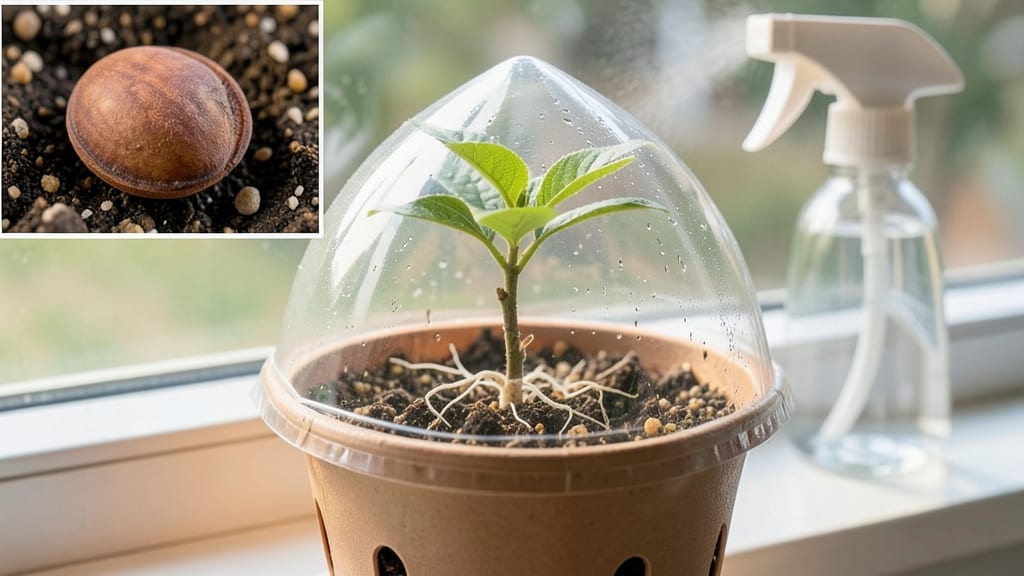
Growing peaches from seed indoors turns your kitchen windowsill into a tiny orchard. 🌱 The process starts with a simple pit from store-bought fruit, but the real magic happens when those first fuzzy leaves push through the soil—proof that sweet potential begins with patience and a warm spot.
You’ll need just three things: a peach pit, damp paper towels, and a pot with well-draining soil. The trick is keeping the pit consistently moist while it germinates, which can take anywhere from 2-4 weeks—longer than most seeds, but worth the wait for that first green shoot.
Many beginners rush this step and end up with mold instead of roots. Once sprouted, your seedling will need bright light (a south-facing window or grow light) and careful watering to avoid damping off.
By spring, it’ll be ready for outdoor planting, though fruit may take 3-5 years to appear—if it ever does, since seed-grown trees rarely match their parent’s quality. Still, the journey is half the joy. This method works for anyone with a sunny spot and a little time.
The real reward? Watching a tree you nurtured from a single pit grow into something alive and green—even if it never bears perfect fruit. Here’s how to start yours today.
📚 In This Guide
- What you need
- Instructions
- Tips and common mistakes
- Wrapping up and next steps
What you need
- ● Peach pit (seed): 1-2 fresh, firm pits from a ripe, non-hybrid peach (avoid store-bought varieties if possible—opt for heirloom or local fruit).
- ○ Small pots or seed trays: 2-3 (3-4 inches in diameter) with drainage holes. Optional: Biodegradable peat pots for easy transplanting.
- ○ Well-draining potting mix: 1 bag (look for a seed-starting mix with perlite or vermiculite). Optional: Add a handful of sand or coconut coir for extra aeration.
- ● Spray bottle: 1 (for gentle watering).
- ● Plastic wrap or humidity dome: 1 sheet or cover (to retain moisture).
- ● Grow lights or sunny windowsill: Access to 6-8 hours of indirect light daily (south-facing window or LED grow lights work best).
- ○ Heat mat (optional but helpful): 1 (to keep soil warm, around 70-75°F, for faster germination).
- ● Fertilizer: A balanced, water-soluble fertilizer (5-5-5 or 10-10-10) for seedlings.
- ● Patience: Germination can take weeks to months—peach seeds are slow starters! 💡 Pro tip: Soak pits in warm water for 24-48 hours before planting to speed up the process.
- ● Space: Ensure your indoor setup has room for the plant to grow (peach trees can reach 6+ feet indoors with proper care!).
- ● Time: Dedicate 10-15 minutes daily for monitoring moisture, light, and growth.
Step-by-step instructions for growing peaches from seed indoors
Here's how to nurture a peach tree from seed—patience and care are key to unlocking that sweet potential.
🌱 Step 1: Select and Prepare the Seeds
Start with fresh, plump peach pits from ripe fruit—avoid seeds that feel hollow or shriveled. Remove the pit carefully, then crack it open with a nutcracker or hammer. Inside, you’ll find a single large seed surrounded by a brown, papery shell. This seed is your starting point for a future tree.
Soak the seed in warm water for 24 hours to soften the outer shell and speed up germination. I like to place it in a small bowl of water and let it sit on the counter. The water should cover the seed completely—this ensures the shell absorbs moisture evenly. After soaking, drain the water and let the seed dry slightly on a paper towel for 1-2 hours before planting.
🪴 Step 2: Plant the Seed in a Small Container
Fill a 4-inch diameter pot with sterile seed-starting mix—this lightweight medium gives roots room to grow without compacting. Press the mix down gently, leaving about 1 inch of space from the pot’s rim. Make a small hole in the center, about ½ inch deep, using your finger or a pencil.
Place the soaked seed in the hole with the pointed end facing downward. Cover it lightly with soil, just enough to hold it in place. Water the soil gently until it’s evenly moist but not soggy. Place the pot in a warm, sunny spot—70-75°F is ideal for germination. A seedling heat mat can help maintain consistent warmth if your home runs cooler.
☀️ Step 3: Provide Warmth and Light for Germination
Keep the soil consistently moist by misting it lightly every 2-3 days—you’ll know it’s right when the top inch feels damp but not wet. Germination can take anywhere from 2 to 6 weeks, depending on the variety and conditions. Patience is critical here; don’t be tempted to overwater or disturb the soil.
Once the seedling emerges, move it to a south-facing window or under a grow light for 12-14 hours of light daily. Peach seedlings need strong light to develop sturdy stems. If the seedling grows leggy (long and weak), it’s a sign it needs more light. Adjust the grow light to stay 3-4 inches above the plant as it grows.
🌿 Step 4: Transplant and Care for the Seedling
After the seedling develops 2-3 sets of true leaves (the second set after the initial seed leaves), it’s time to transplant into a 6-inch pot with fresh potting mix. Handle the seedling gently by its leaves, not the stem, to avoid damaging the roots. Bury it just as deep as it was in the original pot.
Water the seedling thoroughly after transplanting, then let the top inch of soil dry out between waterings. Peach seedlings are sensitive to overwatering, so always check the moisture level before adding more. Place the pot in a spot with full sun and protect it from drafts or extreme temperature swings—peach trees thrive in 60-80°F conditions.
⏰ Step 5: Prune and Train for Strong Growth
Once the seedling reaches 12 inches tall, begin pruning to encourage a strong, bushy structure. Use clean scissors to trim back any leggy or weak growth, cutting just above a leaf node. This redirects energy to the healthier parts of the plant. Prune in early spring or after new growth appears to avoid stressing the seedling.
If you’re growing multiple seedlings, keep only the strongest one—peach trees need space to develop properly. By the time the seedling is 18-24 inches tall, it’s ready for a 1-gallon pot if you plan to keep it indoors long-term. Remember, peach trees grown from seed may take 5-7 years to bear fruit, but the journey is rewarding.
Tips & tricks for growing peach trees from seed indoors
Growing peaches from seed indoors takes patience, but these simple tricks will help you avoid common pitfalls and give your little tree the best start.
Seed Selection Matters: When choosing peach pits, pick ones from fully ripe, firm fruit—avoid seeds that feel hollow when tapped, as they won't germinate. I've learned this the hard way: a hollow seed means no tree. Also, freshness counts—use seeds from fruit you've eaten within the last week for best results.
Germination Environment: The 70-75°F temperature range mentioned in Step 2 is crucial for breaking seed dormancy. If your home runs cooler, place your pot on a seedling heat mat set to 75°F—this mimics spring conditions and speeds up germination. I've seen seeds take twice as long without this extra warmth. Keep the soil consistently moist during this stage, but never soggy.
Lighting Strategy: Once your seedling emerges, those 12-14 hours of light daily become non-negotiable. If you don't have a south-facing window, invest in a basic grow light—even a simple LED bulb will work. Position it 3-4 inches above the plant and adjust as it grows. I notice seedlings grow leggy when they're light-deprived, so keep an eye out for that.
Transplanting Timing: Wait until your seedling has 2-3 sets of true leaves before transplanting to the 6-inch pot. This ensures the roots are strong enough to handle the move. When repotting, handle the seedling by its leaves—not the stem—to prevent damage. I've found that seedlings transplanted too early often struggle with shock and stunted growth.
Pro Tips for Grow Peaches From Seed Indoors
- Growing peaches from seed indoors takes patience, but these simple tricks will help you avoid common pitfalls and give your little tree the best start.
- Seed Selection Matters: When choosing peach pits, pick ones from fully ripe, firm fruit—avoid seeds that feel hollow when tapped, as they won't germinate.
- Germination Environment: The 70-75°F temperature range mentioned in Step 2 is crucial for breaking seed dormancy.
Frequently asked questions
Got questions?
Growing peaches from seed indoors is rewarding but can feel tricky at first. Here are answers to the most common queries to help you succeed—no guesswork required!
How long does it take for a peach seed to sprout indoors?
A peach seed typically sprouts in 4–8 weeks after planting, depending on temperature and moisture. Keep the soil consistently damp (not soggy) and place the pot in a warm spot (around 70°F) to speed up germination. Patience is key—some seeds take longer, especially if stored improperly.
Will my indoor peach tree ever produce fruit?
Probably not in the first few years! Indoor-grown peach trees from seed are often dwarf varieties and may take 3–5 years to bear fruit—if at all. Many growers use them as ornamental plants or graft them later for better fruit production. For faster results, consider buying a grafted peach tree.
What’s the best indoor temperature for growing peach seeds?
Peach seeds thrive in 65–75°F during germination. After sprouting, maintain 60–70°F during the day and 55–60°F at night to mimic outdoor conditions. Avoid drafts or sudden temperature swings, which can stress the young seedling. A heat mat ($10–$20) helps if your home runs cool.
Can I use any peach pit, or do I need a special variety?
You can use any fresh peach pit, but store-bought varieties (like Elberta or Redhaven) may not yield true-to-type fruit. For better results, save seeds from heirloom or local peaches—they’re more likely to adapt to your climate. Avoid hybrid seeds (e.g., from grocery stores), as they may not grow well.
Why is my peach seedling turning yellow or wilting?
Yellowing leaves or wilting often signal overwatering or root rot. Let the top inch of soil dry out between waterings, and ensure the pot has drainage holes. If the stem feels mushy, trim the rotten part and repot in fresh, sterile soil. Underwatering can also cause wilting—check soil moisture daily!
Pro Tip:
Need a shortcut? Try stratification—place seeds in a damp paper towel in the fridge for 4–6 weeks before planting to mimic winter dormancy. This can double your sprouting success rate!
Wrapping up and next steps
Growing peaches from seed indoors is a rewarding journey that blends patience with the joy of nurturing life from something as simple as a pit!
While it may take years for your little seedling to bear fruit, every step—from scarification to transplanting—teaches you the magic of nature’s cycle. Celebrate your progress, no matter how small!
Now that you’ve mastered the basics, why not expand your green thumb? Try experimenting with other stone fruits like plums or apricots, or even explore grafting techniques to speed up fruiting. The world of indoor gardening is your oyster—go forth and grow! 🌱✨