
Succulent
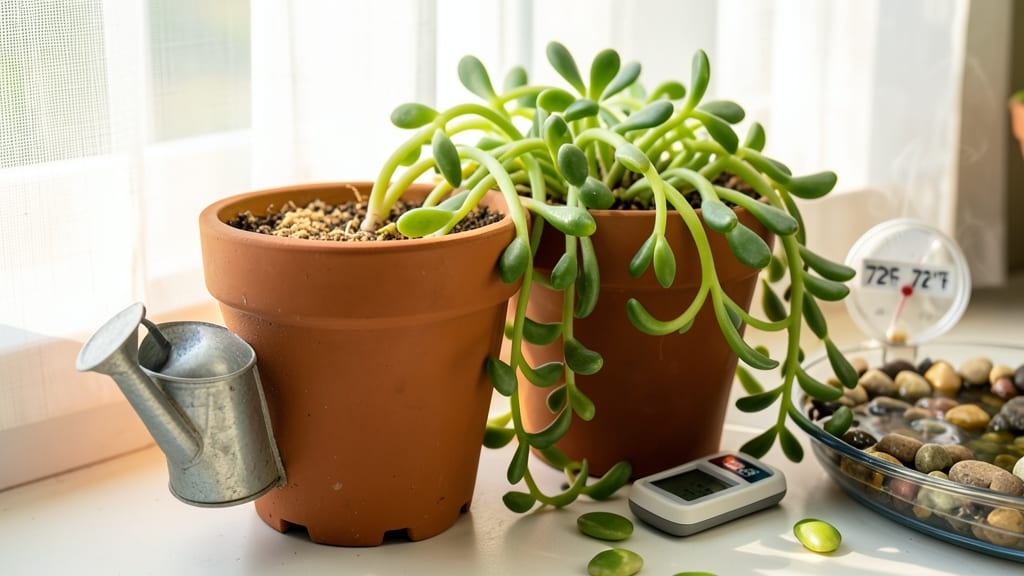
Keeping succulents alive indoors feels impossible until you know their secret: they’re desert survivors, not finicky houseplants. ✨ I’ve lost count of the ones I’ve killed—until I finally cracked the code on light, water, and soil. The good news?
Once you get it right, these green pets thrive with almost no effort. Start with the right setup: a sunny window (south-facing is ideal), a pot with drainage holes, and a gritty soil mix that mimics their native rocky soil.
Most beginners drown them because they think "less water" means "no water"—but succulents actually need a soak-and-dry routine. Stick your finger in the soil first; if it’s damp, wait. Within weeks, you’ll see plump, vibrant leaves and new growth pushing out. The wrinkled, shriveled look?
That’s just them telling you it’s time to drink. Rot or mushy stems? You’re overwatering—time to adjust. These plants are forgiving once you understand their language. Works for busy people, tiny apartments, or anyone tired of plants that die on sight. Let’s get your succulents thriving!
📚 In This Guide
- What you need
- Instructions
- Tips and common mistakes
- Wrapping up and next steps
What you need
- ● Succulents: 1–3 plants (choose varieties like Echeveria, Haworthia, or Sedum for beginners)
- ● Well-draining soil: 1 bag (look for cactus/succulent mix—avoid regular potting soil!)
- ● Pot(s): 1–2 containers with drainage holes (terracotta or ceramic work best)
- ● Size: Slightly larger than the succulent’s root ball (overpotting = soggy roots!)
- ● Pebbles or perlite: Small handful (for the pot’s bottom layer, ~1 inch deep)
- ● Watering can: 1 with a narrow spout (to avoid splashing soil)
- ● Bright, indirect light source: South- or east-facing window (or a grow light for dim spaces)
- ● Self-watering globes: 1–2 (for hands-off hydration)
- ● Humidity tray: 1 (if your air is dry, like in winter)
- ● Plant labels: Small set (to track varieties and watering schedules)
- ● Fertilizer: Balanced, diluted succulent fertilizer (use sparingly, 2–3x/year)
- ● Decorative stones or moss: For a cute, natural pot finish
Step-by-Step instructions for keeping succulents alive indoors
Succulents thrive with simple care—just light, water, and the right pot. Here’s how to keep them happy year-round.
🪴 Step 1: Choose the Right Container and Soil
Start with a container that has drainage holes—succulents hate soggy roots. I use terracotta pots because they breathe and help prevent rot. Fill the pot with a cactus/succulent mix (never regular potting soil—it holds too much moisture). This mix drains fast and lets roots stay dry between waterings.
Gently press the soil into the pot so it’s firm but not packed. Tap the container on the table once to settle it evenly. Succulents need loose soil to prevent water from pooling around their roots. If you’re repotting, choose a container only 1-2 inches larger than the current one—bigger pots hold too much water and encourage rot.
☀️ Step 2: Position for Bright, Indirect Light
Succulents crave 4-6 hours of bright, indirect light daily. A south- or east-facing window is ideal, but avoid harsh afternoon sun, which can scorch leaves. If your space is dim, supplement with a grow light kept 6-12 inches away for 12-14 hours a day.
Watch for signs of light stress: pale, stretched leaves mean more light is needed, while dark spots or wrinkles signal too much sun. Rotate the pot a quarter turn weekly so the plant grows evenly. This prevents lopsided growth and ensures all sides get equal light exposure.
💧 Step 3: Water Only When Completely Dry
Water succulents only when the soil is bone-dry—stick your finger 1-2 inches deep. If it feels damp, wait another day. When watering, soak the soil until it drains from the bottom, then empty the saucer to prevent root rot. I use the "soak-and-dry" method: water thoroughly, then let the soil dry out completely before the next watering.
Overwatering is the #1 killer of indoor succulents. If the leaves start shriveling or turning translucent, it’s a sign of underwatering. If they yellow or feel mushy, you’ve overwatered. Adjust your schedule based on your home’s humidity—dry air means less frequent watering, while humid spaces may need slightly more.
✂️ Step 4: Prune and Propagate for Health
Remove dead or yellowing leaves by twisting them gently at the base—no need for scissors. Healthy leaves can be propagated to grow new plants! Place a leaf cutting in a dry, shaded spot for 2-3 days to callous over, then lay it on top of fresh, dry soil. Mist lightly once, then leave it alone. Roots will form in 3-6 weeks.
If your succulent gets leggy (stretching toward light), it’s time to trim the top and propagate it. This encourages bushier growth. Always use sterile scissors to avoid introducing bacteria. After pruning, let the cut end dry for a day before placing it in water or soil to root.
🌱 Step 5: Fertilize Sparingly and Watch for Pests
Feed succulents once in spring and once in summer with a diluted, balanced fertilizer (half-strength). Too much fertilizer burns roots and causes salt buildup. I skip fertilizing in fall and winter—they’re dormant and don’t need extra nutrients. Always water before fertilizing to avoid root burn.
Check leaves regularly for mealybugs or spider mites (tiny webs or white cottony spots). Wipe leaves with a damp cloth or spray with neem oil if you spot pests. Isolate affected plants to prevent spreading. Healthy succulents rarely get pests, so keeping them happy is the best prevention.
Tips & tricks for perfect indoor succulent care
Here's what nobody tells you about keeping succulents thriving indoors without the guesswork.
Container Selection: Terracotta pots are my go-to because they wick away moisture through their porous walls, but any container with drainage holes works. For extra insurance against rot, place a layer of pebbles at the bottom before adding soil—this creates an air gap that prevents water from sitting against the roots. If you're using decorative pots without drainage, add a saucer with pebbles and water only occasionally, then empty it completely.
Light Exposure: The 4-6 hours of bright, indirect light is non-negotiable, but here's the trick: if your succulent starts stretching toward the light (called etiolation), it's begging for more. Move it closer to the window or supplement with a grow light for those 12-14 hours. I place mine 8-10 inches from a south-facing window in winter when natural light is weaker. Rotate weekly to prevent lopsided growth—this simple habit keeps your plant bushy and symmetrical.
Watering Wisdom: That "bone-dry" test in Step 3 is crucial, but here's how to read it right: stick your finger in 1-2 inches deep and feel for moisture. If it's completely dry, water until it drains from the bottom. The key is consistency—water thoroughly, then wait until the soil is completely dry before watering again. In winter, I cut back to every 3-4 weeks because succulents go dormant and need less water. Overwatering is silent killer—if leaves start looking mushy or translucent, you've gone too far.
Propagation Hack: When you're propagating those 2-3 day calloused leaves, here's a pro move: place them on top of fresh, dry soil instead of burying them. This mimics their natural environment and encourages roots to form faster. I've found that misting them lightly once (just once!) helps kickstart the process, but don't overdo it—too much moisture can rot them before they even take. After 3-6 weeks, you'll have baby plants ready to pot up!
Pro Tips for Keep Succulents Alive Indoors
- Here's what nobody tells you about keeping succulents thriving indoors without the guesswork.
- Container Selection: Terracotta pots are my go-to because they wick away moisture through their porous walls, but any container with drainage holes works.
- Light Exposure: The 4-6 hours of bright, indirect light is non-negotiable, but here's the trick: if your succulent starts stretching toward the light (called etiolation), it's begging for more.
Frequently asked questions
Got questions about keeping your succulents happy indoors? You’re not alone! Here are answers to the most common concerns—so you can enjoy your green pets without the guesswork.
How often should I water my indoor succulents?
Water your succulents only when the soil is completely dry—usually every 2-4 weeks, depending on humidity and light. Stick your finger an inch into the soil: if it’s dry, it’s time to hydrate! Overwatering is the #1 killer, so less is always better.
Why are my succulents turning mushy or yellow?
Mushy or yellowing leaves = too much water or poor drainage. Let the soil dry out completely between waterings, and ensure your pot has drainage holes. If already soggy, trim the damaged parts and repot in fresh, well-draining soil to save your plant!
Can succulents survive in low-light areas?
Succulents thrive in bright, indirect light, but they can tolerate low light—just expect slower growth and stretched-out (or "leggy") stems. If your home is dim, rotate your plant occasionally for even exposure or supplement with a grow light for 6-8 hours daily.
What’s the best soil mix for indoor succulents?
Use a fast-draining mix like cactus/succulent soil (available at garden stores) or DIY with 50% potting soil + 50% perlite/pumice. Avoid regular garden soil—it holds too much moisture and suffocates roots. Pro tip: Add a handful of sand for extra aeration!
How do I revive a dying succulent?
Start with these steps:
- Trim dead leaves with clean scissors.
- Repot in fresh, dry soil with drainage.
- Let it skip a watering for 1-2 weeks to recover.
- Move to a bright spot (but no direct sunburn!).
Wrapping up and next steps
Keeping succulents alive indoors is easier than you think—just remember light, water, and space are their secret ingredients! 🌱 With the right pot, soil, and a little patience, your green pets will thrive without demanding much of your time.
Start small, experiment with care tips, and soon you’ll have a stunning, low-maintenance indoor jungle.
Ready to level up? Try propagating your favorite succulents or mix varieties for a vibrant display—your green thumb is growing stronger every day! 🌟