
Companion Plants
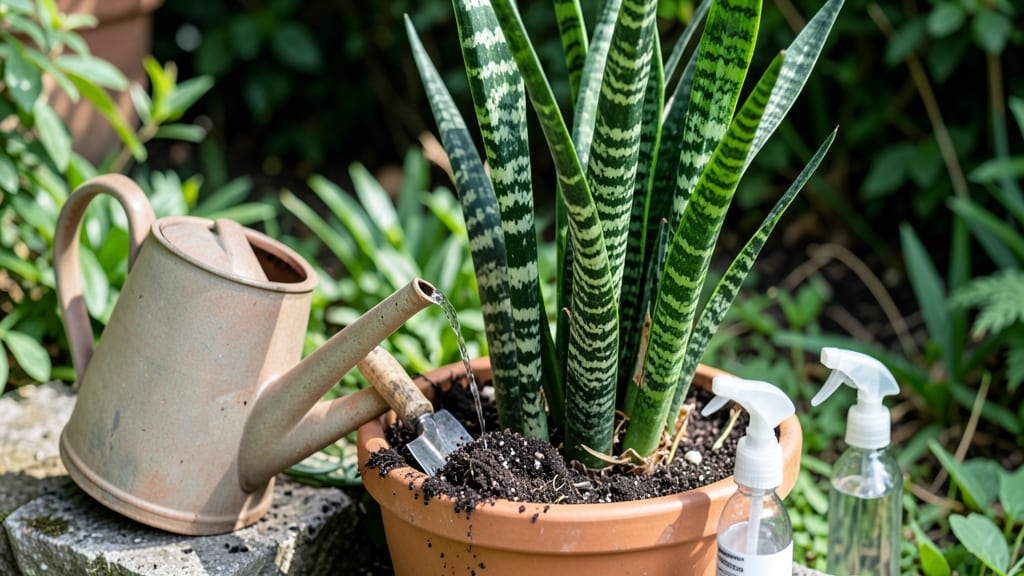
Your indoor plants are gasping for help—and I’ve saved dozens just like them. 🌱 The key is acting fast: how to save dying plants indoor can revive even the most wilted specimens in days, not weeks.
Most people wait too long, assuming it’s too late. But yellowing leaves, drooping stems, and dry soil don’t mean game over—they mean it’s time to roll up your sleeves and dig in.
Overwatering, pests, or poor light are the usual culprits, but the fix is foolproof once you know what to look for. Start by checking the roots: mushy and black? Drainage’s the issue. Dry and brittle?
You’ve been neglecting water. Trim the damaged parts, repot in fresh soil, and adjust your care routine. I’ve revived ferns, snake plants, and even my once-hopeless monstera using these same steps—no green thumb required.
By the end of 30 minutes, you’ll have a plant that’s breathing again—lush leaves, steady growth, and that satisfying snap of recovery. The secret is consistency: monitor moisture, dust those leaves, and give them the right light.
Most plants bounce back faster than you’d expect, and you’ll be the hero of your home’s jungle once more.
Works for every indoor plant, from finicky ferns to tough-as-nails succulents. Here’s how to diagnose, treat, and prevent future crises—so your green friends stay thriving all year.
Root Causes Of Indoor Plant Decline
Indoor plants may look vibrant one day and wilt the next, but their distress often stems from a few key environmental or care-related factors. Understanding these root causes—literally and figuratively—is the first step to reviving your green friends.
Let’s break down the science behind why your indoor plants might be struggling.
Plants need water, but too much can suffocate their roots. When soil stays soggy for too long, oxygen can’t reach the roots, leading to root rot—a fungal or bacterial infection that cuts off nutrient absorption.
Signs include: - Yellowing leaves (especially lower ones) - A foul, musky odor from the soil - Soft, mushy stems or blackened roots
Why it happens:
- Poor drainage (no holes in pots or compacted soil)
- Overzealous watering (especially in low-light conditions where plants evaporate less water)
- Using pots without aeration or water-retentive materials
While overwatering drowns roots, underwatering leaves them parched and unable to transport nutrients. Chronic dehydration causes:
- Crispy, brown leaf edges
- Drooping or wilting despite dry soil
- Stunted growth or leaf drop
Why it happens:
- Infrequent watering (especially in dry indoor air from HVAC systems)
- Small pots that dry out too quickly
- Plants placed in drafty areas (near vents or AC units) where moisture evaporates faster
Indoor environments can swing from too hot to too cold, stressing plants. Extreme temperatures disrupt enzymatic activity in roots, while low humidity causes transpiration (water loss) to spike. Look for:
- Leaf scorch (brown, crispy patches)
- Leaf drop or curling
- Stunted or slow growth
Why it happens:
- Drafts from windows, doors, or heating/cooling vents
- Sudden temperature shifts (e.g., near a fireplace or air conditioner)
- Dry air from indoor heating systems (common in winter)
Plants rely on light for photosynthesis, but indoor lighting is often inconsistent. Too little light weakens roots, while too much (especially harsh sunlight) burns them.
Signs include: - Leggy growth (stretched, weak stems) from insufficient light - Bleached or sunburnt leaves (yellow patches, white tips) from overexposure - Yellowing between veins (chlorosis) from poor light absorption
Why it happens:
- Placing plants too far from windows (especially north-facing ones with indirect light)
- Direct southern or western sunlight causing heat stress
- Artificial lights (like LEDs) that don’t provide the full spectrum needed for photosynthesis
Indoor plants often suffer from nutrient depletion or compacted soil that blocks root expansion. Symptoms include:
- Pale, yellow leaves (nitrogen deficiency)
- Purple stems or undersides (phosphorus deficiency)
- Slow growth or small, weak leaves (general malnutrition)
Why it happens:
- Repotting too infrequently (soil loses fertility over 1–2 years)
- Using soil without organic matter (like peat or compost)
- Over-fertilizing (which burns roots) or under-fertilizing (starving them)
Hidden beneath the soil, pests like fungus gnats, root maggots, or aphids can weaken roots by feeding on them. Fungal infections (e.g., Phytophthora) also thrive in wet conditions.
Watch for: - Stunted growth despite proper care - White, cottony mold on soil (sign of fungus) - Tiny insects in the soil or on leaves
Why it happens:
- Overwatering or poor drainage (ideal for fungal growth)
- Bringing infected plants or soil indoors
- Using contaminated tools (like dirty pots or scissors)
Pro Tip: 💡 Most indoor plant problems start below the soil—check roots during repotting! Healthy roots should be firm and white (or tan for older plants), not black, mushy, or smelly.
Revive Your Plants Fast
When your indoor plants start wilting, yellowing, or dropping leaves, it’s time to take action. The good news? Most issues have simple fixes—you just need to diagnose the problem first. Below, we’ve mapped common symptoms to practical solutions, so you can save your green friends before it’s too late.
Signs: Soft, mushy stems, black or brown roots, foul-smelling soil, wilting despite damp soil.
How to Fix It:
- 🚰 Stop Watering Immediately
- Overwatering is the #1 killer of indoor plants. Let the soil dry out completely before watering again.
- 🧼 Clean the Roots
- Remove the plant from its pot and gently rinse the roots under lukewarm water to wash away excess soil and bacteria.
- Use a clean, sharp pair of scissors to trim away mushy, black roots—only keep firm, white or light brown roots.
- 🌿 Repot in Fresh Soil
- Choose a clean pot with drainage holes (terracotta works best).
- Use a well-draining potting mix (add perlite or sand if your soil packs too tightly).
- Let the roots dry for 1–2 hours before replanting to prevent further rot.
- 💧 Adjust Your Watering Routine
- Water only when the top 1–2 inches of soil are dry.
- Pro Tip: Stick your finger in the soil—if it’s damp past your first knuckle, wait longer!
Prevention: ✅ Use pots with drainage holes—never skip this! ✅ Water deeply but less often—better to underwater than drown. ✅ Avoid saucers without drainage—empty excess water after 10 minutes.
Signs: Crispy, brown edges on leaves, yellow patches, leaves curling upward.
How to Fix It:
- 🌿 Move to Indirect Light
- Most indoor plants thrive in bright, indirect light (east or north-facing windows are ideal).
- If your plant is near a south-facing window, pull it back 2–3 feet or use a sheer curtain.
- 🌱 Rotate the Plant Weekly
- Turn the pot quarter-turns every week so all sides get even light.
- 💦 Increase Humidity (If Needed)
- Brown edges can also mean low humidity. Place a pebble tray with water nearby or mist leaves lightly.
Prevention: ✅ Know your plant’s light needs—snake plants and ZZ plants tolerate more sun than ferns. ✅ Watch for sunburn signs early—act fast before damage spreads!
Signs: Yellowing leaves (starting at the bottom), slow growth, weak stems.
How to Fix It:
- 💧 Check the Soil Moisture
- If the soil is soggy, let it dry out completely before watering again.
- If it’s dry and crumbly, your plant may need more water—but don’t overdo it!
- 🌿 Fertilize Gently
- Use a balanced, water-soluble fertilizer (like 10-10-10) once a month in spring/summer.
- Dilute to half-strength if your plant looks stressed.
- 🌱 Flush the Soil
- If you suspect salt buildup (from over-fertilizing), run water through the soil until it drains clean.
Prevention: ✅ Follow the "thumb rule"—stick your finger in the soil before watering. ✅ Avoid fertilizing in winter—most plants rest and need fewer nutrients.
Signs: Leaves falling off suddenly, wilting despite proper watering, crispy edges.
How to Fix It:
- 🌡️ Check Temperature & Drafts
- Keep plants away from AC vents, heaters, or cold windows (ideal range: 65–75°F).
- Avoid placing them near frequently opened doors (like entryways).
- 🌿 Stabilize the Environment
- If your home has dry air (common in winter), use a humidifier or group plants together.
- Pro Tip: Grouping plants creates a microclimate with higher humidity!
- 🍃 Give It Time to Adjust
- If you recently moved the plant, don’t repot or fertilize—let it acclimate for 1–2 weeks.
Prevention: ✅ Avoid placing plants in high-traffic areas (like hallways). ✅ Use a thermometer to monitor temperature swings.
Signs: Sticky residue on leaves, tiny webs, white cottony spots, or tiny moving dots.
How to Fix It:
- 🔍 Inspect Leaves Thoroughly
- Use a magnifying glass to spot pests early.
- 🚿 Clean with Soapy Water
- Mix 1 tsp mild dish soap + 1 quart water, spray on leaves, and wipe off with a damp cloth.
- Repeat every 3–4 days until pests are gone.
- 🌿 Isolate the Plant
- Keep infested plants away from healthy ones to prevent spreading.
Prevention: ✅ Quarantine new plants for 2 weeks before introducing them to your collection. ✅ Wipe leaves regularly with a damp cloth to remove dust (pests love it!).
🔥 Test Your Soil – Use a moisture meter to avoid guesswork. 🌡️ Monitor Humidity – Aim for 40–60% (a hygrometer helps!). ✨ Repot Every 1–2 Years – Roots outgrow pots, leading to stress. 🎯 Observe & Adjust – Plants communicate through their leaves—listen closely!
With these fixes, your indoor plants should bounce back in weeks (or even days!). The key is acting fast and adjusting care based on their needs. Now grab your watering can and get reviving! 🌿💚
Frequently asked questions
My plant's leaves are turning yellow—is it too late to save it?
Not necessarily! Yellow leaves often signal overwatering or nutrient issues, but your plant can recover with the right care. Start by checking the roots—if they're firm and white, trim any damaged leaves and adjust your watering schedule. Most plants bounce back in 2-4 weeks once you correct the issue.
Can I use tap water for my struggling indoor plants?
It depends on your water quality. Tap water with high chlorine or fluoride can stress plants, especially sensitive varieties like ferns or orchids. If your water tastes metallic or smells strong, let it sit out for 24 hours before using, or use filtered water. For critical cases, distilled water works best for root recovery.
How do I know if my plant needs repotting?
Look for these signs: roots growing out of drainage holes, soil drying out too quickly, or your plant looking top-heavy. Gently remove it from its pot—if you see roots circling the bottom, it's time to upgrade. Choose a pot just 1-2 inches larger than the current one for best results.
What's the fastest way to revive a severely wilted plant?
Start with a root soak: Place the entire pot in lukewarm water for 10-15 minutes to rehydrate roots without shocking them. Then trim any mushy stems and move to bright, indirect light. Most plants perk up within 24-48 hours if the roots are still healthy.
Are there any indoor plants that are nearly impossible to kill?
Snake plants, ZZ plants, and pothos are famously resilient. These toughies thrive on neglect and can recover from severe underwatering or even root damage. For maximum survival, give them bright indirect light and water only when the soil is completely dry.