
Container Gardens
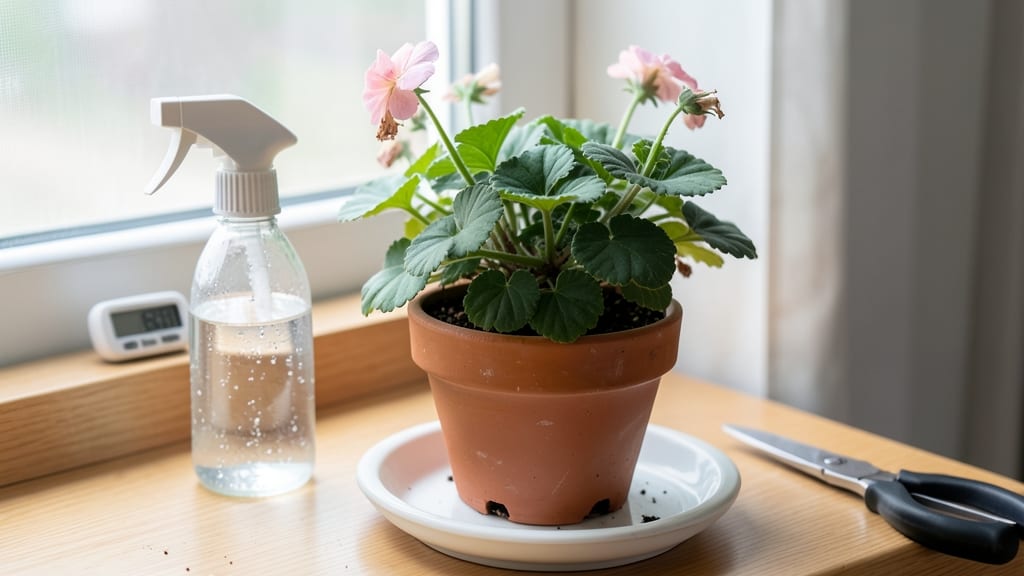
Winterizing geraniums indoors lets you enjoy their blooms all year—no green thumb required. 🌿 I’ve brought mine through three winters now, and the secret isn’t complicated: prune, check for pests, and move them to bright light before the first frost hits.
The key is timing and a few simple adjustments that keep them thriving until spring.
You’ll need sharp pruners, a clean pot slightly larger than their current one, and a sunny spot near a south-facing window—or a grow light if natural light is weak. Geraniums hate damp roots, so pick a pot with drainage holes and use a well-draining potting mix.
Most people skip the pest check, but I’ve seen spider mites hitch a ride indoors, so give them a quick rinse before bringing them inside.
After pruning back leggy stems by a third and repotting, place them in their brightest spot and water only when the top inch of soil feels dry. You’ll notice new growth within 4-6 weeks, and with consistent light, they’ll reward you with blooms through winter.
The trick is patience—geraniums grow slower indoors, but they’ll bounce back stronger in spring.
This method works for all types of geraniums, from zonal to ivy varieties, and even saves you money by avoiding yearly replacements. Just avoid the urge to overwater, and you’ll have lush, blooming plants ready to go back outside next season. Let’s get started!
📚 In This Guide
- What you need
- Instructions
- Tips and common mistakes
- Wrapping up and next steps
What you need
- ● Healthy geranium plants: Choose vibrant, pest-free plants with no signs of disease (e.g., Pelargonium varieties). Aim for 3-6 plants depending on your space.
- ● Clean containers: Use 6-8 inch pots with drainage holes (terracotta or plastic). 1-2 pots per plant recommended.
- ● High-quality potting mix: A well-draining blend (e.g., 60% peat/coir, 30% perlite, 10% vermiculite). 1 bag (1.5–2 cubic feet) for 3-4 plants.
- ● Pruning shears or sharp scissors: Sterilized to avoid spreading disease. 1 pair.
- ● Aluminum foil or plastic wrap: For covering pots to prevent cold drafts. 1 roll.
- ● Grow lights or LED bulbs: Full-spectrum 10,000–15,000K bulbs (e.g., Samsung LM300) or fluorescent grow lights. 1–2 bulbs per plant or a 12–24 inch fixture.
- ● Humidity tray or pebble tray: To maintain moisture. 1 tray per 2–3 plants.
- ● Fertilizer: Balanced, low-nitrogen liquid fertilizer (e.g., 10-10-10 or 5-5-5). 1 bottle.
- ○ Spray bottle: For misting (optional but helpful for humidity). 1 bottle.
- ● Rooting hormone: To encourage stronger regrowth if propagating cuttings. 1 small tube.
- ● Thermometer/hygrometer: To monitor temperature (ideal: 60–70°F) and humidity (40–50%). 1 unit.
- ● Decorative pots or saucers: For aesthetic appeal once plants are established. 1 per plant.
- ● Insecticidal soap or neem oil: Preemptive pest control. 1 bottle.
- ● Plant labels: To track varieties and care notes. 1 pack.
Step-by-Step instructions for winterizing geraniums indoors
Here's the simple method I use every year—no fuss, no special tools, just healthy plants through winter.
🌿 Step 1: Prune and Inspect for Pests
Start by cutting back stems to 3-4 inches above the soil line using clean, sharp scissors. This encourages fresh growth in spring and removes any pest hiding spots. I always examine leaves for spider mites or aphids first—those little critters love geraniums. If you spot any, wipe leaves with a damp cloth or spray with neem oil before bringing them inside.
Check the soil too. If it smells sour or looks compacted, it's time to repot. Healthy roots should be firm and white, not mushy or brown. This is the moment that matters: a clean start prevents winter problems.
☀️ Step 2: Move to Bright, Cool Light
Geraniums need 6+ hours of bright light daily but can't handle direct winter sun that burns leaves. Place them near an east or west-facing window where they get gentle morning or afternoon light. South-facing windows work too, but keep them 2-3 feet back from the glass to avoid leaf scorch.
If your space is dim, supplement with a grow light on a timer for 12-14 hours daily. I use a simple LED bulb—no fancy equipment needed. Watch for leggy growth (long, weak stems) as your signal to move them closer to the light or add more hours.
💧 Step 3: Adjust Watering for Dormancy
Water only when the top inch of soil feels dry—about every 7-10 days in winter. Overwatering is the #1 killer of indoor geraniums. I like to stick my finger in the soil to check; if it's damp below the top inch, wait another day. Cold air dries soil slower, so you'll water less than in summer.
Reduce fertilizer too. Switch to a half-strength balanced formula every 6-8 weeks or use a slow-release pellet in the soil. This keeps roots active without encouraging weak, floppy growth. Yellow leaves usually mean too much water or fertilizer—cut back immediately.
⏰ Step 4: Monitor and Prevent Common Issues
Check plants weekly for white powdery spots (powdery mildew) or sticky residue (aphids). Increase airflow with a small fan on low setting if humidity feels high. I know it seems weird, but a gentle breeze mimics outdoor conditions and keeps pests away.
Rotate the pots a quarter turn weekly so all sides get even light. This prevents lopsided growth and keeps stems strong. If a stem grows leggy and bends toward the window, it's your cue to move it closer to the light source or add a grow light.
🌱 Step 5: Prep for Spring Growth
In late winter (around February), start fertilizing lightly again to wake up roots. I use a fish emulsion tea diluted to half strength—it's gentle but effective. Prune again if stems get too long, cutting just above a leaf node to encourage bushiness.
Watch for new growth at the tips of stems—this is your signal to increase watering slightly and move plants to a slightly warmer spot (around 60-65°F). By March or April, they'll be ready to go back outside after hardening off for a week or two.
Tips & tricks for perfect indoor geranium care
Keeping geraniums thriving indoors takes just a few smart adjustments—here's how to avoid the most common winter pitfalls.
The Pruning Secret: When you trim stems to 3-4 inches in Step 1, make your cuts just above a leaf node (the tiny bump where leaves grow). This hidden detail encourages bushier growth in spring rather than long, bare stems. I've learned the hard way that cutting too close to the base can leave plants vulnerable to rot, so always leave that small bump!
Light Swap Strategy: For those 6+ hours of bright light in Step 2, position your geraniums within 12 inches of the window if possible. I've found that south-facing windows work best, but if you're using east or west light, rotate the pots every few days so all sides get equal exposure. This prevents that classic "window-side" growth where plants lean dramatically toward the light.
Watering Wisdom: That "top inch dry" rule in Step 3 is your golden standard, but here's the trick: use a moisture meter or stick your finger in the soil up to your second knuckle. If it feels cool and damp that deep, hold off on watering. I've ruined more geraniums through overwatering than any other mistake—trust me, these plants would rather be thirsty than soggy!
Winter Pest Prevention: In Step 4, that weekly check for powdery mildew or aphids is non-negotiable, but here's an extra tip: spray leaves with a mix of water and a few drops of dish soap (1 tsp per quart) every other week as a preventive measure. The soap creates a protective barrier without harming the plants, and it's a trick I picked up from gardeners who've battled these pests for years.
Pro Tips for Winterize Geraniums Indoors
- Keeping geraniums thriving indoors takes just a few smart adjustments—here's how to avoid the most common winter pitfalls.
- The Pruning Secret: When you trim stems to 3-4 inches in Step 1, make your cuts just above a leaf node (the tiny bump where leaves grow).
- Light Swap Strategy: For those 6+ hours of bright light in Step 2, position your geraniums within 12 inches of the window if possible.
Frequently asked questions
Got questions about keeping your geraniums thriving indoors during winter? Here are some of the most common ones—and their answers!
When is the best time to bring geraniums indoors?
Start moving potted geraniums indoors before the first frost—typically late summer or early fall (around Labor Day in most zones). Watch for nighttime temps dropping below 50°F (10°C). If leaves yellow or blacken, it’s too late! Early action ensures healthier plants and smoother transitions.
Can I winterize geraniums without a sunny window?
Yes, but you’ll need to supplement light with grow lights (12–14 hours/day). South-facing windows are ideal, but if that’s not an option, a LED grow bulb (6,000–7,000K) works wonders. Avoid dim corners—geraniums need light to bloom!
How often should I water indoor geraniums in winter?
Water only when the top inch of soil is dry—usually every 1–2 weeks. Overwatering causes root rot, while underwatering stresses plants. Use well-draining pots and saucers to prevent soggy roots. Pro tip: Mist leaves occasionally to combat dry indoor air!
Why are my geraniums dropping leaves indoors?
Leaf drop is normal but can signal stress. Check for:
- Cold drafts (keep away from AC vents/windows).
- Too much direct sun (leaves scorch).
- Over/underwatering (sticky soil = root rot).
Will my geraniums bloom indoors in winter?
With proper light (12+ hours/day) and care, yes! Prune leggy stems in early spring to encourage bushier growth and more blooms. Deadhead faded flowers to redirect energy. Bonus: Indoor geraniums often bloom longer than outdoor ones!
Wrapping up and next steps
Winterizing your geraniums indoors is all about giving them the right care—bright light, proper pruning, and a cozy spot—to ensure they bounce back stronger than ever. With a little patience and these simple steps, you’ll be rewarded with vibrant blooms come spring! 🌸
Now that you’re ready, take the next step: grab your shears, find that sunny window, and give your geraniums the love they deserve. Happy winter gardening!